
Your zip code should never determine how long you live. It is a harsh reality, but for millions of Americans living in rural areas, geography is the single most difficult barrier to quality healthcare. When the nearest specialist is fifty miles away and you don’t have a reliable way to get there, that doctor might as well be on the moon.
At Swift Ryde, we see this every day. We know that for many patients, a missed ride isn't just an inconvenience. It is a missed chemotherapy session, a skipped dialysis appointment, or a delayed physical therapy evaluation. In remote areas, transportation isn't a "comfort" service: it is a fundamental necessity.
The numbers tell a staggering story. Between 2018 and 2021, access to intercity transportation in rural regions dropped from 89% to 85%. That might seem like a small dip on paper, but for the 21% of rural patients who routinely miss critical care, it represents a growing crisis. If you live in a remote area, getting a ride shouldn't feel like winning the lottery. It should be as reliable as the care you’re traveling to receive.
The High Cost of the "Empty Chair"
For many patients, the struggle to find a ride leads to a dangerous cycle of "no-shows." When a patient misses an appointment, the healthcare system loses money, but the patient loses something far more valuable: their health momentum. Chronic conditions don't take a day off just because your car won't start or the local bus doesn't run on Tuesdays.
In rural communities, the lack of transit options creates a massive bottleneck. Traditional rideshare apps often don't service remote dirt roads, and family members can't always take a full day off work to drive two hours each way. This is where rural healthcare access in 2025 becomes the defining challenge of modern medicine. We have the medical technology to save lives, but we often lack the wheels to get the patients to the technology.

Why Standard Rideshares Often Fail Rural Patients
It is a common mistake to think that a standard Uber or Lyft is the solution for remote medical transport. While these services are great for a quick trip to a downtown restaurant, they aren't designed for the complexities of Non-Emergency Medical Transportation (NEMT).
For many patients, a trip to the doctor requires more than just a backseat. It requires a driver who understands how to handle a walker, a vehicle that can accommodate a wheelchair, and a level of reliability that standard apps simply can't guarantee in low-density areas. If a driver cancels at the last minute in a city, you wait five minutes for another. In a rural area, a cancellation often means you aren't going to your appointment at all.
This is why we focus so heavily on medical transportation vs. rideshare. In remote areas, the safety and specialized training of an NEMT provider aren't just perks: they are the only way to ensure the patient actually arrives at the clinic door safely and on time.
Strategies for Reliable Rides in Remote Areas
If you or a loved one are struggling to find consistent transport in a remote area, you aren't out of options. Reliability can be built, even in the most isolated parts of the country. Here is how we approach the problem:
1. The Power of Recurring Bookings
For many patients, the biggest stressor is the "weekly scramble" to find a ride. If you have recurring appointments: like dialysis or wound care: booking one ride at a time is a recipe for disaster. Professional NEMT services allow for recurring schedules. This ensures that a vehicle is partitioned for you weeks in advance, taking the guesswork out of your calendar.
2. Real-Time Tracking and Confirmation
One of the biggest fears for rural riders is being left waiting on a porch, wondering if the ride is actually coming. Automated confirmation systems and real-time tracking are game-changers. Knowing exactly where your driver is eliminates the "no-show anxiety" that plagues rural healthcare. You should always look for a provider that offers real-time tracking features to guarantee you never miss a beat.
3. Mobility Management
In some communities, the answer lies in hiring a mobility manager. These are professionals who coordinate between various transit agencies, healthcare providers, and private NEMT companies like Swift Ryde. They streamline the dispatch process so that vehicles aren't sitting idle while patients are waiting.

Tapping Into Federal and Local Resources
Reliable transportation often exists; it’s just hidden behind a layer of bureaucracy. For many patients, the cost of long-distance transport is the primary hurdle. However, there are several programs designed specifically to bridge this gap:
- Section 5311 Grants: The Federal Transit Administration provides these grants specifically for rural areas with populations under 50,000. These funds help local agencies provide demand-response services: think "dial-a-ride": that can be a lifesaver for medical trips.
- Medicaid NEMT Coverage: If you are on Medicaid, you likely have a benefit that covers transportation to medical appointments. Many people don't realize that this can include long-distance trips to specialists if those services aren't available locally.
- Volunteer Driver Programs: In many rural counties, local senior centers or faith-based organizations run volunteer programs. While these are great, they often lack the specialized equipment (like wheelchair lifts) found in professional NEMT vehicles.
The Swift Ryde Difference: Reliability is the Mission
At Swift Ryde, we don't just see ourselves as a transportation company. We see ourselves as a healthcare partner. We know that if we don't show up, a patient's health regresses. That is why we invest so heavily in the technology and training required to service remote areas.
Reliability isn't just about having a car; it's about having a system. It's about the simple trick to improve your healthcare access that actually works when you're twenty miles from the nearest highway. We focus on "door-to-door" service, meaning our drivers don't just drop you at the curb; they ensure you are safely inside the clinic.
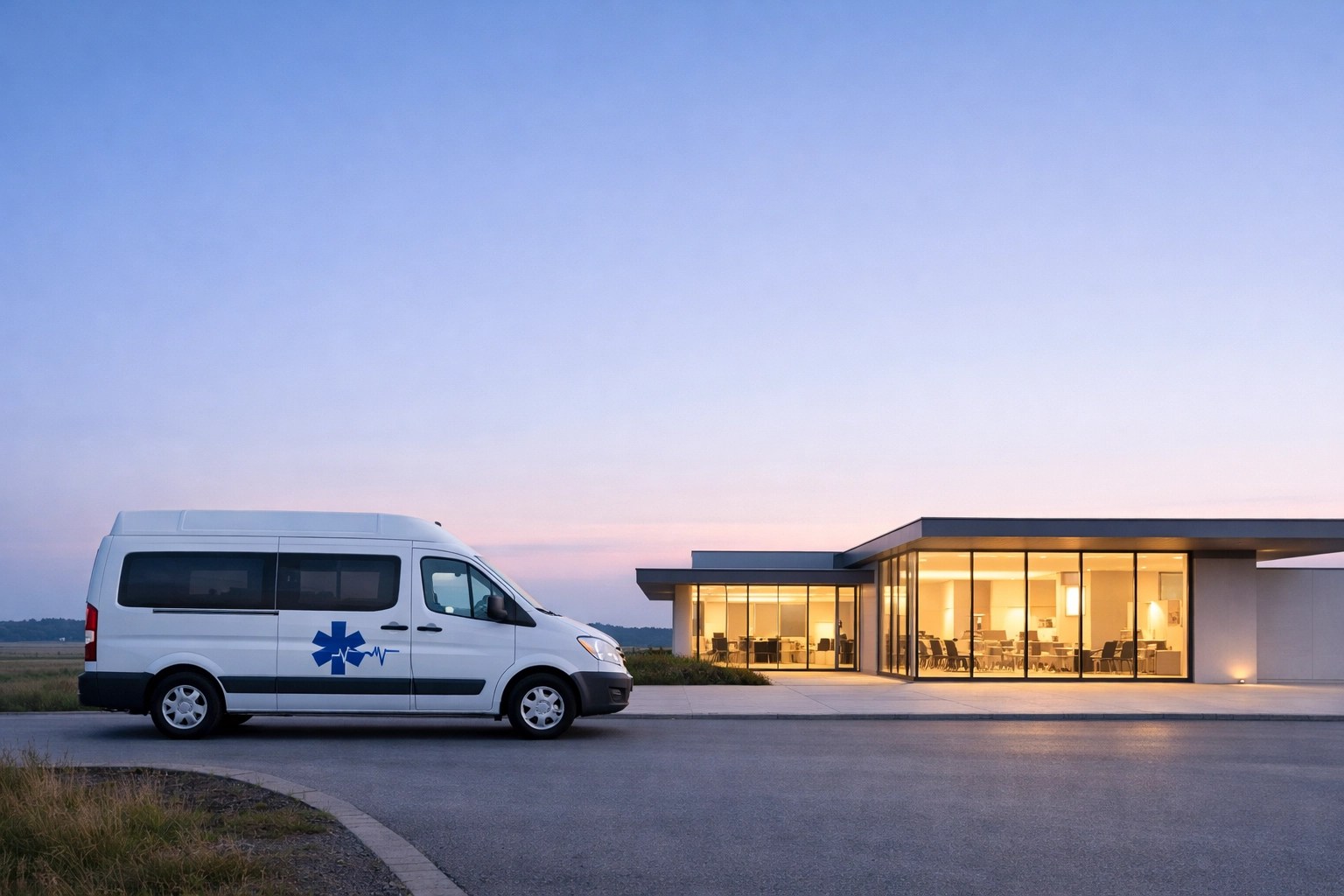
For Many Patients, the Road is the Medicine
It sounds strange, but for a rural resident, the ride to the clinic is just as important as the prescription they receive once they get there. Without the ride, the medicine never happens. We need to stop viewing transportation as a "logistic" and start viewing it as a "clinical intervention."
For many patients, the stress of the journey is enough to make them give up on seeking care altogether. By providing reliable, friendly, and professional transport, we remove that mental and physical burden. We make it possible for people to grow old in the homes they love, in the rural communities they've built, without sacrificing their health.
Taking the Next Step
If you are a caregiver or a patient in a remote area, don't wait for a crisis to look for transportation. Start researching your options today.
- Contact your county health department to ask about NEMT providers.
- Check if your insurance or Medicaid plan covers specialized transport.
- Look for providers that offer door-to-door medical rides rather than just curb-to-curb.
Rural living shouldn't be a health risk. With the right partnerships and a focus on reliability, we can close the gap between remote homes and essential care. At Swift Ryde, we are committed to making sure that no matter how far you live, your health is always within reach.
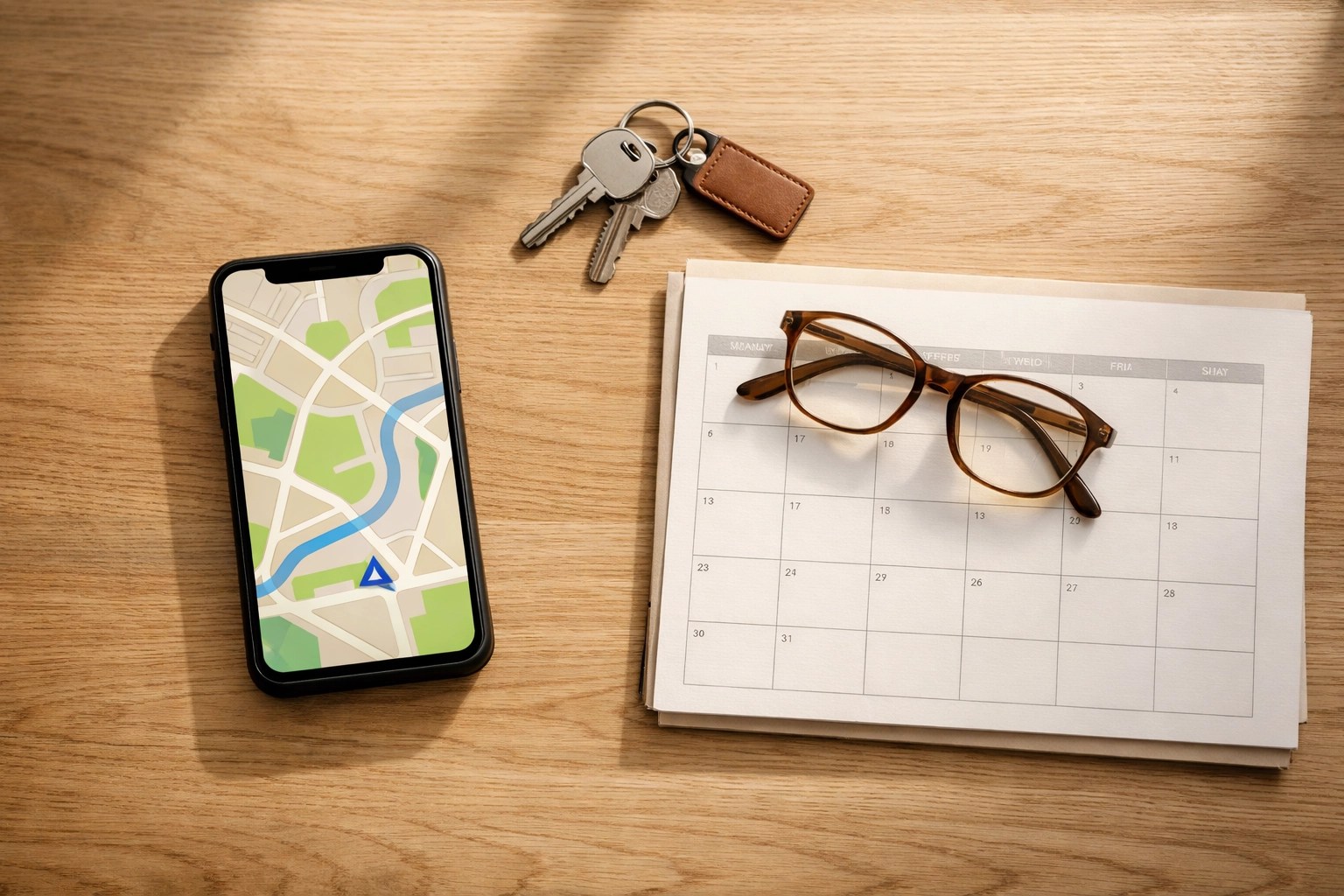
The road to recovery starts with a reliable ride. Whether you're heading to a routine checkup or a life-saving treatment, you deserve a transportation partner that values your health as much as you do. Let's make sure the distance is never the reason a patient stays home.