
For many patients living in rural America, getting to a doctor shouldn’t be a luxury. Yet in 2025, nearly one in five Americans: approximately 61 million people: face barriers to healthcare access that urban residents never encounter. The statistics paint a stark picture: rural patients miss critical appointments, delay emergency care, and often go without specialized treatment simply because they can’t reliably get there.
The gap isn’t closing. If anything, it’s widening.
The Numbers Don’t Lie: Rural Healthcare Is in Crisis
Rural America faces a healthcare access emergency that most people don’t see coming. Nearly 20% of Americans live in rural areas, but these communities have 40% fewer physicians per capita compared to urban regions. That means rural areas have approximately 30 physicians per 100,000 people while urban areas have 263.
For many patients, this translates into something much more personal than statistics: it means traveling more than 30 miles just to see a doctor. It means waiting weeks for specialist appointments that urban patients can book within days. It means making impossible choices between work, family responsibilities, and medical care.
The ripple effects are measurable and devastating. Rural adults use emergency departments at higher rates than urban residents: 16% compared to 13%: and 5% of rural adults end up in the ER for non-urgent care compared to 4% of urban adults. These aren’t preference-based decisions. They’re desperate responses to a broken system.

When Hospitals Disappear, Patients Suffer
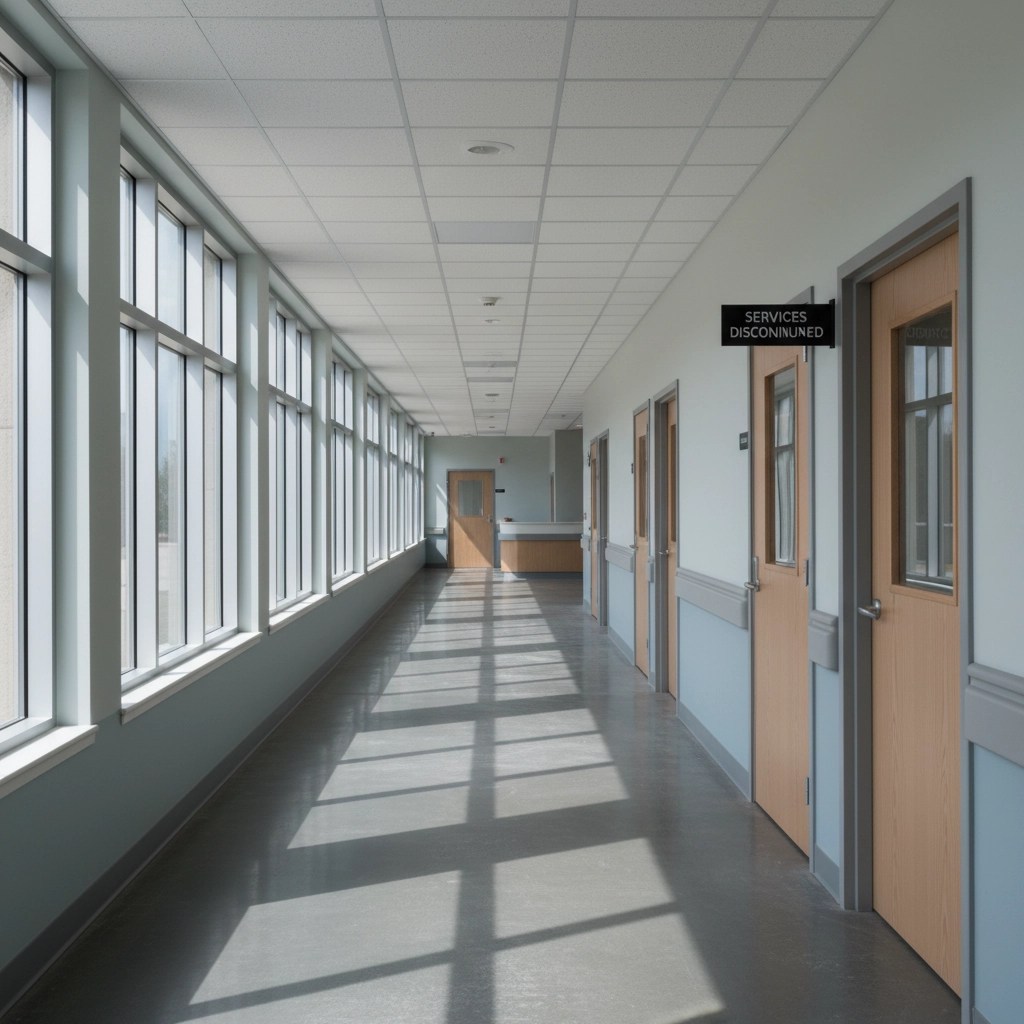
Between 2010 and 2020, nearly 120 rural hospitals closed their doors permanently. Each closure doesn’t just eliminate jobs: it creates healthcare deserts where patients must travel even further for basic medical services.
For many patients with chronic conditions like diabetes or heart disease, these closures mean the difference between manageable care and medical emergencies. Rural populations already experience disproportionately high rates of chronic health conditions, partly due to limited access to preventive care and healthy food options.
The financial reality behind these closures is sobering. Medicaid supports an estimated 40% of rural hospital revenue, but Medicaid reimbursement rates typically fall far below private insurance rates. In the 10 states that haven’t expanded Medicaid under the Affordable Care Act, 53% of rural hospitals currently operate at a loss.
As of September 2024, 66.33% of Primary Care Health Professional Shortage Areas were located in rural communities. This isn’t just about numbers on a map: it’s about real people who can’t access the care they need when they need it.
The Infrastructure Gap That Technology Can’t Fix Alone
Telehealth promised to bridge the rural healthcare gap, but infrastructure limitations have prevented this solution from reaching its potential. Only 60% of rural households have reliable internet access adequate for telemedicine visits.
For many patients, this digital divide compounds existing barriers. Even when rural healthcare providers offer virtual consultations, patients often lack the technology or connectivity to participate effectively. The result is a two-tiered system where geography determines not just the quality of care, but access to innovative care delivery methods.
Transportation: The Hidden Barrier to Healthcare Access
Here’s what most healthcare access discussions miss: transportation is often the single most difficult barrier rural patients face. Unlike urban areas with public transit systems, rural communities typically offer limited or no public transportation options.
For many patients, especially elderly residents managing multiple chronic conditions, transportation challenges create cascading problems. Missing one specialist appointment can delay treatment plans for months. Skipping follow-up visits leads to unmanaged conditions that eventually require emergency intervention.
Rural patients shouldn’t have to choose between reliable transportation and quality healthcare. The solution isn’t more hospitals in every small town: it’s ensuring patients can reliably reach the care they need, when they need it.
The Solution That Actually Works: Reliable Medical Transportation
The most effective intervention for rural healthcare access isn’t building new hospitals or recruiting more physicians to remote areas. It’s solving the transportation problem that prevents patients from accessing existing care.
Professional medical transportation services designed specifically for rural communities can eliminate the geographic barriers that force patients to delay or skip critical appointments. Unlike traditional taxi services or rideshare apps that often don’t serve rural areas reliably, specialized medical transport providers understand the unique needs of healthcare access.

For many patients, reliable medical transportation means:
- Never missing dialysis appointments due to unreliable rides
- Accessing specialist care without burdening family members
- Getting to physical therapy sessions consistently for optimal recovery
- Maintaining chemotherapy schedules without interruption
- Reaching emergency care quickly during medical crises
What Rural Patients Need Right Now
The healthcare access crisis in rural America requires immediate, practical solutions. Rural patients need transportation services that understand medical scheduling, accommodate mobility equipment, and operate reliably in areas where other transport options fail.
Professional medical transportation should never be considered a luxury service. For rural communities, it’s essential healthcare infrastructure: as critical as ambulances, but focused on preventing emergencies rather than responding to them.
Effective medical transport services for rural areas must offer:
- Predictable scheduling that accommodates medical appointment timing
- Professional drivers trained in assisting patients with mobility challenges
- Vehicle accessibility for wheelchairs and medical equipment
- Coverage areas that extend beyond urban centers
- Insurance coordination to reduce out-of-pocket costs for patients

The Ripple Effect of Reliable Access
When rural patients can consistently access healthcare appointments, the benefits extend far beyond individual health outcomes. Healthcare facilities operate more efficiently with fewer no-shows and cancellations. Emergency departments see reduced volume from preventable urgent visits. Specialist providers can maintain consistent treatment plans rather than constantly adjusting for missed appointments.
For many patients, reliable medical transportation transforms healthcare from a series of obstacles into a manageable part of life. Chronic conditions become controllable rather than life-threatening. Preventive care becomes routine rather than delayed until crisis points.
Moving Forward: Solutions That Scale
Rural healthcare access won’t improve through wishful thinking or incremental changes. It requires recognizing that transportation is fundamental healthcare infrastructure and investing accordingly.
The 61 million Americans living in rural areas deserve healthcare access that doesn’t depend on their ability to drive long distances or navigate complex transportation arrangements. They deserve services designed around their needs, not urban assumptions about mobility and access.
Professional medical transportation services represent the most immediately actionable solution to rural healthcare access barriers. While policy changes and infrastructure investments continue to develop, patients need reliable rides to their appointments starting today.
The statistics about rural healthcare access are alarming, but they’re not permanent. With targeted solutions that address the real barriers patients face: starting with transportation: rural communities can achieve healthcare access that matches the quality available in urban areas.
For many patients, the difference between missing critical care and receiving life-saving treatment comes down to a reliable ride. That’s a problem we can solve right now.