
Transportation isn’t a comfort: it’s the single most difficult barrier standing between millions of Americans and their healthcare. Right now, 21% of adults without personal vehicles are skipping essential medical care because they simply can’t get there. This isn’t just a statistic. It’s a crisis hiding in plain sight.
Healthcare leaders across the country are finally waking up to what patients have known for years: you can have the best doctors, the most advanced treatments, and comprehensive insurance coverage, but none of it matters if you can’t physically get to your appointment.
The Real Cost of Missed Appointments
For many patients, missing one appointment sets off a chain reaction that destroys months of progress. That quarterly diabetes check becomes a hospital emergency. The routine cancer screening turns into a late-stage diagnosis. The physical therapy session that could have prevented surgery gets replaced by an operating room visit.
Healthcare systems are hemorrhaging money because of transportation barriers. When patients can’t maintain consistent care, their conditions worsen. Simple problems become complex. Outpatient treatments become inpatient stays. Prevention becomes crisis management.
The financial impact is staggering, but the human cost is immeasurable. Patients lose confidence in their ability to manage their health. Families watch loved ones deteriorate because reliable transportation feels impossible to arrange. Caregivers burn out trying to coordinate rides while managing full-time jobs and other responsibilities.

Why Medical Transportation Suddenly Matters
The conversation around reliable medical rides has exploded because healthcare providers finally understand a fundamental truth: transportation is healthcare infrastructure. You wouldn’t expect patients to perform their own surgery, so why would you expect them to solve complex transportation challenges while managing serious medical conditions?
For many patients with chronic conditions, getting to appointments isn’t a one-time problem. Dialysis patients need transportation three times per week. Cancer patients require rides to chemotherapy sessions that leave them unable to drive home. Seniors managing multiple conditions need reliable access to specialists, labs, and follow-up appointments.
Traditional solutions have failed these patients. Public transportation doesn’t accommodate wheelchairs or medical equipment. Rideshare services cancel when they realize the destination is a medical facility. Family members can’t maintain work schedules while providing constant transportation support.
The emergence of specialized medical transportation services represents the first real solution to this systemic problem. These services understand that medical rides require more than just getting from point A to point B.
What Makes Medical Transportation Different
Professional medical transportation providers train their drivers to work with patients who have mobility challenges, medical equipment, and specific timing requirements. They understand that a patient recovering from surgery moves differently than someone headed to a business meeting.
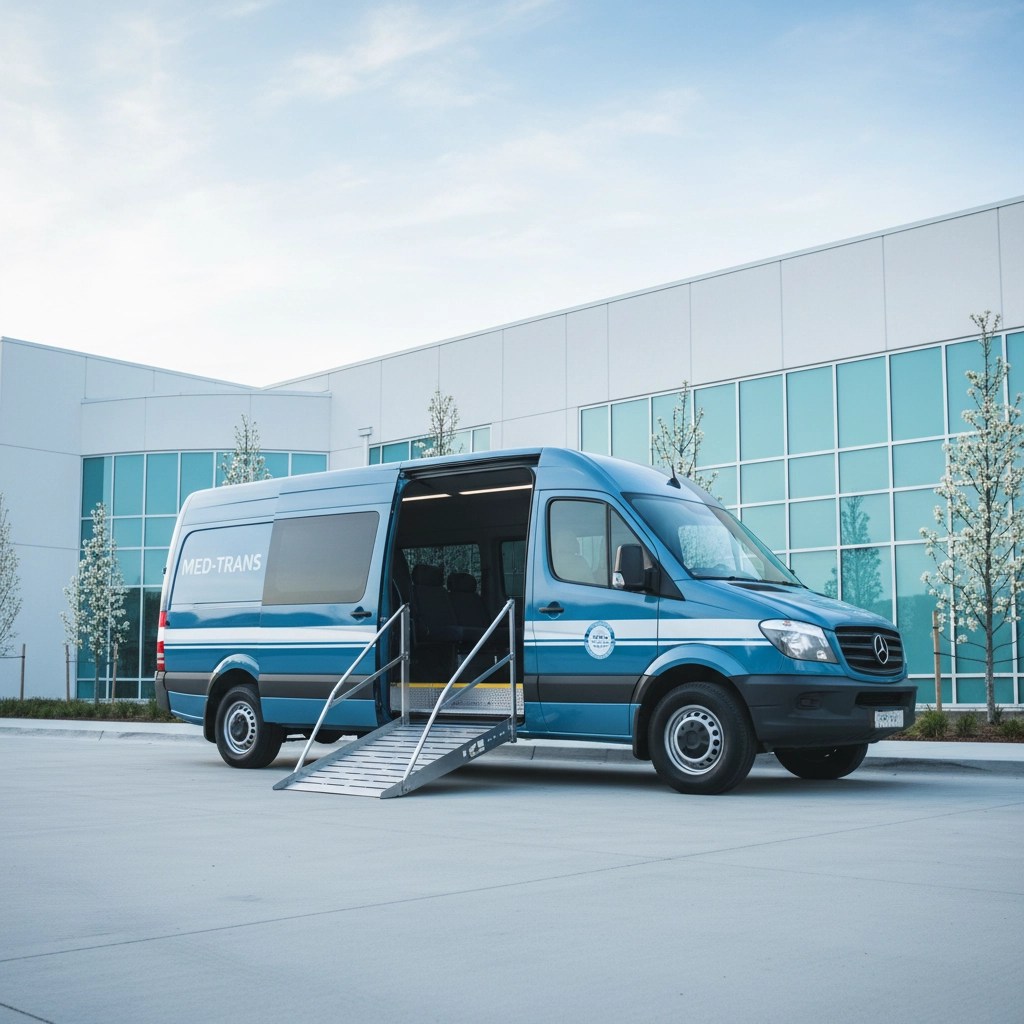
These services coordinate with healthcare facilities to ensure on-time arrivals for critical appointments. They maintain vehicles equipped to handle wheelchairs, walkers, and other mobility aids. Most importantly, they treat transportation as an essential healthcare service, not a convenience.
For many patients, working with a reliable medical transportation service eliminates the stress and uncertainty that comes with depending on family members or unreliable alternatives. Patients can schedule recurring rides for ongoing treatments, book same-day transportation for urgent appointments, and trust that their driver will arrive on time, every time.
The Independence Factor
One of the strongest drivers behind the medical transportation conversation is the desire for independence. Seniors who can no longer drive safely don’t want to become burdens on their adult children. Individuals with disabilities want to maintain control over their healthcare schedules.
Reliable medical transportation restores that independence. Patients can attend appointments without coordinating complicated family logistics. They can schedule follow-up visits based on their medical needs, not their transportation limitations. They can maintain their dignity while accessing the care they need.
For many patients, professional medical transportation represents the difference between staying in their homes and moving to assisted living facilities. When reliable transportation removes barriers to healthcare access, patients can manage their conditions effectively and maintain their independence longer.
Why Healthcare Providers Are Taking Notice
Medical practices are discovering that transportation barriers directly impact their operational efficiency. When patients miss appointments due to transportation issues, providers lose revenue and struggle to maintain consistent care protocols.
Healthcare systems that partner with reliable medical transportation services see immediate improvements in appointment adherence. Patients arrive on time, follow through with treatment plans, and maintain better long-term health outcomes. The result is more efficient resource utilization and better patient satisfaction scores.
Some forward-thinking healthcare organizations are now incorporating transportation services into their patient care models. They recognize that addressing transportation barriers is just as important as addressing medical barriers.

The Family Relief Factor
The stress of coordinating medical transportation extends far beyond the patient. Family members often sacrifice work opportunities, personal time, and their own healthcare needs to provide transportation support for loved ones.
Professional medical transportation services eliminate this burden. Adult children can maintain their careers while ensuring their parents receive consistent healthcare. Spouses managing their own health conditions don’t have to choose between their care and their partner’s appointments.
For many families, reliable medical transportation services provide peace of mind that goes beyond logistics. They know their loved one will receive professional, compassionate transportation support even when family members aren’t available.
The Technology Advantage
Modern medical transportation services leverage technology to provide levels of reliability that weren’t possible in the past. Online booking systems allow patients to schedule rides in advance, modify appointments as needed, and receive real-time updates about their transportation.
GPS tracking ensures precise arrival times. Automated reminders help patients prepare for their appointments. Digital payment systems work with Medicaid and insurance providers to streamline the billing process.
These technological improvements transform medical transportation from an unreliable inconvenience into a professional healthcare support service that patients can depend on consistently.
Making the Case for Quality
Not all medical transportation services deliver the same level of reliability and professionalism. The difference between a quality provider and a basic service can determine whether a patient maintains their treatment schedule or falls behind on their healthcare goals.
Quality medical transportation providers maintain clean, comfortable vehicles equipped for various mobility needs. Their drivers receive training in patient assistance and customer service. They coordinate with healthcare facilities to ensure smooth drop-offs and pickups.
Most importantly, quality providers understand that reliability isn’t negotiable when it comes to medical appointments. They maintain backup systems, monitor weather and traffic conditions, and treat every ride as a critical healthcare service.

Why You Should Join the Conversation
Whether you’re managing your own health conditions, supporting a family member’s healthcare needs, or working in the healthcare industry, transportation barriers affect you directly or indirectly. The growing conversation around reliable medical rides represents an opportunity to solve a problem that touches millions of lives.
For patients, understanding the options available for medical transportation means taking control of your healthcare access. For family members, exploring professional transportation services means reducing stress and maintaining your own well-being while supporting your loved ones.
For healthcare providers, partnering with reliable transportation services means improving patient outcomes and operational efficiency. For communities, investing in medical transportation infrastructure means building a healthcare system that works for everyone.
The reason everyone is talking about reliable medical rides is simple: they work. When transportation barriers disappear, patients can focus on getting better instead of figuring out how to get to their appointments. Healthcare systems can deliver better care. Families can maintain their stability while supporting their loved ones.
The Path Forward
The medical transportation conversation isn’t just about solving today’s problems: it’s about building a healthcare system that recognizes transportation as essential infrastructure. As more people understand the connection between reliable transportation and positive health outcomes, the demand for quality medical transportation services will continue growing.
For patients currently struggling with transportation barriers, the time to explore professional medical transportation services is now. For healthcare providers recognizing the impact of transportation on patient outcomes, partnerships with reliable transportation services represent smart investments in patient care.
The conversation around reliable medical rides has reached a tipping point because the solution finally matches the scale of the problem. When patients can depend on professional, reliable transportation to their medical appointments, everything else becomes possible.
That’s why everyone is talking about reliable medical rides. That’s why you should care. And that’s why the conversation is just getting started.
Transportation isn’t a comfort: it’s the single most difficult barrier standing between millions of Americans and their healthcare. Right now, 21% of adults without personal vehicles are skipping essential medical care because they simply can’t get there. This isn’t just a statistic. It’s a crisis hiding in plain sight.
Healthcare leaders across the country are finally waking up to what patients have known for years: you can have the best doctors, the most advanced treatments, and comprehensive insurance coverage, but none of it matters if you can’t physically get to your appointment.
The Real Cost of Missed Appointments
For many patients, missing one appointment sets off a chain reaction that destroys months of progress. That quarterly diabetes check becomes a hospital emergency. The routine cancer screening turns into a late-stage diagnosis. The physical therapy session that could have prevented surgery gets replaced by an operating room visit.
Healthcare systems are hemorrhaging money because of transportation barriers. When patients can’t maintain consistent care, their conditions worsen. Simple problems become complex. Outpatient treatments become inpatient stays. Prevention becomes crisis management.
The financial impact is staggering, but the human cost is immeasurable. Patients lose confidence in their ability to manage their health. Families watch loved ones deteriorate because reliable transportation feels impossible to arrange. Caregivers burn out trying to coordinate rides while managing full-time jobs and other responsibilities.
Why Medical Transportation Suddenly Matters
The conversation around reliable medical rides has exploded because healthcare providers finally understand a fundamental truth: transportation is healthcare infrastructure. You wouldn’t expect patients to perform their own surgery, so why would you expect them to solve complex transportation challenges while managing serious medical conditions?
For many patients with chronic conditions, getting to appointments isn’t a one-time problem. Dialysis patients need transportation three times per week. Cancer patients require rides to chemotherapy sessions that leave them unable to drive home. Seniors managing multiple conditions need reliable access to specialists, labs, and follow-up appointments.
Traditional solutions have failed these patients. Public transportation doesn’t accommodate wheelchairs or medical equipment. Rideshare services cancel when they realize the destination is a medical facility. Family members can’t maintain work schedules while providing constant transportation support.
The emergence of specialized medical transportation services represents the first real solution to this systemic problem. These services understand that medical rides require more than just getting from point A to point B.
What Makes Medical Transportation Different
Professional medical transportation providers train their drivers to work with patients who have mobility challenges, medical equipment, and specific timing requirements. They understand that a patient recovering from surgery moves differently than someone headed to a business meeting.
These services coordinate with healthcare facilities to ensure on-time arrivals for critical appointments. They maintain vehicles equipped to handle wheelchairs, walkers, and other mobility aids. Most importantly, they treat transportation as an essential healthcare service, not a convenience.
For many patients, working with a reliable medical transportation service eliminates the stress and uncertainty that comes with depending on family members or unreliable alternatives. Patients can schedule recurring rides for ongoing treatments, book same-day transportation for urgent appointments, and trust that their driver will arrive on time, every time.
The Independence Factor
One of the strongest drivers behind the medical transportation conversation is the desire for independence. Seniors who can no longer drive safely don’t want to become burdens on their adult children. Individuals with disabilities want to maintain control over their healthcare schedules.
Reliable medical transportation restores that independence. Patients can attend appointments without coordinating complicated family logistics. They can schedule follow-up visits based on their medical needs, not their transportation limitations. They can maintain their dignity while accessing the care they need.
For many patients, professional medical transportation represents the difference between staying in their homes and moving to assisted living facilities. When reliable transportation removes barriers to healthcare access, patients can manage their conditions effectively and maintain their independence longer.
Why Healthcare Providers Are Taking Notice
Medical practices are discovering that transportation barriers directly impact their operational efficiency. When patients miss appointments due to transportation issues, providers lose revenue and struggle to maintain consistent care protocols.
Healthcare systems that partner with reliable medical transportation services see immediate improvements in appointment adherence. Patients arrive on time, follow through with treatment plans, and maintain better long-term health outcomes. The result is more efficient resource utilization and better patient satisfaction scores.
Some forward-thinking healthcare organizations are now incorporating transportation services into their patient care models. They recognize that addressing transportation barriers is just as important as addressing medical barriers.
The Family Relief Factor
The stress of coordinating medical transportation extends far beyond the patient. Family members often sacrifice work opportunities, personal time, and their own healthcare needs to provide transportation support for loved ones.
Professional medical transportation services eliminate this burden. Adult children can maintain their careers while ensuring their parents receive consistent healthcare. Spouses managing their own health conditions don’t have to choose between their care and their partner’s appointments.
For many families, reliable medical transportation services provide peace of mind that goes beyond logistics. They know their loved one will receive professional, compassionate transportation support even when family members aren’t available.
The Technology Advantage
Modern medical transportation services leverage technology to provide levels of reliability that weren’t possible in the past. Online booking systems allow patients to schedule rides in advance, modify appointments as needed, and receive real-time updates about their transportation.
GPS tracking ensures precise arrival times. Automated reminders help patients prepare for their appointments. Digital payment systems work with Medicaid and insurance providers to streamline the billing process.
These technological improvements transform medical transportation from an unreliable inconvenience into a professional healthcare support service that patients can depend on consistently.
Making the Case for Quality
Not all medical transportation services deliver the same level of reliability and professionalism. The difference between a quality provider and a basic service can determine whether a patient maintains their treatment schedule or falls behind on their healthcare goals.
Quality medical transportation providers maintain clean, comfortable vehicles equipped for various mobility needs. Their drivers receive training in patient assistance and customer service. They coordinate with healthcare facilities to ensure smooth drop-offs and pickups.
Most importantly, quality providers understand that reliability isn’t negotiable when it comes to medical appointments. They maintain backup systems, monitor weather and traffic conditions, and treat every ride as a critical healthcare service.
Why You Should Join the Conversation
Whether you’re managing your own health conditions, supporting a family member’s healthcare needs, or working in the healthcare industry, transportation barriers affect you directly or indirectly. The growing conversation around reliable medical rides represents an opportunity to solve a problem that touches millions of lives.
For patients, understanding the options available for medical transportation means taking control of your healthcare access. For family members, exploring professional transportation services means reducing stress and maintaining your own well-being while supporting your loved ones.
For healthcare providers, partnering with reliable transportation services means improving patient outcomes and operational efficiency. For communities, investing in medical transportation infrastructure means building a healthcare system that works for everyone.
The reason everyone is talking about reliable medical rides is simple: they work. When transportation barriers disappear, patients can focus on getting better instead of figuring out how to get to their appointments. Healthcare systems can deliver better care. Families can maintain their stability while supporting their loved ones.
The Path Forward
The medical transportation conversation isn’t just about solving today’s problems: it’s about building a healthcare system that recognizes transportation as essential infrastructure. As more people understand the connection between reliable transportation and positive health outcomes, the demand for quality medical transportation services will continue growing.
For patients currently struggling with transportation barriers, the time to explore professional medical transportation services is now. For healthcare providers recognizing the impact of transportation on patient outcomes, partnerships with reliable transportation services represent smart investments in patient care.
The conversation around reliable medical rides has reached a tipping point because the solution finally matches the scale of the problem. When patients can depend on professional, reliable transportation to their medical appointments, everything else becomes possible.
That’s why everyone is talking about reliable medical rides. That’s why you should care. And that’s why the conversation is just getting started.