
Your elderly patient’s safety should never be compromised for convenience. While rideshare apps offer quick transportation solutions, they aren’t designed for the unique medical and mobility needs of elderly patients. The difference between specialized medical transportation and standard rideshare services can literally be a matter of life and death.
For many elderly patients, transportation to medical appointments represents the single most challenging barrier to receiving consistent healthcare. The choice between rideshare and Non-Emergency Medical Transportation (NEMT) services isn’t just about cost or convenience: it’s about ensuring patients arrive safely, comfortably, and ready for their medical care.
The Hidden Risks of Rideshare for Elderly Patients
Rideshare services like Uber and Lyft were built for healthy, mobile passengers who can navigate independently. For elderly patients with medical conditions, mobility limitations, or cognitive concerns, rideshare presents serious safety gaps that most people never consider.
The most critical issue is the complete lack of medical training among rideshare drivers. These drivers receive no instruction on how to assist patients with medical equipment, recognize signs of medical distress, or respond to emergencies during transport. When an elderly patient experiences chest pain, difficulty breathing, or sudden confusion during a ride, the rideshare driver has no medical knowledge to assess the situation or provide appropriate assistance.

Rideshare drivers operate alone, which creates a fundamental safety problem. A single person cannot safely drive while simultaneously monitoring an elderly patient who may need assistance or medical attention. For patients with conditions like diabetes, heart disease, or dementia, this lack of dedicated patient supervision during transport represents an unacceptable risk.
The unpredictability of rideshare services compounds these safety concerns. Patients don’t know which driver will arrive until minutes before pickup, eliminating the opportunity to establish rapport or communicate specific medical needs in advance. Background checks vary significantly across rideshare platforms and aren’t held to the same standards required for medical transportation providers.
Vehicle accessibility poses another major barrier. Standard rideshare vehicles lack wheelchair ramps, medical equipment storage, or specialized seating arrangements needed by many elderly patients. For patients who use wheelchairs, walkers, or oxygen tanks, rideshare simply isn’t a viable transportation option.
Why NEMT Services Prioritize Patient Safety
Non-Emergency Medical Transportation services were specifically designed to address every safety concern that rideshare services cannot handle. NEMT providers operate under strict regulatory oversight and must meet comprehensive safety standards that rideshare companies simply don’t face.
NEMT drivers complete extensive medical training programs, including CPR certification, bloodborne pathogen training, and specialized instruction on assisting patients with various medical conditions and mobility devices. This training ensures that drivers can recognize medical emergencies, provide appropriate assistance, and make informed decisions about when to redirect to an emergency room instead of continuing to a scheduled appointment.
The staffing model makes all the difference for patient safety. NEMT services typically provide two-person crews: one driver focused on safe navigation and one medical attendant dedicated to patient monitoring and care. This dual-staffing approach ensures that elderly patients receive continuous attention throughout their journey while maintaining the highest standards of driving safety.
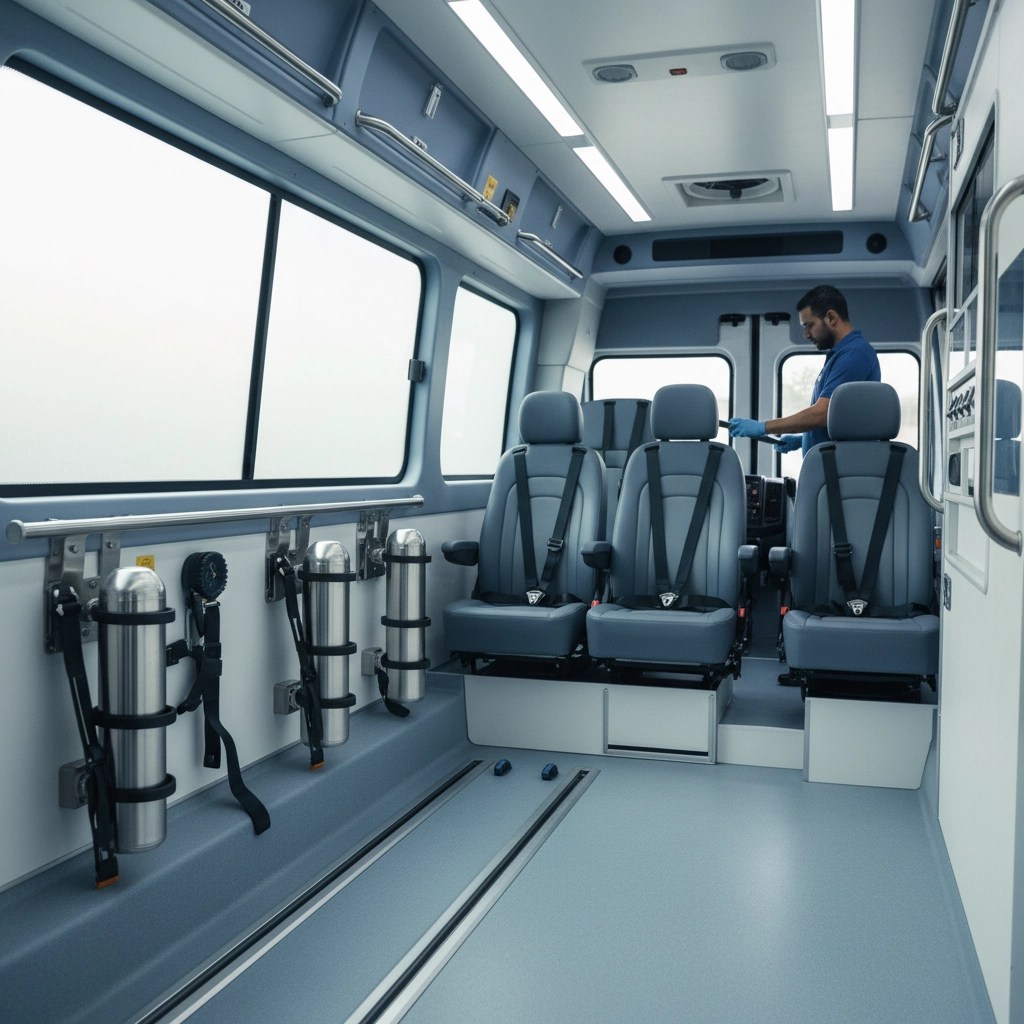
NEMT vehicles come equipped with specialized medical equipment that can be life-saving during transport. Oxygen tanks, defibrillators, wheelchairs, stretchers, and emergency medications are standard equipment in NEMT vehicles. For elderly patients with chronic conditions, having this medical equipment readily available during transport provides crucial safety backup.
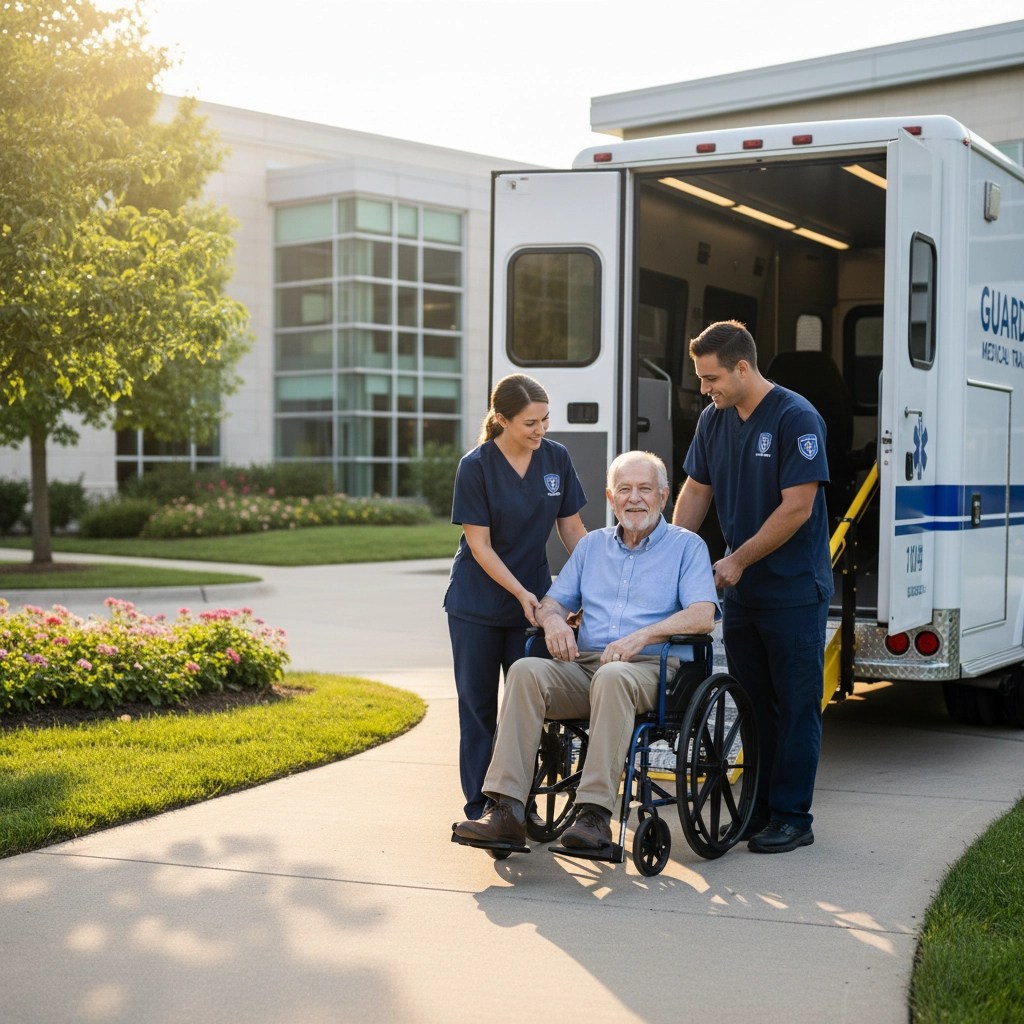
Vehicle accessibility features in NEMT services eliminate physical barriers that make rideshare impossible for many elderly patients. Wheelchair lifts, ramps, specialized seating, and securement systems ensure that patients with mobility limitations can travel safely and comfortably. These features aren’t optional extras: they’re fundamental safety requirements built into every NEMT vehicle.
Driver reliability represents another critical safety advantage. NEMT services assign specific drivers to patients, allowing for relationship building and familiarity with individual medical needs. Drivers learn about patients’ conditions, medications, preferred assistance methods, and family contacts, creating a personalized safety net that rideshare cannot match.
Insurance Coverage Makes NEMT Accessible
For many elderly patients, NEMT services cost nothing out-of-pocket. Medicare, Medicaid, and many private insurance plans provide full coverage for medically necessary transportation, recognizing that reliable access to healthcare is essential for managing chronic conditions and preventing expensive emergency interventions.
This insurance coverage eliminates the cost uncertainty that comes with rideshare surge pricing. NEMT patients know their transportation costs upfront and don’t face surprise charges during high-demand periods. For elderly patients on fixed incomes, this financial predictability makes healthcare access more manageable and reduces the temptation to skip important medical appointments due to cost concerns.
When Each Transportation Option Makes Sense
NEMT services are the only appropriate choice for elderly patients with complex medical needs. If your loved one requires wheelchair assistance, uses medical equipment like oxygen or mobility devices, takes multiple medications, or has cognitive impairments like dementia, NEMT provides the specialized care and safety monitoring they need.
Patients traveling for specialized treatments like dialysis, chemotherapy, or post-surgical follow-ups should always use NEMT services. These treatments often leave patients feeling weak, disoriented, or requiring medical monitoring during transport home.
Rideshare may be appropriate in very limited circumstances for elderly patients who are generally healthy, fully mobile, and traveling for routine appointments where no complications are anticipated. Even in these cases, patients should have emergency contacts readily available and clear instructions for the driver about their destination and any special needs.
For elderly patients who choose rideshare occasionally, family members should coordinate the ride, communicate with the driver about the patient’s needs, and have backup transportation plans ready if complications arise.
What to Look for in Quality NEMT Services
Not all NEMT providers offer the same level of safety and service quality. When evaluating NEMT options for elderly patients, prioritize providers that offer comprehensive driver training, proper vehicle equipment, and clear emergency protocols.
Look for NEMT services that provide real-time tracking and communication updates, allowing family members to monitor their loved one’s journey and receive notifications about pickup times, route progress, and safe arrival at destinations. This transparency provides peace of mind and enables quick response if unexpected delays or issues arise.
Verify that NEMT providers carry appropriate insurance coverage and maintain proper licensing and certification requirements. Quality providers will readily share information about their safety protocols, staff qualifications, and vehicle maintenance standards.
Making the Right Choice for Your Loved One
The safety difference between NEMT and rideshare services isn’t marginal: it’s fundamental. For elderly patients with medical conditions, mobility limitations, or cognitive concerns, specialized medical transportation provides essential safety features that rideshare simply cannot offer.
While rideshare services have revolutionized transportation for healthy, mobile passengers, they weren’t designed to handle the complex needs of elderly patients requiring medical care. The lack of medical training, specialized equipment, and dedicated patient monitoring creates unnecessary risks that can be easily avoided by choosing appropriate NEMT services.
For families making transportation decisions for elderly loved ones, the choice should be clear: prioritize safety over convenience, and choose transportation options that were specifically designed to meet medical and mobility needs. Your loved one’s health and safety are too important to compromise for the sake of convenience or familiarity with rideshare apps.
When it comes to medical transportation for elderly patients, NEMT services provide the specialized care, safety protocols, and peace of mind that rideshare simply cannot match. Making this choice ensures that your loved ones receive the safe, reliable transportation they need to maintain their health and independence.