
Distance should never be a death sentence. Your zip code should never determine the quality of your healthcare, yet for millions of Americans living outside major city centers, the road to the doctor is the single most difficult barrier to staying healthy. Reliability isn't a comfort: it's a requirement. When you live thirty miles from the nearest specialist, a "no-show" isn't just an inconvenience; it’s a missed treatment, a delayed diagnosis, and a direct threat to your well-being.
For many patients in remote areas, the struggle to find transportation that actually works feels like a second job. You call a service, you wait, and then you receive a cancellation text five minutes before your appointment. This isn't just bad service. It's a systemic failure that leaves the most vulnerable people stranded at the end of long gravel driveways.
At Swift Ryde, we believe that healthcare access starts at your front door, no matter how far that door is from the pavement. We’ve spent years navigating the unique challenges of rural Non-Emergency Medical Transportation (NEMT). Today, we’re revealing the "secrets" to securing a ride that actually shows up, even when you’re miles off the beaten path.
Why Standard Apps Stop Working Where the Pavement Ends
For many patients, the first instinct is to open a standard rideshare app. In a city, this works. In the country, it’s a gamble you usually lose. Standard rideshare models rely on a high density of drivers. When a driver sees a request for a pickup twenty miles away, the math doesn't work for them. They aren't paid for the "deadhead" miles: the distance they drive just to get to you.
The result? Your request sits in limbo while the clock ticks closer to your appointment time.
Professional NEMT is different because it is built on a foundation of scheduled reliability rather than "on-demand" luck. Understanding the difference between medical transport and rideshare is the first step in taking control of your healthcare access. In remote areas, you don’t need a driver who happens to be nearby; you need a partner who has committed to being there.
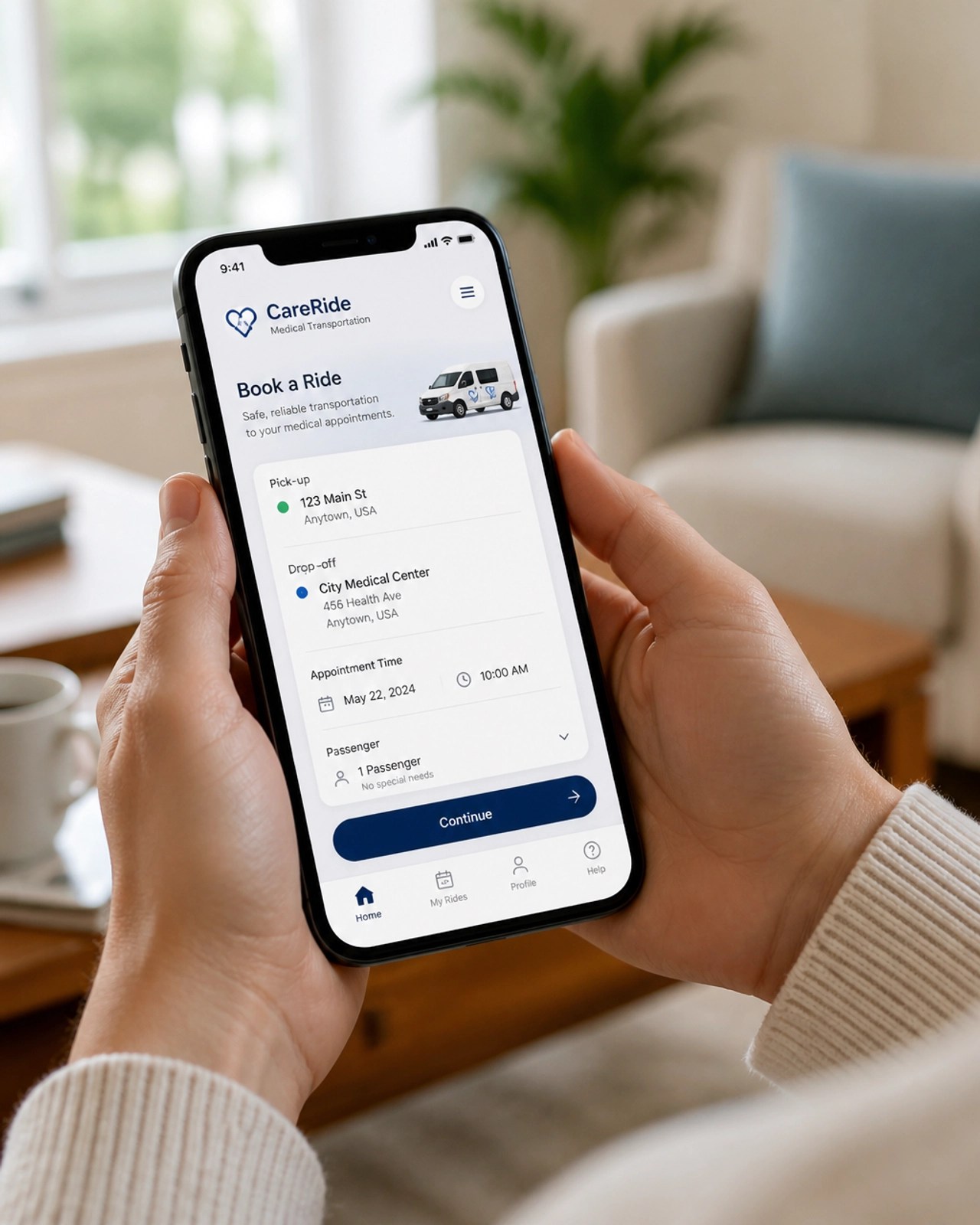
Secret #1: The Power of Booking by the Hour
The most common reason rides fail in remote areas is the "return trip" problem. A driver drops you off at a specialist's office and then leaves to find another fare. When your appointment is over, you’re stuck waiting hours for a new driver to make the long trek back out to find you.
The secret to solving this is booking medical rides by the hour.
When you book by the hour, that vehicle and that driver stay dedicated to you. They don’t leave the area. They don’t pick up other passengers. They are your mobile waiting room. For many patients with long or unpredictable specialist appointments, this is the only way to ensure they aren't left stranded at the clinic long after the lights have gone out. It turns a stressful day of logistics into a seamless, door-to-door experience.
Secret #2: Reliability Lives in the "Human-Centered" Details
In the city, a "curbside" pickup is the norm. In a rural setting, a curbside pickup is often impossible. If you have mobility challenges and live at the end of a steep or unpaved driveway, a driver who waits on the shoulder of the main road is useless to you.
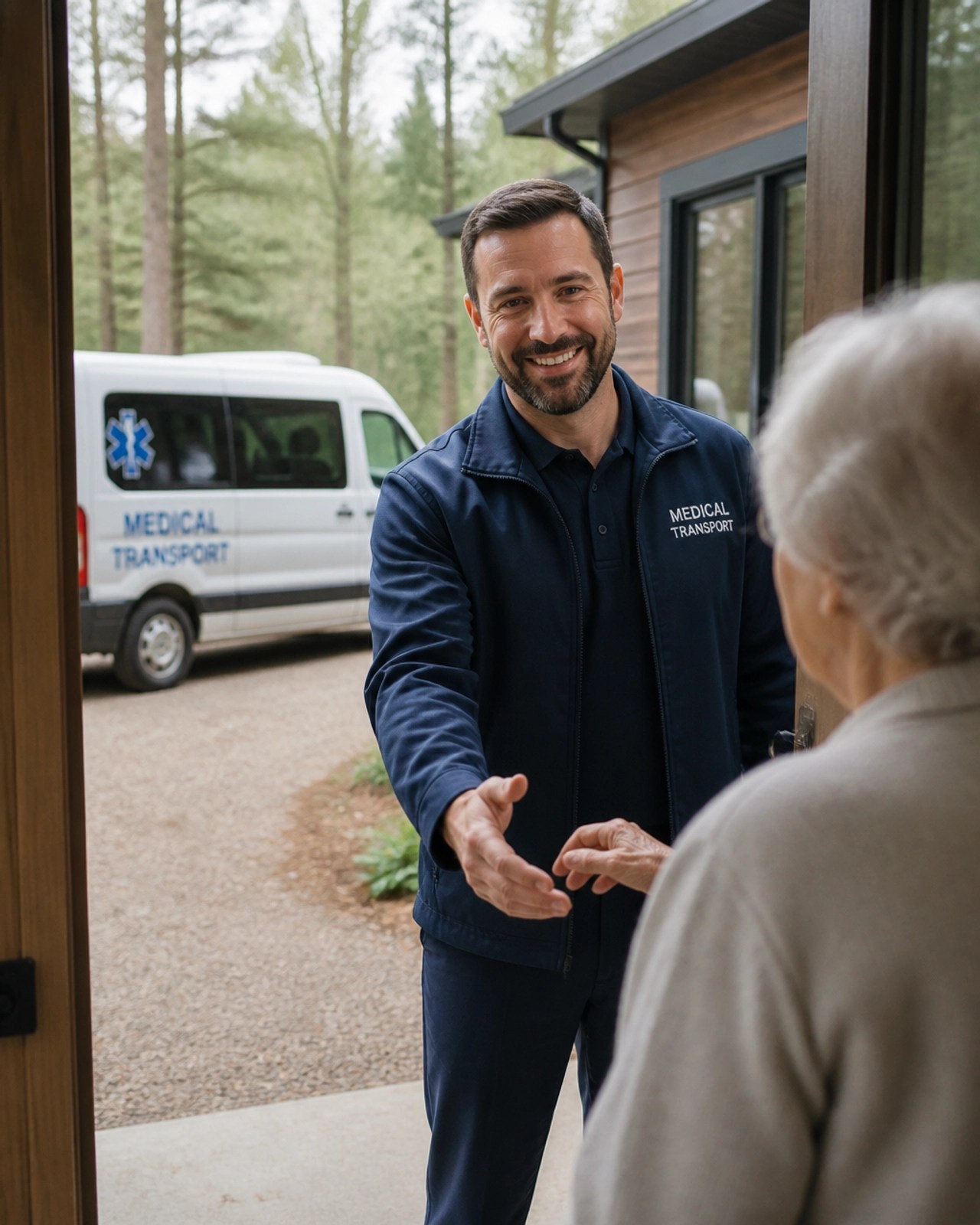
Reliability in remote areas requires a human-centered approach. This means door-to-door service where the driver actually gets out of the vehicle, walks to your door, and assists you safely into the van. For many patients, the physical act of getting to the car is the hardest part of the journey.
A service that prioritizes dignity will never ask you to "meet them at the corner." We understand that rural healthcare access matters, and that means providing a level of care that begins inside your home, not just on the street.
Secret #3: recurring Bookings are the Ultimate Safety Net
If you have a recurring medical need: like dialysis, physical therapy, or chemotherapy: manually booking a ride every few days is a recipe for a missed appointment. Life happens, phones get misplaced, and dates get confused.
The most successful rural patients use recurring bookings for their appointments. By setting a schedule once, you lock in your spot on a driver's route weeks or even months in advance. This allows the transportation provider to optimize their rural routes, ensuring they can reach the most remote locations efficiently. It moves you from a "request" to a "commitment."
Preparing for the Long Haul: A Remote Patient’s Checklist
When you live far from your healthcare provider, the stakes for every trip are higher. A forgotten ID or a missed medication can ruin a trip that took an hour to start. To ensure your ride goes perfectly, follow these preparation steps:
- Confirm the Terrain: When booking, tell the service if you have a gravel driveway, a gate code, or if your house is difficult to find via GPS.
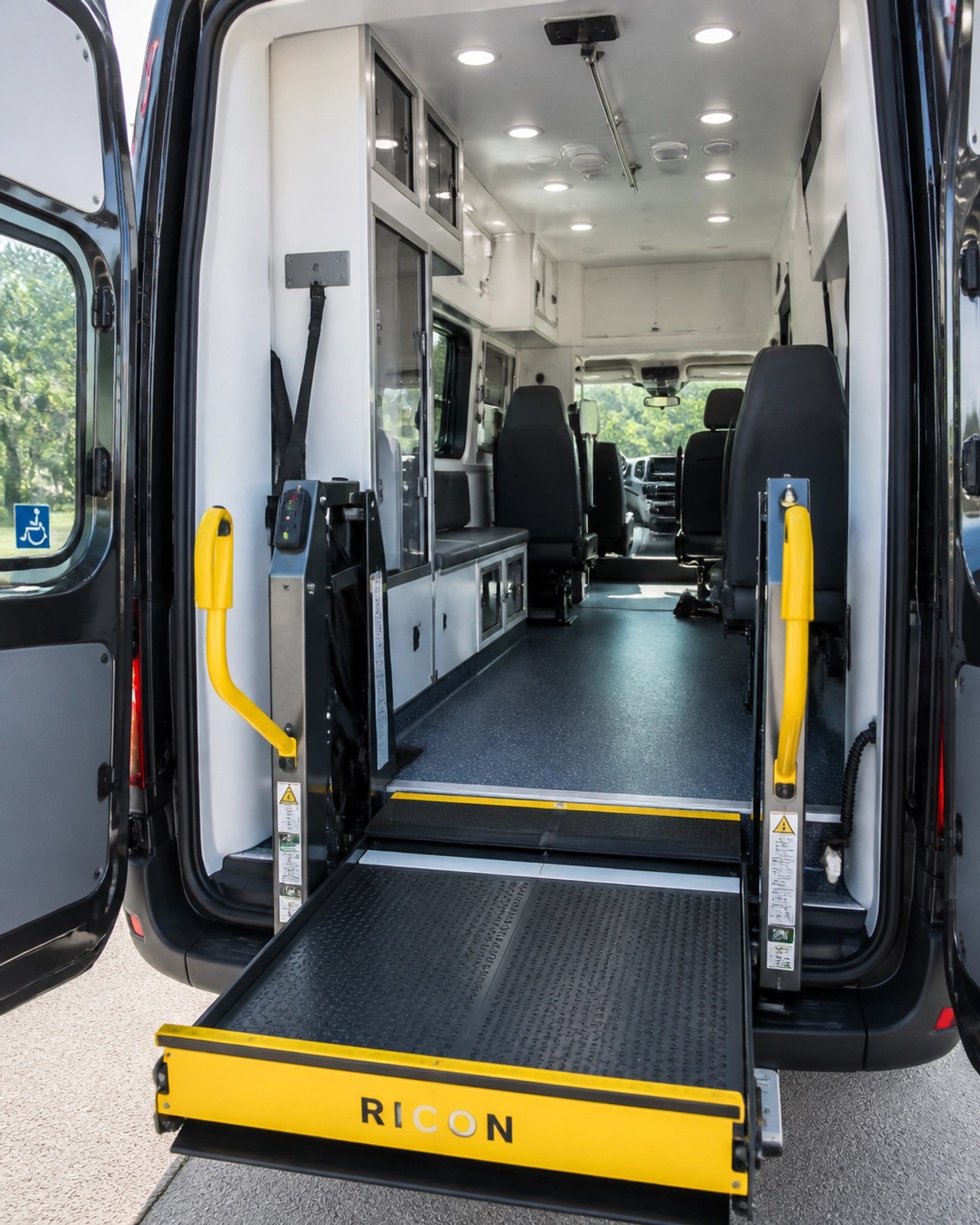
- Ready Your Gear: If you require a wheelchair, ensure your paths are clear. We offer specialized guidance on preparing for wheelchair-accessible rides to keep things moving smoothly.
- Communication is Key: Always provide a secondary contact number. In remote areas, cell service can be spotty. Having a backup number for a family member or neighbor ensures the driver can always reach someone if they hit a snag.
- Buffer Your Time: Rural travel is unpredictable. Plan to be ready 15 minutes early. In the world of NEMT, being early is being on time.
The Truth About "Deadhead" Miles and Why It Matters to You
Many traditional transportation companies avoid remote areas because they lose money on the drive to the patient. This is why you see so many cancellations in rural counties.
The secret to improving your healthcare access in remote areas is choosing a provider that specializes in rural logistics. At Swift Ryde, we don't see remote locations as a burden; we see them as our mission. We’ve built our flexible booking system to account for the unique geography of the areas we serve. We don't just look for the "closest" driver; we look for the most reliable route.
For many patients, knowing that a company actually wants to come to their area changes their entire outlook on their health. It removes the anxiety of wondering if today is the day the driver decides you're "too far away."
Reliability Isn’t a Luxury: It’s the Law of Survival
We have seen firsthand what happens when transportation barriers are removed. Patients who were once "non-compliant" with their treatments suddenly start showing up for every session. Health outcomes improve. Stress levels drop. Families breathe a sigh of relief.
Transportation should be a bridge, not a wall. Whether you are a patient managing a chronic condition or a caregiver trying to coordinate care for a loved one, you deserve a partner who respects the distance you have to travel.

For many patients, the journey to health is long, but it doesn't have to be lonely. By using specialized NEMT services, booking by the hour, and setting up recurring rides, you can finally reveal the "secret" to rural healthcare: a ride that actually shows up.
Stop settling for "maybe" and start booking with "certainty." Your health is worth the trip.