
Your zip code should never determine how long you live. For many patients living in the quiet corners of our country, the beauty of rural life comes with a hidden, dangerous cost: isolation from essential medical care. Distance shouldn't be a death sentence, yet for millions of Americans, the single most difficult barrier to staying healthy isn't the diagnosis itself: it's the sixty-mile stretch of road between their front porch and the doctor’s office.
At Swift Ryde, we believe that reliable transportation isn’t a luxury or a comfort; it is a fundamental necessity of modern medicine. If you can’t get to the clinic, the best doctors and the most advanced treatments in the world might as well not exist. This is the reality of the rural healthcare gap, and it’s a problem we are committed to solving one mile at a time.
The Hard Truth: Why Remote Access is Failing
For many patients, a simple check-up is an all-day expedition. When you live in a remote area, you don’t just "pop over" to the specialist. You plan, you calculate gas money, you check the weather, and you pray your old truck starts. But what happens when the truck doesn't start? Or when you’re too weak after a treatment to drive yourself back?
Public transportation is almost non-existent in these areas. Traditional rideshare apps often fail because drivers don't want to travel far outside of city centers for a single pickup. This leaves a massive "transportation desert" where the most vulnerable people are left stranded. We’ve seen the data, and it’s clear: 10 reasons your rural healthcare access isn't working and how to fix the transportation gap usually boil down to one thing: a lack of specialized, reliable infrastructure.
NEMT: The Reliable Lifeline You Didn’t Know You Had
If you’ve never heard of Non-Emergency Medical Transportation (NEMT), it’s time to get acquainted. NEMT is specifically designed to bridge the gap for people who have medical needs but don't require an ambulance. Unlike a taxi or an Uber, NEMT providers understand the stakes. They aren't just looking for the next fare; they are part of your healthcare team.
For many patients, NEMT is the difference between managing a chronic condition and ending up in the ER. Specialized transport services provide more than just a seat in a car. They offer:
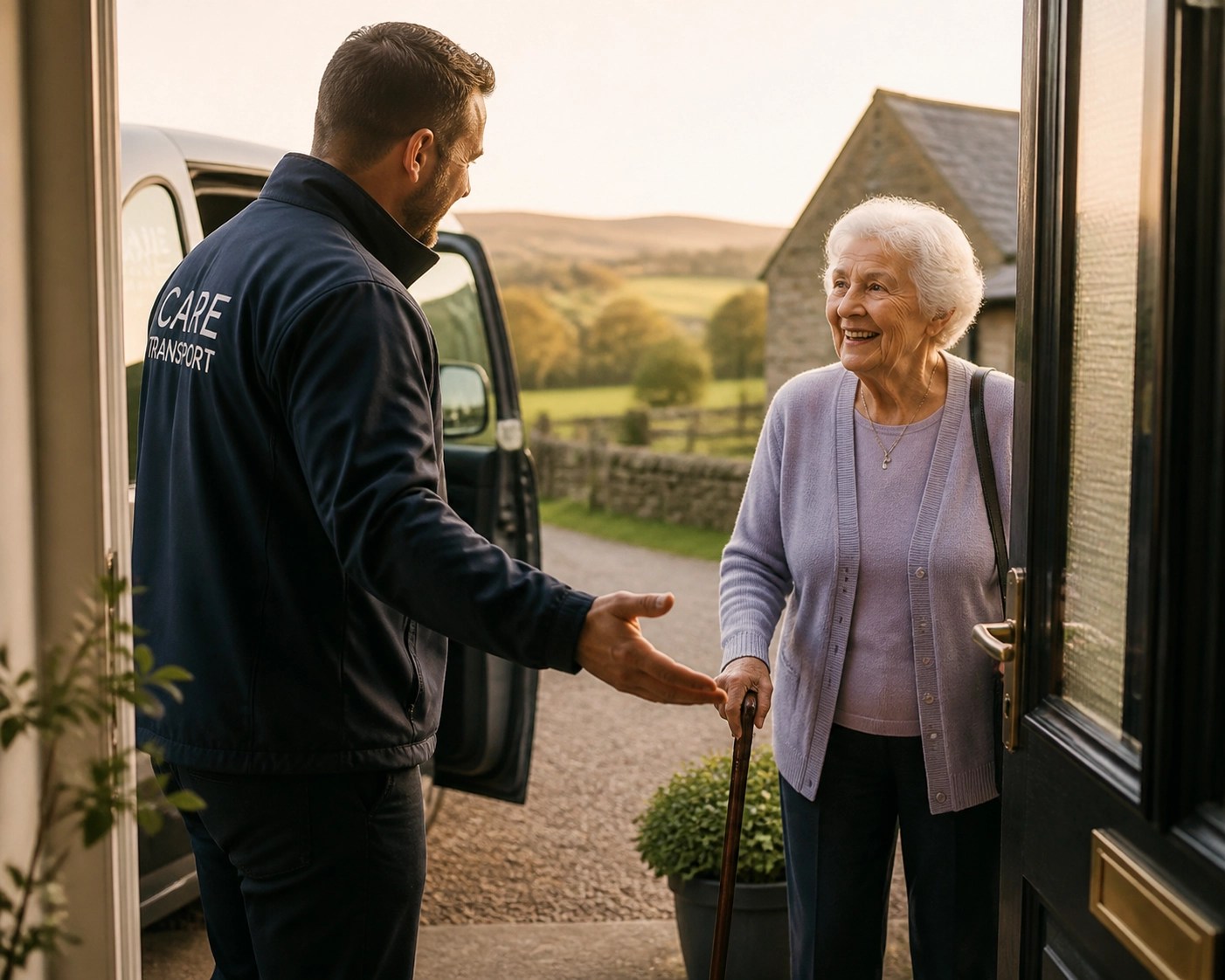
- Door-to-door assistance: Drivers who help you from your living room into the vehicle.
- Specialized equipment: Vehicles equipped for wheelchairs, walkers, and stretchers.
- Trained professionals: Drivers who understand basic patient care and sensitivity.
When you choose a professional service, you are moving away from the "hope it shows up" model of transportation and moving toward a guaranteed solution. You can learn more about how this works in The ultimate guide to NEMT: everything you need to succeed with non-emergency transport.
How to Get a Guaranteed Ride (The Blueprint)
Securing a ride in a remote area requires a different strategy than booking a ride in the city. You cannot rely on "on-demand" services when you are thirty miles from the nearest town. You need a system. Here is the blueprint for ensuring you never miss an appointment again.
1. Stop Thinking "On-Demand" and Start Thinking "Scheduled"
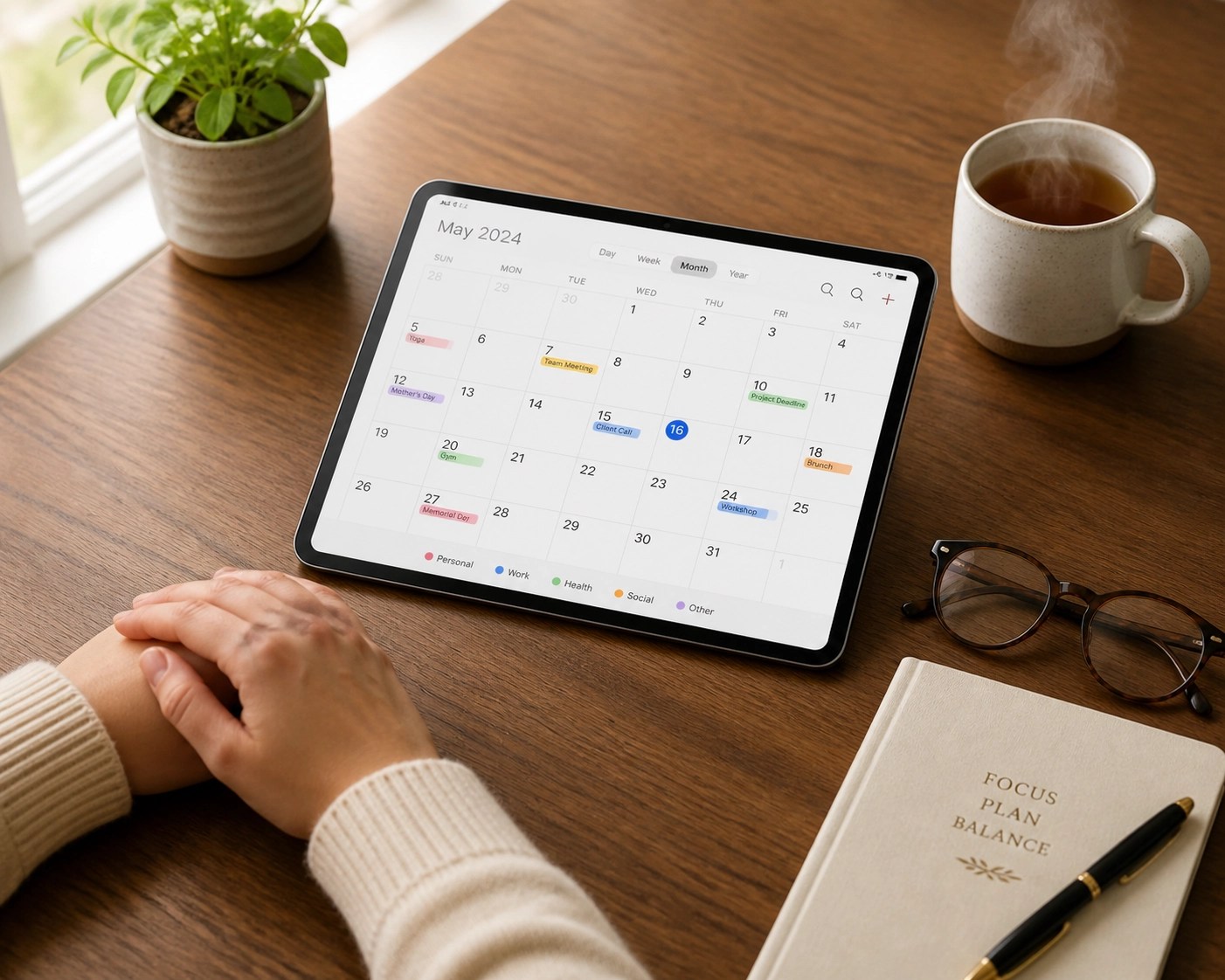
In rural areas, spontaneity is the enemy of reliability. The most successful patients schedule their rides at least 48 to 72 hours in advance. This allows providers like Swift Ryde to optimize routes and ensure a driver is assigned specifically to your zone. If you have a recurring appointment, like dialysis or physical therapy, recurring bookings are the gold standard. You can find out how to finally get a ride that shows up by simply changing how you schedule.
2. Verify Your Coverage
Many patients are surprised to learn that their insurance: especially Medicaid: often covers NEMT services. This means your ride to the doctor might be at little to no cost to you. Before you stress about the cost of a long-distance trip, call your provider or check your policy. There are specific rural patient access secrets involving insurance coordination that can save you thousands of dollars a year.
3. Communicate Your Specific Needs
Do you use a walker? Do you need oxygen during the trip? Will you have a caregiver riding with you? In a remote area, the wrong vehicle showing up is just as bad as no vehicle showing up. When you book, be crystal clear about your mobility requirements. This ensures the company sends a vehicle that can actually accommodate you, avoiding a last-minute cancellation at the curb.
The Problem with Traditional Rideshare in Rural Areas
We often get asked, "Why can't I just use Uber?" In a major city, Uber is great. In a rural zip code, it’s a gamble you can’t afford to take.
For many patients, a rideshare driver might accept the trip, see how far away you are, and cancel before they even arrive. Even worse, you might get a ride to the doctor, but find yourself stranded when you try to get a ride home because there are no drivers nearby. Specialized medical transport doesn't work that way. When we commit to a trip, we commit to the round-trip. We are a "guaranteed" service, not a "maybe" service. You can dive deeper into why this distinction is vital by reading Can specialized NEMT really help you overcome healthcare access barriers?.
Specialized Care for Specialized Needs
Rural healthcare often involves visits to specialists: oncologists, cardiologists, or dialysis centers: that are located in regional hubs. These aren't just quick trips; they are vital medical appointments that leave patients fatigued.
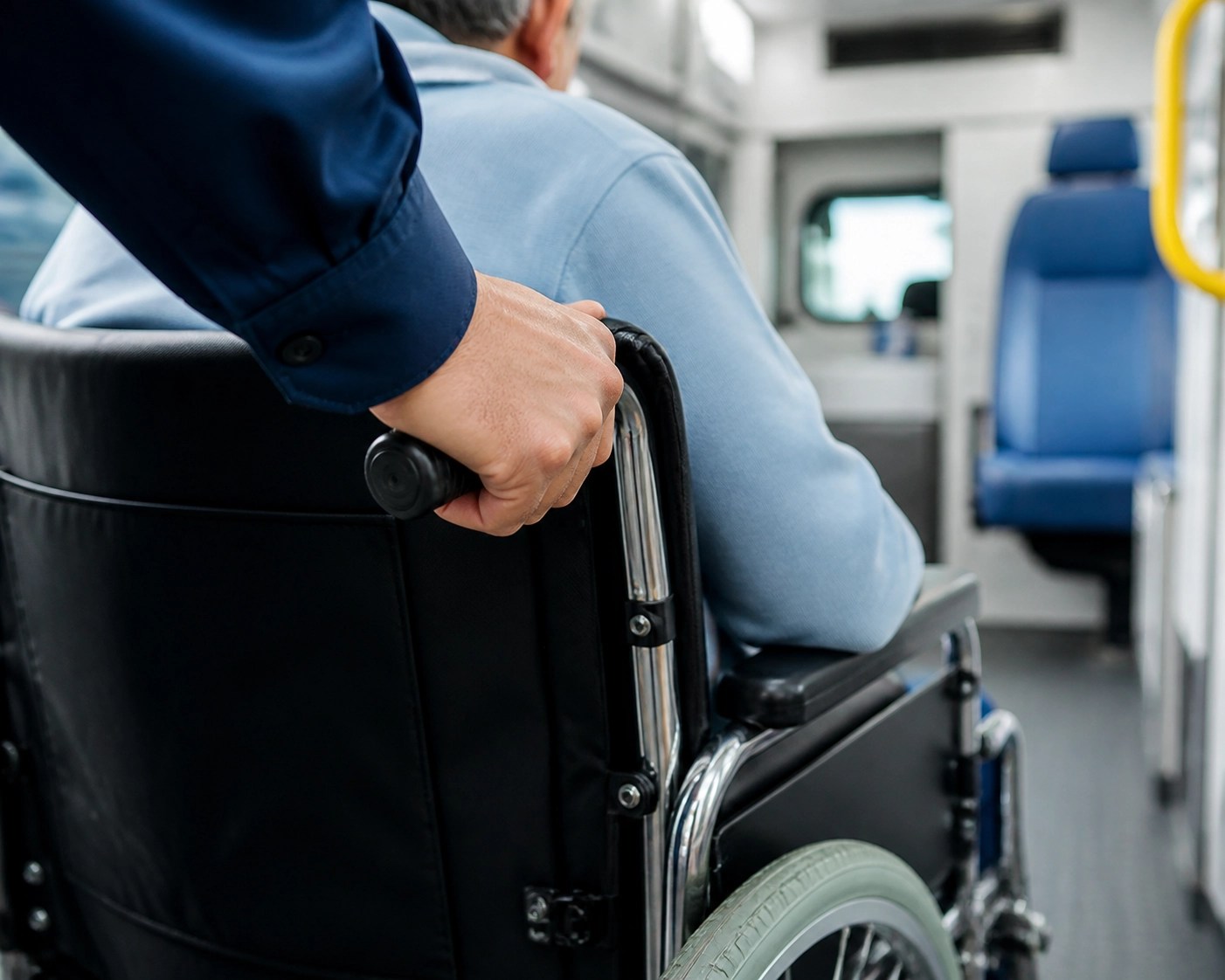
If you are a caregiver for someone in a wheelchair, the logistics become even more complex. You need to know that the vehicle has a functioning lift and that the driver knows how to secure the chair properly. It isn't just about moving from point A to point B; it’s about safety and dignity. For those preparing for these types of trips, we recommend checking out our guide on 5 steps: how to prepare for a wheelchair-accessible ride.
Leveraging Community and Veteran Resources
For our veterans living in remote areas, there are additional layers of support. The Veterans Transportation Service (VTS) and various Veteran Service Organizations (VSOs) often provide van services to VA hospitals. However, these services can sometimes be overbooked or have rigid schedules.
When the VA vans are full, or when your appointment doesn't align with their schedule, professional NEMT serves as the perfect safety net. It ensures that those who served our country aren't left behind just because they chose to live in the countryside.
Why Swift Ryde is Different
We don't just see a map; we see people. We know that behind every booking is a person who is trying to get better, a daughter who is worried about her father, or a patient who is tired of the "phone tag" game just to see a doctor.
Our mission is to eliminate the phrase "I couldn't make it" from the rural patient's vocabulary. We’ve streamlined our booking process to be as stress-free as possible. You can even check out Your quick-start guide to NEMT: how to get a guaranteed ride without the phone tag to see how easy it should be.
The Path Forward: Reclaiming Your Health
The barrier of distance is real, but it isn't insurmountable. By moving away from unreliable options and embracing professional, specialized medical transport, you can take control of your healthcare journey.
For many patients, the peace of mind that comes with a guaranteed ride is the first step toward better health. No more staring at the driveway wondering if your ride will show up. No more calling the doctor to cancel for the third time this month.
Whether you are in a remote mountain town or a quiet farming community, your health matters. You deserve a transportation partner that values your time and your well-being as much as you do. Reliable access to healthcare is not just a dream: it’s a phone call or a click away. Let’s bridge the gap together. If you're ready to secure your next trip, explore how to book a door-to-door medical ride in 5 minutes and experience the Swift Ryde difference today.