
Missing a dialysis appointment isn’t like missing a hair appointment or a lunch date. It isn’t an inconvenience. It is a health crisis. For many patients, the logistics of getting to a center three times a week, every single week, is the single most difficult barrier to staying healthy.
At Swift Ryde, we see the stress that manual scheduling puts on families. We see the anxiety in a patient’s eyes when they wonder if their ride will show up on a Tuesday morning. The "traditional" way of booking medical transport: calling every week, confirming every time, and hoping for the best: is broken.
The solution is simple, yet it changes everything: Recurring Bookings.
This isn't just a convenience feature. It is a fundamental shift in how you manage your care. By moving from a reactive "call-as-you-need" model to a proactive "set-it-and-forget-it" system, you remove the mental load of transportation and replace it with the reliability you deserve.
The Mental Load of the "Three Times a Week" Grind
For many patients, the math of dialysis is exhausting. Three treatments per week means 12 to 13 appointments every month. That is over 150 trips a year. If you are booking these one by one, you are performing a part-time job as a logistics coordinator.
Every single one of those 150 trips represents a point of failure. You have to remember to call. The dispatcher has to enter the details correctly. The driver has to be assigned. When you manage appointments manually, you are essentially gambling that everything will go right 156 times in a row.
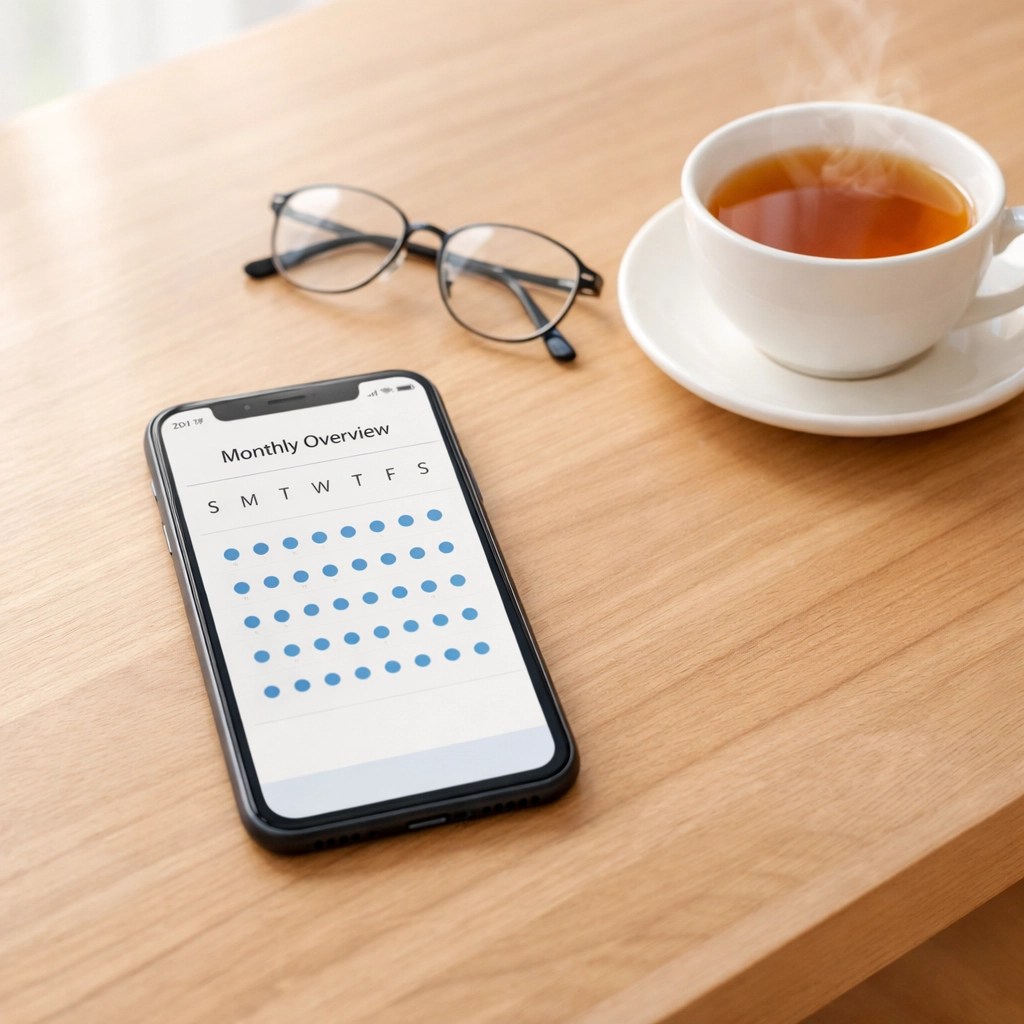
Recurring bookings eliminate the "logistics fatigue." Instead of managing a dozen rides a month, you manage one schedule. Once.
Why Recurring Bookings are the "Gold Standard" for Dialysis
In the world of Non-Emergency Medical Transportation (NEMT), consistency is the ultimate goal. For dialysis patients, recurring bookings create a predictable rhythm that benefits everyone involved: the patient, the caregiver, and the transport provider.
1. Automation Eliminates Human Error
Manual data entry is where most mistakes happen. A misspelled street name or a slightly off pickup time can lead to a missed treatment. Recurring systems establish a template. Once your details are in the system, they stay there. The system auto-generates your rides based on your specific dialysis schedule. No more repeating your address or your floor number every Monday morning.
2. Priority Scheduling
When you book a recurring ride, you aren't just another name on the daily schedule. You are a permanent fixture. At Swift Ryde, recurring bookings allow us to plan our fleet movements weeks in advance. This means your ride is "locked in" before the daily rush even starts. It’s the difference between trying to grab a taxi on a rainy Friday night and having a private driver waiting at your door.
3. Caregiver Relief
If you are a caregiver, you know that dialysis doesn't just affect the patient. It affects your work schedule, your sleep, and your peace of mind. Recurring bookings allow caregivers to reclaim their time. You no longer have to spend your Sunday evenings worrying about whether the transport is confirmed for Monday. You can check the Swift Ryde NEMT services off your list and focus on what matters: supporting your loved one.
The Difference Between "A Ride" and "Reliable Transport"
For many patients, the temptation is to use a standard rideshare app because it seems easy in the moment. But dialysis patients have unique needs that a typical rideshare driver isn't trained to handle.
After a four-hour dialysis session, patients are often exhausted, dizzy, or weak. You don’t need a driver who is going to drop you at the curb and speed off to their next fare. You need a door-to-door service that understands the physical toll of the treatment.
We’ve talked before about Medical Transport vs. Rideshare, and the recurring booking model is a major part of that comparison. A rideshare driver doesn't know you. A Swift Ryde driver who sees you every Monday, Wednesday, and Friday becomes a familiar face. They know your mobility needs, they know which door you prefer to use, and they know how to help you safely into your home.

Overcoming the Barriers of Rural Access
If you live outside a major city, the stakes are even higher. Rural healthcare access is a significant challenge, especially when the nearest dialysis center is 30 or 40 miles away. In these areas, you cannot rely on the "on-demand" economy. There are no cars "just around the corner."
For our neighbors in remote areas, recurring bookings are a lifeline. We’ve written extensively about why Rural Healthcare Access Matters, and recurring transport is the engine that makes that access possible. It allows providers to group rides and ensure that a vehicle is always dispatched to your area, regardless of how far off the beaten path you are.
Handling the "What Ifs": Flexibility in a Fixed Schedule
The biggest concern we hear about recurring bookings is: "What if my schedule changes?"
Life happens. A doctor might change your treatment time, or you might need to miss a day due to another health issue. A truly reliable NEMT provider doesn't lock you into a rigid cage. Recurring booking systems are designed to be flexible.
You get the best of both worlds: the stability of a permanent schedule with the ability to make "one-off" adjustments when necessary. You can cancel a single leg of the trip or push a pickup time back by 30 minutes without blowing up your entire month’s schedule. It’s about having a foundation that supports you, not a system that restricts you.

How to Get Started with Recurring Bookings
Setting up a recurring schedule shouldn't be a chore. It should be the last "chore" you have to do regarding your transportation.
- Map Out Your Schedule: Know your "in-chair" time and your expected "off-chair" time.
- Account for "The Recovery Factor": Don't book your return ride for the exact minute your treatment ends. Give yourself a 15-20 minute buffer to gather your things and catch your breath.
- Specify Your Needs: If you use a wheelchair or walker, ensure that’s part of the recurring profile. (If you're unsure how to prepare, check out our guide to wheelchair-accessible rides).
- Confirm the Routine: Once the first week goes smoothly, the rest follows suit.
Transportation is a Fundamental Necessity
We need to stop viewing medical transportation as a "luxury" or a "nice-to-have" service. If you cannot get to the clinic, the best doctors and the most advanced dialysis machines in the world don't matter. Transport is an essential component of your clinical care.
For many patients, the fear of "no-shows" is enough to cause physical symptoms of stress. By moving to recurring bookings, you are taking control of your health. You are deciding that your time, your energy, and your wellness are too important to leave to chance.
At Swift Ryde, we are committed to removing the barriers to healthcare. Whether it’s through door-to-door medical rides or specialized NEMT services, our goal is to make sure your ride is the least of your worries.
Final Thoughts
The burden of chronic illness is heavy enough. You shouldn't have to carry the burden of logistics on top of it. Recurring bookings represent more than just a calendar entry: they represent a promise. A promise that you will get to your treatment on time, every time, without having to pick up the phone and ask.
If you are tired of the weekly scramble, it’s time to make the switch. Set your schedule, trust the process, and get back to living your life.
Ready to simplify your routine? Explore our home page to see how we can help you set up a recurring schedule that works for you.
This is part 4 of our 7-day series on NEMT reliability. Tomorrow, we’ll be diving deeper into the specific differences between professional medical transport and standard rideshare services.