
The headlines are everywhere: “NEMT market explodes,” “Transportation crisis solved,” “Billions flowing into medical rides.” But what does this actually mean for you when you need to get to your doctor’s appointment next week?
The truth is more complex than the buzzwords suggest. While various market research firms throw around different numbers: some projecting $24 billion, others citing $9.82 billion to $11.80 billion for 2025: the real story isn’t about the exact dollar amount. It’s about a fundamental shift in how Americans access healthcare.
The Numbers Don’t Tell the Whole Story
Market projections vary wildly depending on who’s doing the counting. Research firms project the Non-Emergency Medical Transportation market will reach anywhere from $9.82 billion in 2025 to $31.87 billion by 2031. The discrepancy reflects different methodologies and regional scope, but every single forecast points to the same conclusion: massive growth is happening right now.
For many patients, these numbers feel abstract. What matters is whether you can reliably get to your dialysis appointment on Tuesday or your chemotherapy session next month. The market expansion means more providers are entering the space, which should translate to better service and availability for patients who need it most.

Three Forces Driving the Transportation Revolution
The Silver Tsunami
America is aging faster than ever before. By 2030, all baby boomers will be 65 or older. This demographic shift creates unprecedented demand for medical transportation services. For many seniors, driving becomes unsafe or impossible due to vision problems, mobility limitations, or medication side effects.
The math is stark: older adults visit healthcare providers twice as often as younger people. When you multiply millions of seniors by multiple appointments per month, the transportation need becomes enormous.
Chronic Disease Explosion
Diabetes, heart disease, and kidney failure don’t schedule themselves around your convenience. These conditions require regular, ongoing medical care that can’t be delayed or rescheduled. For many patients managing chronic conditions, missing even one appointment can trigger serious health complications.
Medicaid NEMT usage has increased by 15% following the Affordable Care Act’s expansion. This isn’t just a statistic: it represents real people who previously went without care because they couldn’t get there.
Technology Finally Catches Up
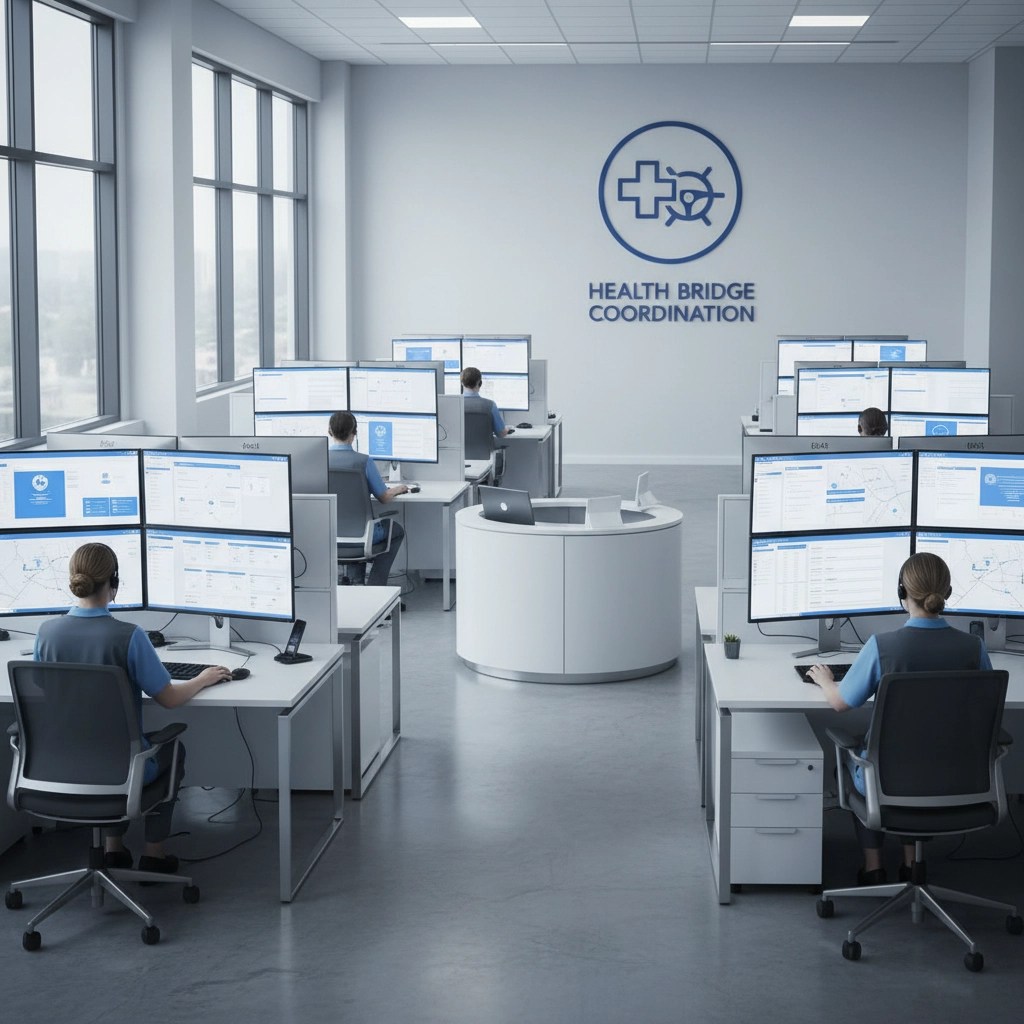
The days of calling three different numbers, waiting on hold, and hoping someone shows up are ending. Modern NEMT providers use Computer-Aided Dispatch systems, Electronic Health Records integration, and real-time tracking that actually works.

What This Means for Your Healthcare Access in 2025
More Options, Better Service
The market expansion creates competition, which historically drives improvements in service quality and availability. Instead of having one or two options in your area, you’ll likely have multiple NEMT providers competing for your business.
This competition should result in shorter wait times for booking rides, more flexible scheduling options, and better customer service. Providers who don’t meet patient expectations simply won’t survive in a more competitive marketplace.
Specialized Care Gets Easier
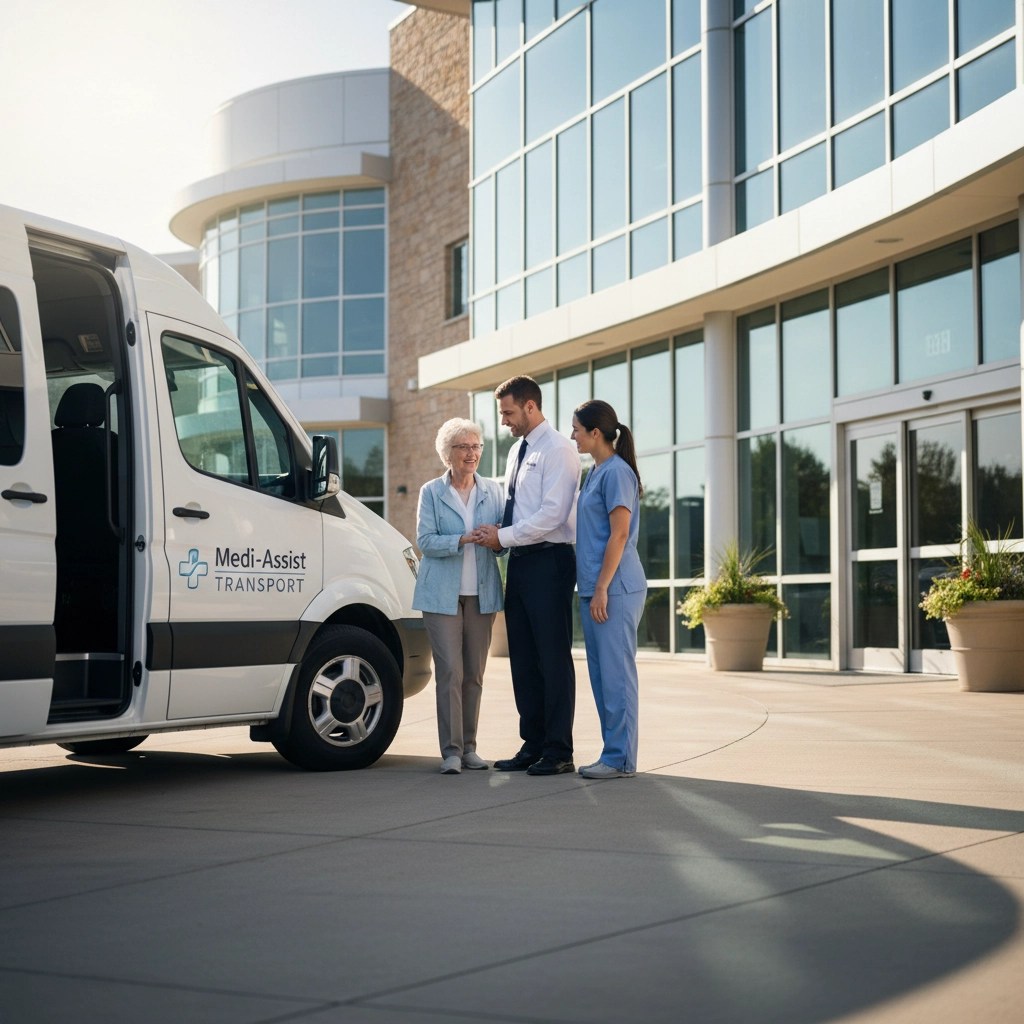
For many patients with specific medical needs, getting to specialized appointments has been the single most difficult barrier to care. The market growth means providers can invest in specialized vehicles and training for conditions like dialysis, chemotherapy, or physical therapy.
Wheelchair accessibility, stretcher transport, and oxygen-compatible vehicles are becoming standard offerings rather than premium services. This specialization directly translates to safer, more comfortable rides for patients with complex medical needs.
Rural Access Finally Improves
Rural healthcare access has been a crisis for decades. The NEMT market expansion includes specific focus on underserved areas where traditional transportation options don’t exist.
Government-subsidized programs and public-private partnerships are scaling to bridge the urban-rural healthcare divide. For many rural patients, this represents the difference between receiving care and going without.

The Technology Revolution You’ll Actually Notice
Real-Time Everything
No more wondering if your ride will show up. Modern NEMT services provide real-time tracking, automatic appointment reminders, and instant notifications about delays or schedule changes. You’ll know exactly when your driver will arrive and can track their progress on your phone.
Seamless Healthcare Integration
The best NEMT providers now integrate directly with healthcare systems. Your transportation gets scheduled automatically when your doctor books your appointment. Your medical team knows when you’ve arrived and if there were any delays.
This integration eliminates the coordination burden that previously fell on patients and family members. Healthcare becomes more accessible when transportation isn’t a separate puzzle to solve.
Simplified Billing and Authorization
Insurance authorization and billing processes that previously required multiple phone calls and paperwork are becoming automated. Many providers now handle Medicaid authorization directly, removing administrative barriers that previously prevented patients from accessing transportation benefits.
The Real Impact: Missed Appointments Become Rare
The ultimate measure of NEMT market success isn’t billion-dollar valuations: it’s whether patients make it to their medical appointments. Missed appointments cost the healthcare system over $150 billion annually and often result in worse health outcomes for patients.
For many patients managing chronic conditions, reliable transportation directly translates to better health. Regular dialysis appointments prevent emergency hospitalizations. Consistent medication management visits keep conditions stable. Routine check-ups catch problems early when they’re still treatable.
What to Expect from Your NEMT Provider in 2025
The market growth sets new standards for what patients should expect from medical transportation services:
Reliability isn’t negotiable. Your provider should have backup vehicles and drivers to ensure you reach appointments on time, every time.
Communication should be proactive. You shouldn’t have to call to find out where your ride is or whether it’s running late.
Comfort and safety are standard. Clean vehicles, trained drivers, and appropriate medical equipment should be baseline expectations, not premium features.
Scheduling should be flexible. Same-day appointments, early morning dialysis runs, and last-minute changes should all be accommodated without hassle.
The Bottom Line for Patients
The NEMT market expansion means your healthcare access is about to improve dramatically. More providers, better technology, and increased competition create an environment where patient needs drive service improvements.
For many patients who have struggled with transportation barriers, 2025 represents a turning point. The combination of market growth, technological advancement, and increased focus on patient outcomes creates conditions where reliable medical transportation becomes the norm rather than the exception.
The billion-dollar market projections matter because they represent sustained investment in solving real problems that affect millions of Americans. When venture capital and healthcare systems invest heavily in transportation solutions, patients benefit through improved service, greater availability, and lower barriers to care.
Your healthcare access in 2025 will be fundamentally different than it was five years ago. The question isn’t whether the market will continue growing: it’s how quickly providers can scale to meet the enormous demand for reliable, professional medical transportation services.
For patients who need dependable transportation to maintain their health, this market expansion couldn’t come at a better time. The infrastructure is being built right now to ensure that transportation never again becomes a barrier between you and the healthcare you need.