
Your zip code should never determine your quality of life. For many patients living in rural areas, the single most difficult barrier to healthcare isn't the diagnosis or the treatment plan: it is the simple act of getting to the clinic.
Distance should never stand between a person and their doctor. Yet, in the most remote landscapes, transportation is often the missing link that causes health to decline. When you live thirty miles from the nearest specialist, a missed ride isn’t just an inconvenience. It is a critical failure in the care cycle.
At Swift Ryde, we believe that reliable transportation isn't a comfort; it is a fundamental necessity. If a patient cannot get to their appointment, the best medical technology in the world is useless.
The Reality of the Rural "Transportation Desert"
For many patients in rural communities, the journey to a healthcare facility is a trek across a "transportation desert." There are no subways here. There are no frequent bus routes. Often, there aren't even local taxi services willing to drive the long distances required to reach a regional hospital or a dialysis center.
According to CMS, transportation barriers account for 25% or more of missed clinic appointments. In rural areas, that number can feel even higher. When a hospital closes or a specialist moves to a city center, the burden of travel falls squarely on the patient.
Rural residents often travel twice the distance for medical care compared to those in urban areas. This creates a ripple effect of stress:
- Increased Travel Costs: High fuel prices and vehicle wear and tear.
- Caregiver Strain: Family members must take full days off work to provide transport.
- Treatment Non-Adherence: Patients begin to "wait and see" instead of seeking preventative care.
The problem isn't just distance; it's the lack of a system that treats rural patients with the same urgency as urban ones.
Why Standard Apps and Rideshares Fail Rural Patients
For many patients, the first instinct is to open a standard rideshare app. However, in rural areas, this is often a recipe for disappointment.
Rideshare services are built on the "gig economy," where drivers choose their own routes. For a driver, a 40-mile trip into a remote area: where they are unlikely to find a return fare: is financially unattractive. This leads to the "cancellation loop." You book the ride, wait twenty minutes, and then see the driver cancel. You try again, and the same thing happens.
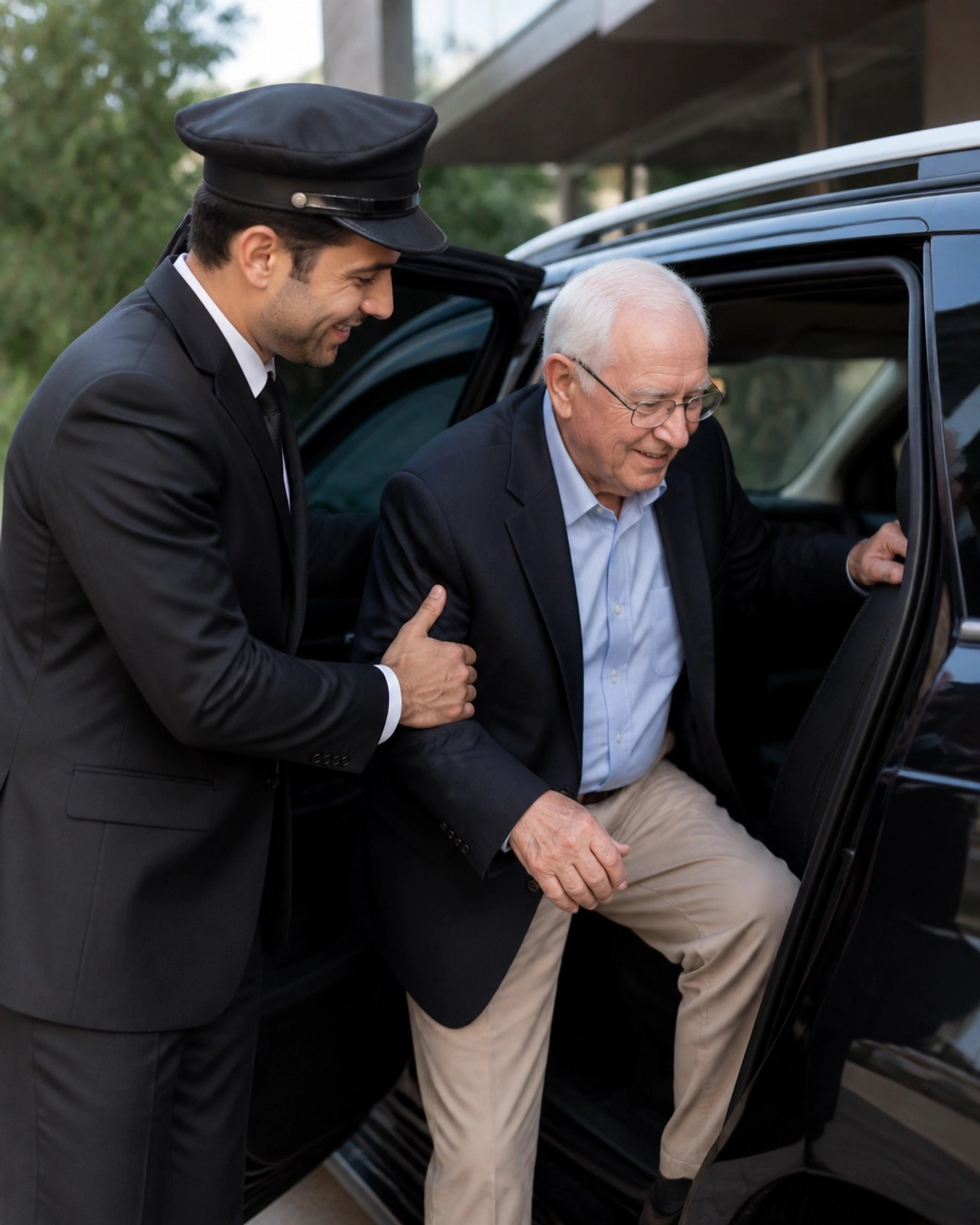
Rideshares also fail because they lack the human-centered approach necessary for medical transport. A standard driver is trained to get you from point A to point B. They are not trained to wait for you, assist you from your front door, or handle a wheelchair.
To understand why specialized service is different, it is helpful to look at the differences between NEMT and rideshare. Reliability in a rural setting requires a commitment that go-anywhere apps simply cannot provide.
The Swift Ryde Solution: Reliability as a Promise
Swift Ryde was built to solve the "no-show" crisis. We operate with the understanding that for a rural patient, a confirmed booking is a lifeline.
We don't just provide a seat in a car; we provide a door-to-door medical transportation service that prioritizes patient dignity. Our drivers don't just pull up to the curb. They come to your door. They ensure you are safely settled. They understand that the journey itself shouldn't be more taxing than the medical treatment you are about to receive.
For patients who require longer visits or multiple stops, we offer a guide to booking by the hour. This removes the anxiety of wondering if a ride will be available when the appointment is over. When you book by the hour, the driver is your dedicated support system for the entire duration of your trip.
How to Guarantee a Ride That Actually Shows Up
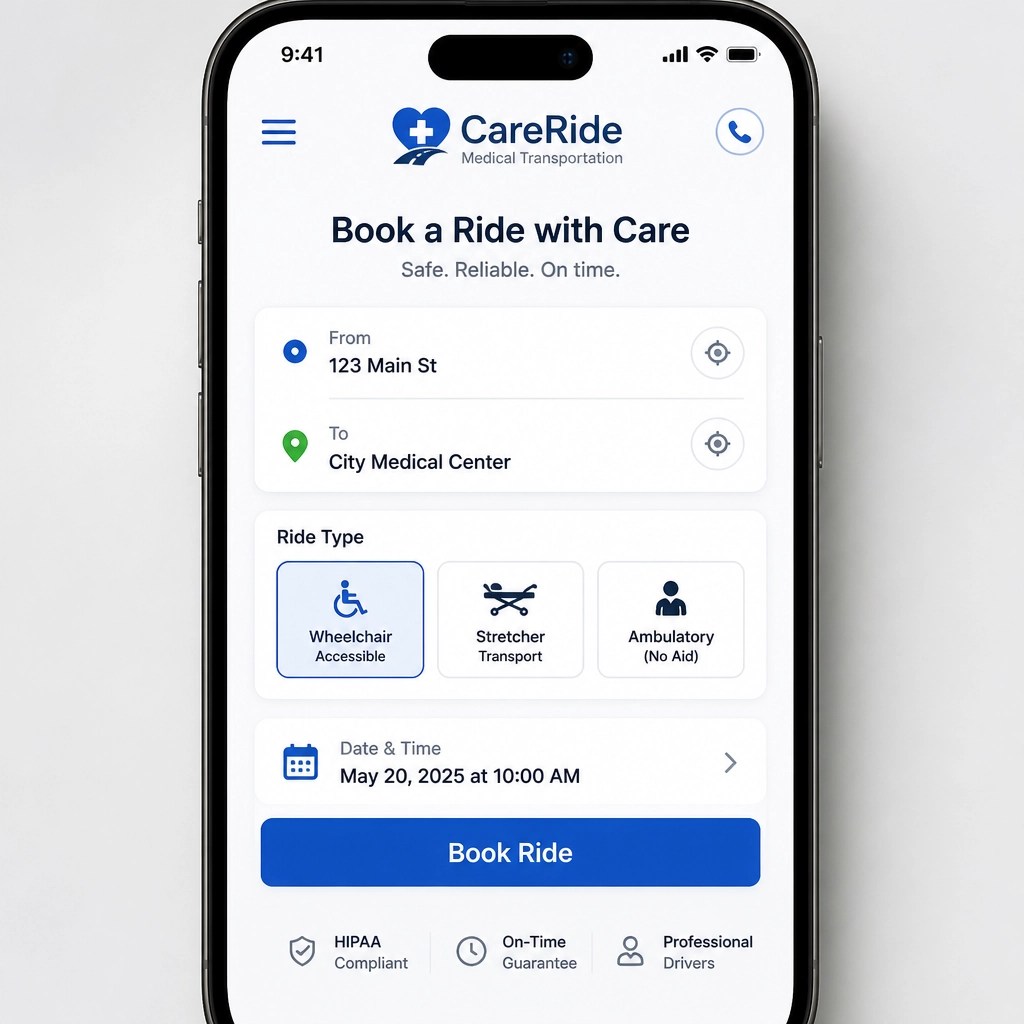
If you are a patient or a caregiver in a remote area, you shouldn't have to cross your fingers and hope your transport arrives. You should be able to plan with confidence. Here is how to ensure your rural healthcare access remains uninterrupted:
1. Book in Advance
For many patients, last-minute planning is the biggest risk factor for a no-show. In rural areas, fleets are managed with precision. Booking your ride 48 to 72 hours in advance allows the dispatch team to optimize the route and ensure a driver is specifically assigned to your long-distance trip.
2. Choose Door-to-Door, Not Curb-to-Curb
A "curb" can be a long way away if you live at the end of a rural driveway or have mobility challenges. Ensure you are using a service that offers full door-to-door assistance. This ensures the driver is responsible for your safety from the moment you leave your house until you are checked in at the clinic.
3. Use Hourly Bookings for Specialized Care
If you are traveling an hour or more for a specialist, the risk of being "stranded" after the appointment is high. Standard one-way bookings rely on a new driver being available in that area later. Hourly bookings eliminate this risk. Your driver stays within range, ensuring you have a guaranteed ride home the moment you are ready.
4. Communicate Specific Needs Early
Rural roads can be tricky. If your home is difficult to find or requires a specific type of vehicle (like a wheelchair-accessible van), make that clear during the booking process. Providing clear landmarks can be the difference between a driver arriving on time or getting lost on a backroad. You can find more reliability hacks here to streamline your experience.
The Real Impact: Beyond the Odometer
The impact of reliable rural transport is measured in more than just miles. It is measured in health outcomes.
For many patients, a reliable ride means:
- Lowered Blood Pressure: The stress of "Will they show up?" is removed.
- Consistency in Treatment: Patients are more likely to finish a course of physical therapy or stay on schedule for dialysis.
- Independence: Seniors can remain in their rural homes longer because they have a way to access the city-center services they need.
Healthcare access isn't a luxury for the urban elite. It is a right for everyone, whether they live in a high-rise or at the end of a dirt road.
Removing the Barrier Once and For All
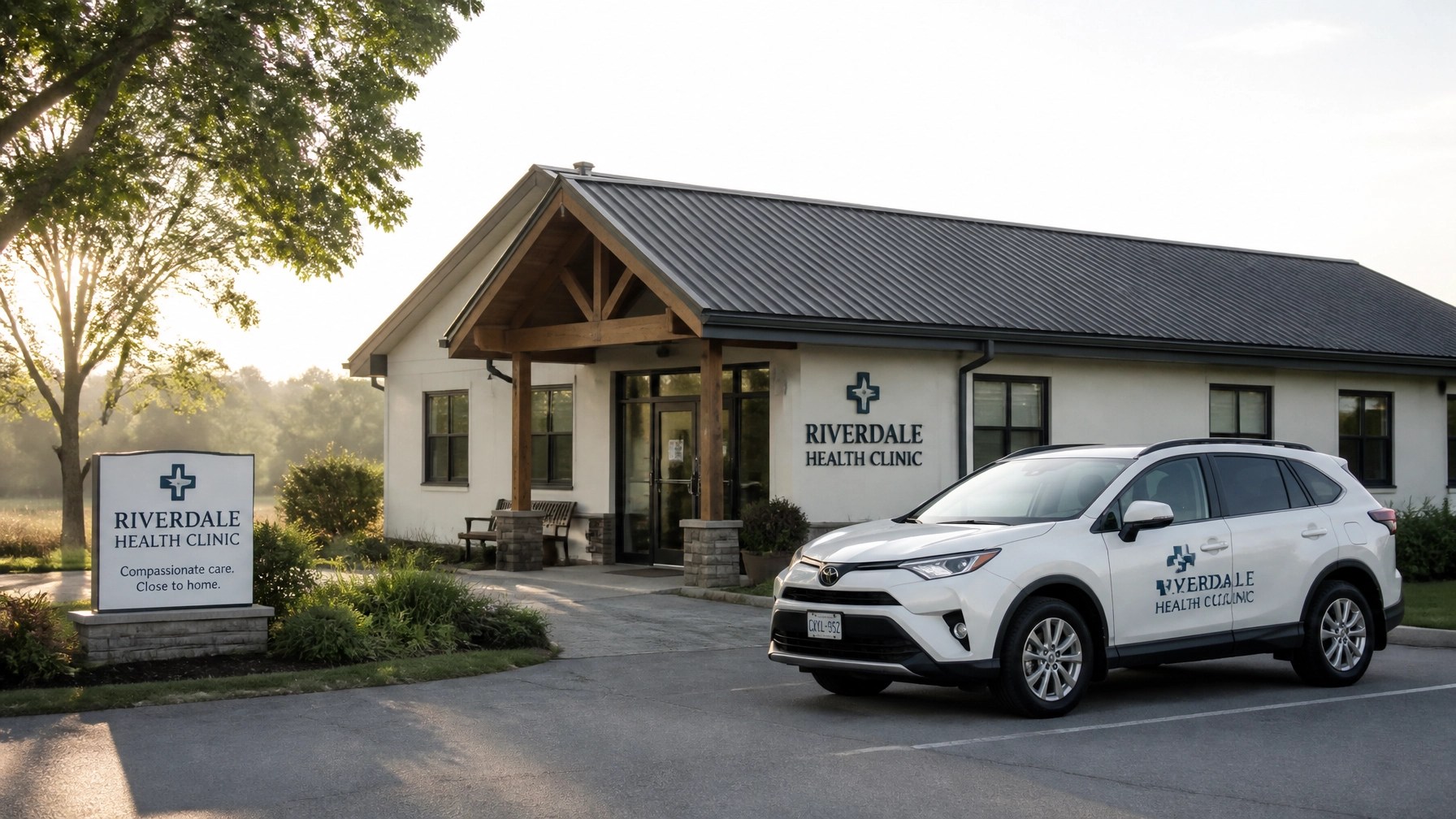
The "transportation barrier" is a wall that prevents millions of people from getting the care they deserve. But walls can be broken down. By choosing a dedicated NEMT provider that specializes in rural and remote areas, you are choosing to prioritize your health over the limitations of geography.
For many patients, the journey to recovery starts in the passenger seat of a reliable vehicle. We are committed to ensuring that no patient is ever left behind because they live "too far out."
If you or a loved one are struggling to find a ride that actually shows up, it's time to stop gambling with rideshare apps. Explore how Swift Ryde can bridge the gap for you. Because in the end, rural healthcare access matters: and we are here to make sure you get there.
Key Takeaways for Rural Patients:
- Reliability is non-negotiable: Choose NEMT over rideshare for guaranteed pickups.
- Hourly booking is a rural "cheat code": It eliminates the fear of being stranded after a long-distance appointment.
- Advance notice wins: The earlier you book, the more secure your slot in a rural fleet.
- Dignity matters: Demand door-to-door service that respects your physical needs.