
Living in a remote zip code should never be a barrier to quality healthcare. It is that simple. For many patients, the distance between their front door and the doctor’s office is measured in more than just miles; it is measured in anxiety, missed appointments, and declining health. If you live in a rural area, you already know the struggle. You schedule an appointment weeks in advance, you arrange your day, and then the ride just… doesn't show up.
At Swift Ryde, we believe transportation is a fundamental necessity, not a luxury. When you are managing a chronic condition or recovering from surgery, a "no-show" isn't just a minor inconvenience. It is a systemic failure that puts your life on hold.
In this second part of our 7-day series on NEMT (Non-Emergency Medical Transportation) reliability, we are diving deep into the unique challenges of rural healthcare access and, more importantly, how you can secure a ride that actually respects your time.
The Single Most Difficult Barrier to Rural Health
For many patients, the lack of reliable transport is the single most difficult barrier to staying healthy. Statistics show that access to intercity transportation in rural areas has declined significantly over the last few years. In fact, by 2021, only about 85% of the rural population had access to these vital links. This creates what we call "healthcare deserts," where the doctors are available, but the patients are stuck at home.
When you live miles away from the nearest clinic, you can’t exactly "hop in an Uber." Traditional rideshare apps often fail in remote areas because there simply aren't enough drivers willing to make the long trek out to pick someone up, especially if that patient has mobility needs. This is where specialized medical transport should step in, but even then, many providers overpromise and underdeliver.
If you’ve been struggling with this, you might find that 10 reasons your rural healthcare access isn't working resonates with your experience. It isn't your fault; it’s a logistics problem that requires a dedicated solution.
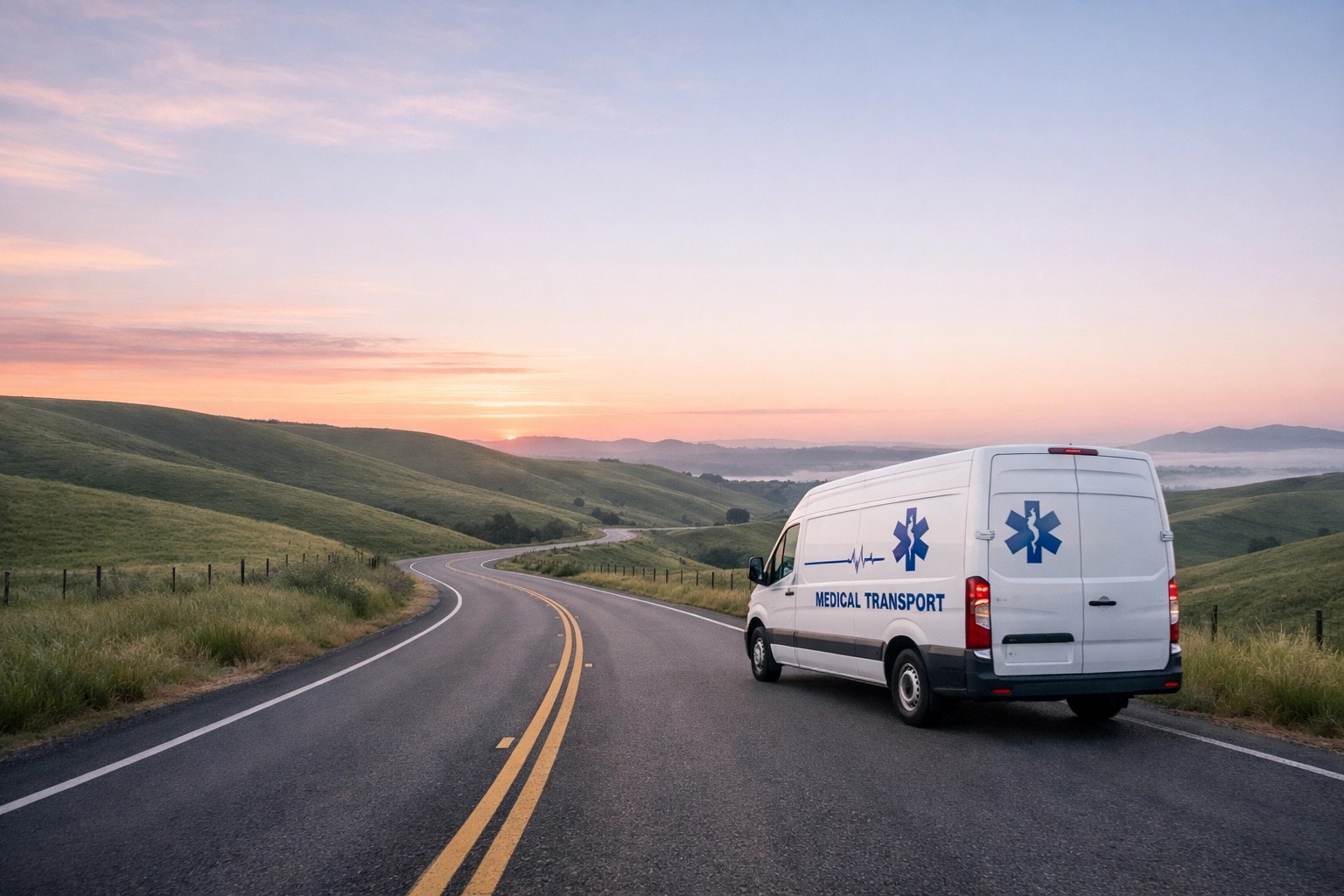
Why "Standard" Transport Fails the Remote Patient
The "ghost ride": the ride that is confirmed but never arrives: is a frequent nightmare for rural residents. Why does this happen? Usually, it comes down to a lack of coordination and a failure to understand the geography.
Standard transport services often treat rural routes the same way they treat city blocks. They don't account for unpaved roads, longer travel times, or the fact that a driver might lose GPS signal in a remote valley. For a service to be truly reliable, it must account for these variables.
Reliability isn't a comfort; it’s a requirement. If a provider doesn't have a specific strategy for remote zip codes, they shouldn't be booking those rides. Patients deserve a partner who knows the backroads as well as the highways. You can read more about why this matters in our deep dive on whether NEMT reliability really matters in 2026.
3 Steps to Getting a Ride That Actually Shows Up
You shouldn't have to cross your fingers and hope for the best every time you have a check-up. Here is how to take control of your transportation and ensure your ride is there when you need it.
1. Ask for Their "On-Time Performance" Rate
Don't be afraid to grill a potential transport provider. Ask them point-blank: "What is your on-time performance rate for my specific zip code?" A reliable provider will have this data. For example, high-performing coordinated services often aim for a 94% or higher on-time rate. If they can’t give you a number, they likely aren't tracking it, which means they aren't prioritizing it.
2. Verify "Door-to-Door" Service
In rural areas, "curbside" isn't enough. If you live at the end of a long driveway or use a wheelchair, you need a driver who will come to your door and assist you into the vehicle. Always confirm that you are booking a door-to-door service. This level of care is what separates a true medical transport partner from a standard taxi. For a quick guide on this, check out how to book a door-to-door medical ride in 5 minutes.
3. Demand Real-Time Communication
The biggest source of anxiety is the silence between your scheduled pickup time and the vehicle arriving. A reliable provider should offer:
- Confirmation calls the night before.
- Same-day notifications when the driver is en route.
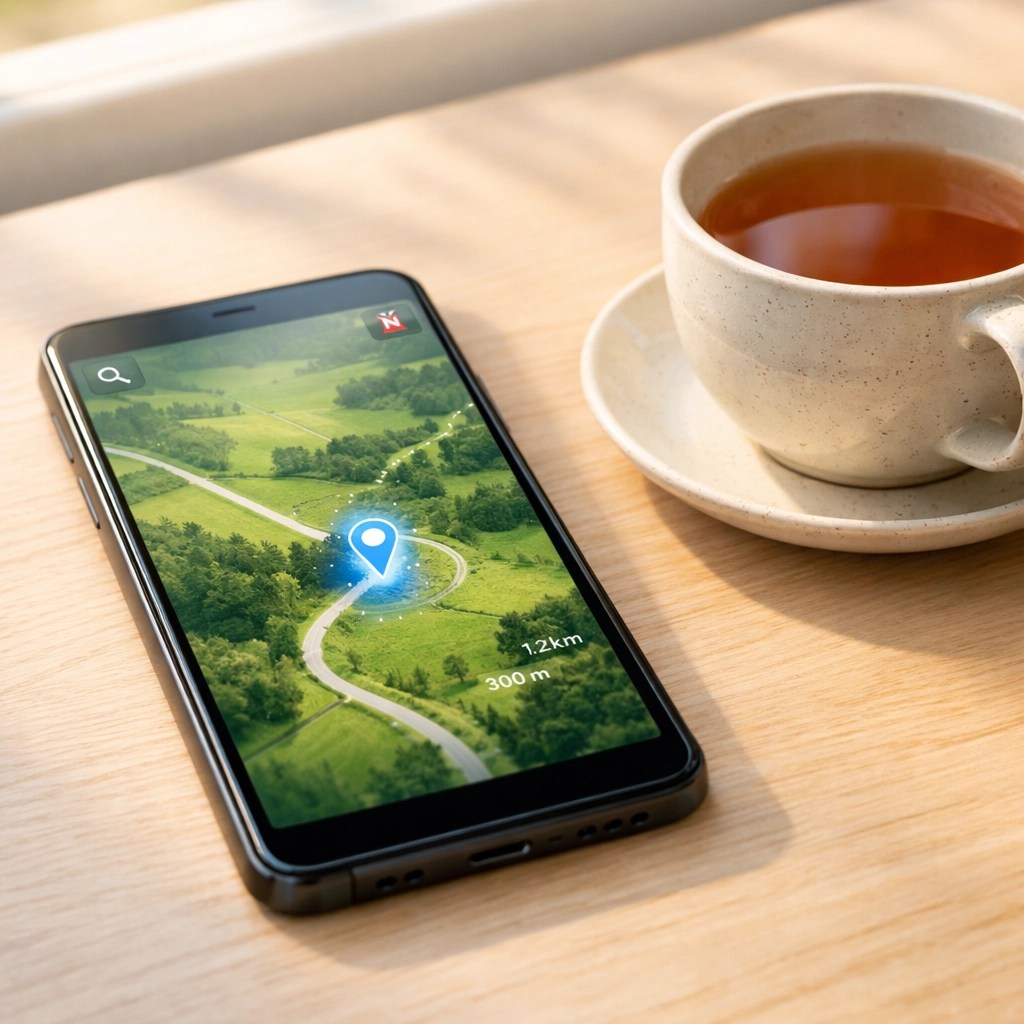
- GPS tracking so you (or your caregiver) can see exactly where the vehicle is.
The Power of Recurring Bookings
For patients with recurring needs: like dialysis, physical therapy, or oncology treatments: booking rides one at a time is a recipe for disaster. It is too easy for a single booking to fall through the cracks.
The secret to rural reliability is the recurring booking. When you set up a standing schedule, you aren't just another name on a list for Tuesday; you are a permanent part of a driver’s route. This consistency builds a relationship between you and the transport team. At Swift Ryde, we’ve seen that recurring bookings change everything for our patients in remote areas. It moves you from a "one-off" pickup to a priority client.
What to Look for in a Rural NEMT Provider
Not all transport companies are created equal. When you are looking for a partner to help you navigate rural healthcare access, look for these "Must-Haves":
- Diverse Fleet: They should have vehicles equipped for various needs, from standard sedans to wheelchair-accessible vans.
- Trained Drivers: Rural driving requires patience and skill. Drivers should be trained in patient sensitivity and basic medical emergency protocols.
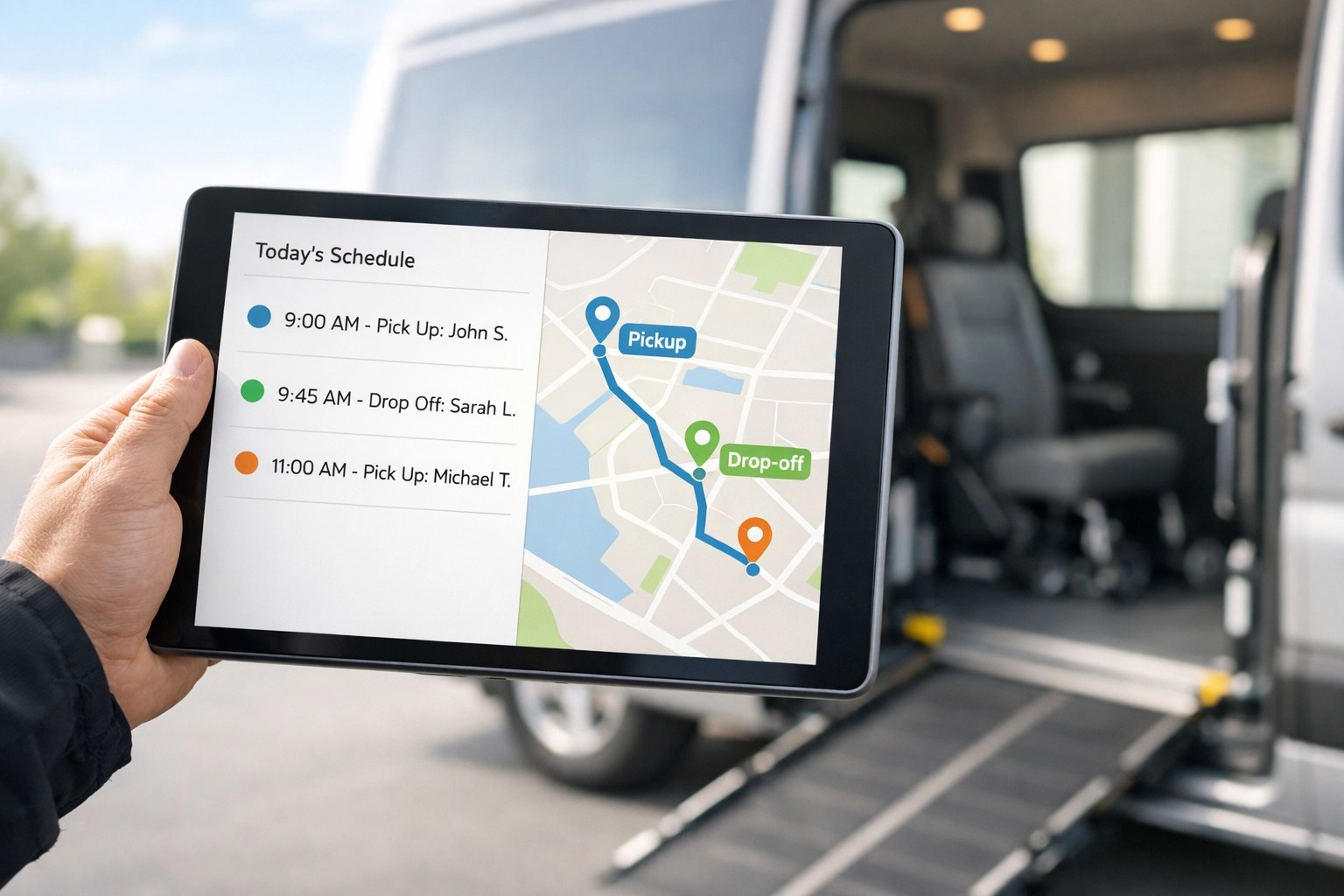
- Technology-Backed Dispatch: If they are using a paper map and a prayer, keep looking. They need modern dispatch software to manage long-distance routes efficiently.
- Local Knowledge: A provider that understands the local landscape is far less likely to get lost or delayed by common regional issues.
If you're wondering how to vet these companies, we’ve put together a guide on how to choose the best medical transportation provider.
For Caregivers: Removing the Burden
If you are a caregiver for someone in a remote area, the weight of transportation often falls on your shoulders. You are the one missing work, burning through gas, and stressing over the logistics.
Reliable NEMT isn't just for the patient; it’s for you. It’s about giving you back your time and your peace of mind. When you hire a professional service like Swift Ryde, you are outsourcing the stress. You should be able to trust that your loved one is in safe hands, allowing you to focus on being a supportive family member rather than a full-time driver.
For many families, the transition to professional transport is the key to removing the barrier to healthcare access.
Moving Forward with Confidence
The truth is, rural healthcare is harder than it should be. But transportation shouldn't be the reason you miss out on a longer, healthier life. By choosing a provider that specializes in reliability and understands the unique needs of remote patients, you can take the "maybe" out of your medical appointments.
Whether you need a ride once a month or three times a week, there are solutions designed for your zip code. You can get a reliable ride no matter where you live if you know what to look for and which questions to ask.
Don't settle for "we'll try to be there." Demand a partner who says, "We will be there." Because in the world of rural healthcare, showing up is the most important part of the treatment.

In our next post, we’ll be discussing the 5 Steps to Prepare for a Wheelchair-Accessible Ride, ensuring that once the ride shows up, the boarding process is as smooth and stress-free as possible. Stay tuned as we continue to break down the barriers to your healthcare.