
Geography should never dictate the quality of your healthcare. It is a fundamental principle that your physical location shouldn’t be the reason you miss a life-saving treatment or a routine check-up. Yet, for millions of Americans living in rural communities, the road to the doctor’s office is the single most difficult barrier to staying healthy.
For many patients, a twenty-mile drive isn't just a quick trip; it’s a logistical mountain. When you live outside the reach of city bus lines and miles away from the nearest specialist, a car breakdown or a change in health status doesn't just disrupt your day: it endangers your life. At Swift Ryde, we believe that reliability isn't a comfort; it is a necessity. If you can’t get to the clinic, the best medical care in the world doesn't matter.
The Invisible Barrier: Why Distance is a Medical Issue
In rural America, the "medical desert" is a harsh reality. For many patients, the nearest hospital might be forty minutes away, while the nearest specialist: like an oncologist or a cardiologist: could be two hours in the opposite direction.
This isn't just an inconvenience. It is a systemic barrier that leads to missed appointments, unmanaged chronic conditions, and eventually, preventable emergency room visits. When transportation is uncertain, patients tend to "wait and see" rather than seeking early intervention. By the time they finally find a ride, the condition has often progressed from manageable to critical.
Transportation is the infrastructure of health. Without it, the healthcare system fails the very people who need it most.

Why Traditional Rideshare Often Fails Rural Patients
You might think that the rise of app-based rideshare services would solve the rural transportation gap. Unfortunately, for many in remote areas, these services are practically non-existent.
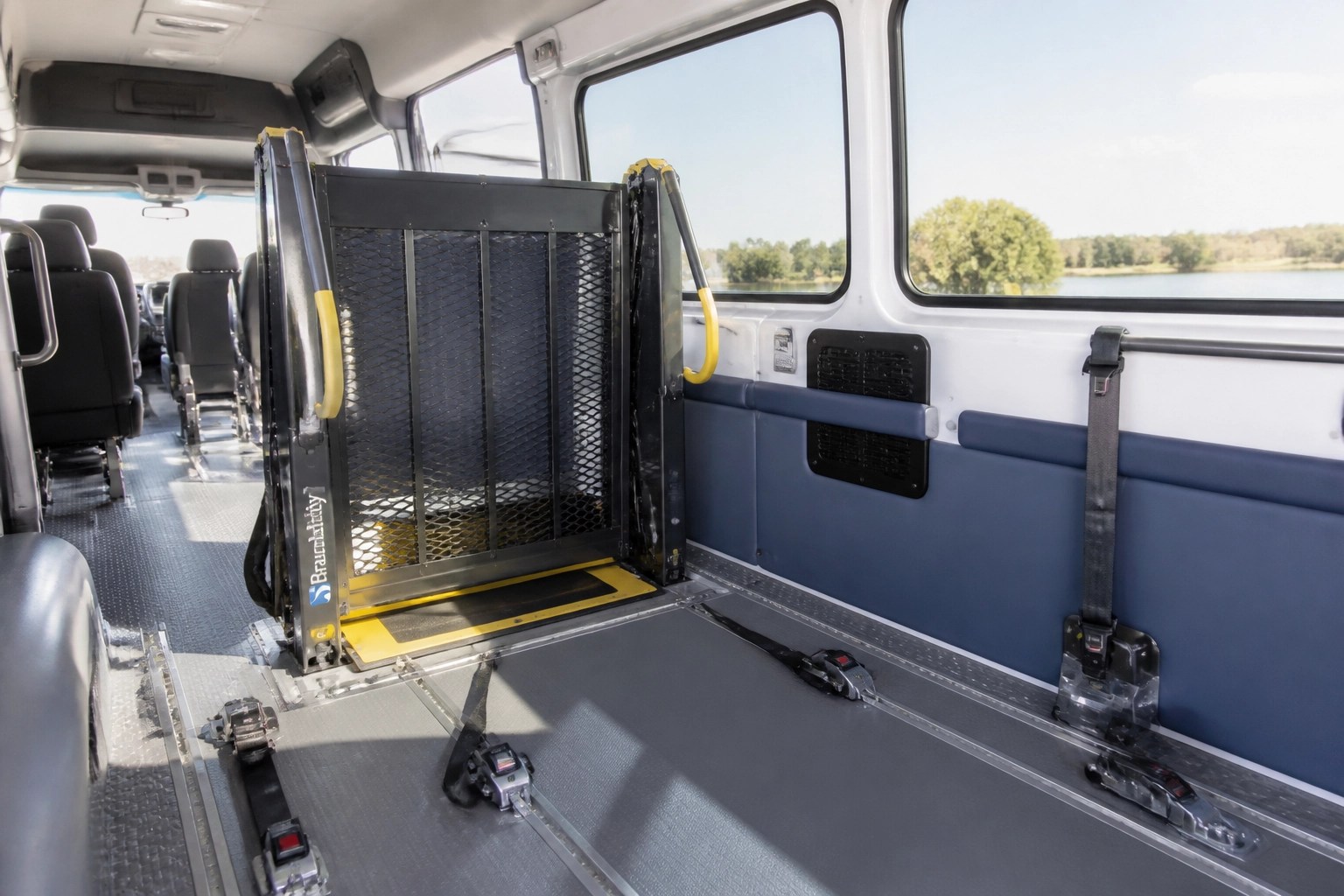
Standard rideshare drivers typically congregate in high-density urban centers where they can get back-to-back fares. For a driver in a city, a request from a rural address twenty miles away is often declined because it isn’t profitable. Even if a driver accepts, they may not have a vehicle equipped for a wheelchair, or they may not be trained to provide the "door-to-door" assistance that many patients require.
For many patients, a curb-to-curb service isn't enough. If you struggle with mobility, being dropped off at a sidewalk fifty yards from the clinic entrance is a recipe for a fall. You need more than just a car; you need a professional who understands the nuances of medical transport.
The Power of NEMT: A Better Way Forward
Non-Emergency Medical Transportation (NEMT) is the solution to the rural healthcare gap. Unlike a standard taxi or rideshare, NEMT is designed specifically for the healthcare journey. It bridges the gap between your front door and the doctor’s exam table.
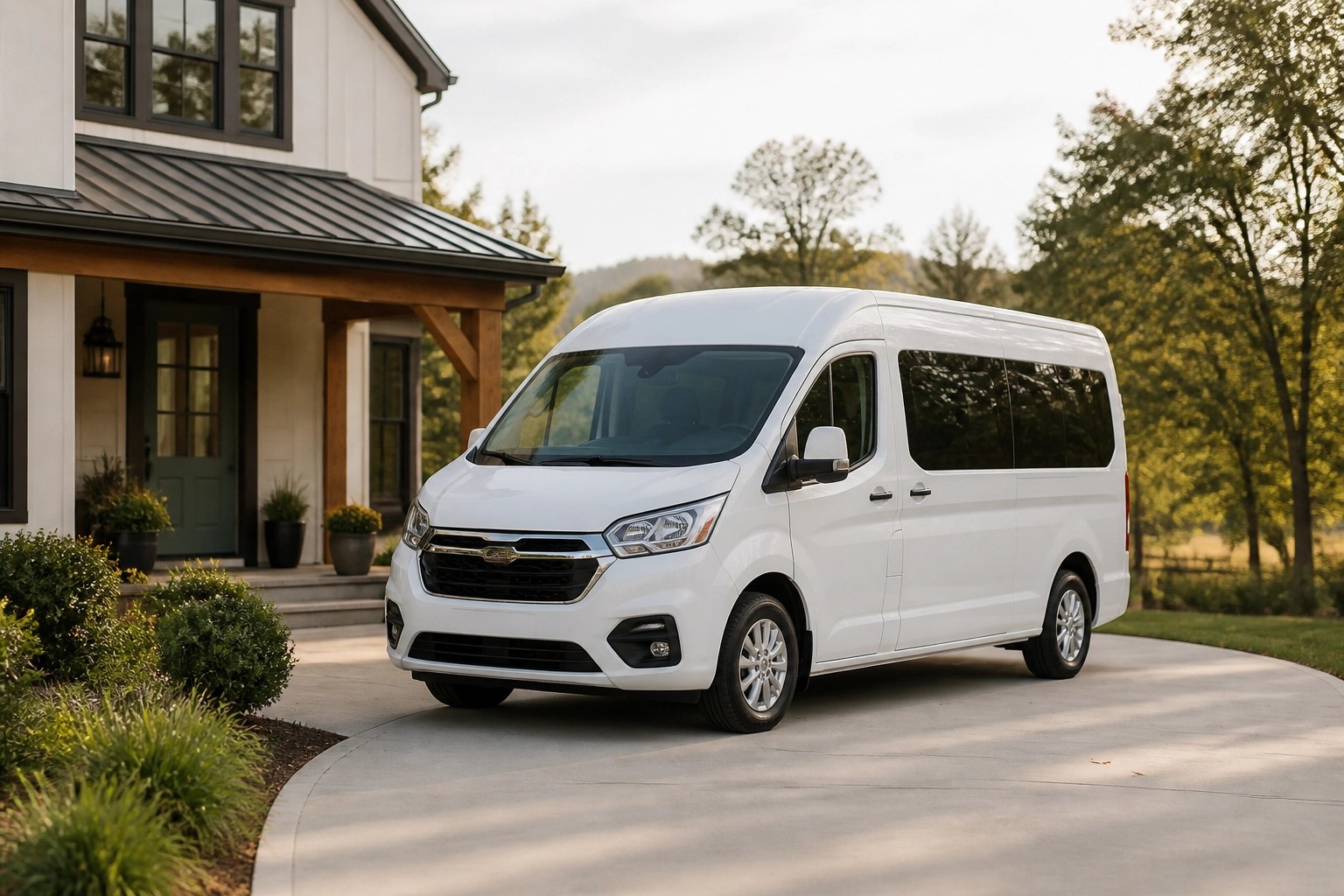
NEMT providers like Swift Ryde specialize in getting people where they need to go, regardless of their mobility level or how far they live from the city center. This isn’t just about having a van; it’s about having a dedicated system that prioritizes the patient’s schedule and physical needs.
When we talk about being "reliable," we mean that we show up when we say we will, in a vehicle that is safe and clean, driven by someone who understands that this isn't just a "fare": it’s a healthcare appointment.
How to Secure a Reliable Ride No Matter Where You Live
Getting a ride in a rural area requires a different strategy than booking a ride in the city. You cannot rely on "on-demand" services when your health is on the line. You need a plan. Here is how you can ensure you never miss an appointment again.
1. Identify Your Specific Mobility Needs
Before you book, be honest about what you need. Do you need a vehicle that can accommodate a standard wheelchair or a motorized one? Do you need the driver to walk you from your living room into the vehicle? Defining these needs upfront ensures that the right vehicle and driver are dispatched to your home. You can explore our service listings to see which options best fit your situation.
2. Check Your Insurance and Medicaid Coverage
For many patients, NEMT is a covered benefit. Medicaid, in particular, often provides transportation coverage for medical appointments because it is cheaper to pay for a van than to pay for an emergency room visit later. Call your insurance provider and ask specifically about "Non-Emergency Medical Transportation" benefits. Knowing your coverage can save you significant out-of-pocket costs.
3. Book Well in Advance
In rural areas, the "72-hour rule" is your best friend. Most specialized transport providers need a lead time to coordinate routes efficiently. Booking your ride the moment you schedule your doctor's appointment is the best way to guarantee a slot. For recurring needs, like dialysis or physical therapy, recurring bookings are a total game-changer.
4. Look for "Door-to-Door" Not "Curb-to-Curb"
If you live in a rural area with a long driveway or gravel path, "curb-to-curb" service is often useless. Ensure you are booking with a provider that offers door-to-door assistance. This means the driver helps you leave your home safely and ensures you are checked in at the clinic.
The Economic Reality of Rural Transport
We understand that for many, the cost of transportation is a major concern. It can feel like you are choosing between groceries and a ride to the doctor. However, it’s important to frame this as an investment in your independence.
When you have a reliable ride, you stay healthier. When you stay healthier, you avoid the massive costs associated with hospital stays and emergency treatments. Reliable transportation actually saves you money in the long run by keeping your health stable.
If you are a caregiver or a family member trying to coordinate care from afar, specialized transport provides peace of mind that no amount of money can buy. Knowing your loved one is in safe hands, being driven by a professional who cares, allows you to focus on support rather than logistics.
Bridging the Gap Together
At Swift Ryde, we aren't just a transportation company; we are a healthcare partner. We know the backroads, we know the long driveways, and we know the importance of a 9:00 AM appointment.
For many patients, the driver is the first person they see on their way to a difficult treatment. That interaction matters. A friendly face and a helping hand can change the entire tone of a medical day. We take that responsibility seriously.
Reliability is our brand because we know that for our rural neighbors, there is no "Plan B." You shouldn't have to worry about whether your ride will show up. You have enough on your plate dealing with your health; the ride should be the easy part.

Final Thoughts for Patients and Caregivers
Don't let the distance discourage you. If you or a loved one is struggling to get to appointments because of where you live, it’s time to look beyond traditional options. The barriers are real, but they are not insurmountable.
Start by reaching out. Whether you have questions about our B2B partnerships or just need to know how to book your first trip, we are here to help. You can always contact us to discuss your specific needs.
Your health is worth the trip. No matter how many miles lie between your front door and the doctor’s office, a reliable ride is within reach.
If you’re ready to take the stress out of your next medical visit, check your schedule and book your appointment today. We’ll see you at your door.
This post is part 2 of our 7-day series on NEMT and Healthcare Access. Stay tuned for our next post: "5 Steps to Prepare for a Wheelchair-Accessible Ride."