
Living in a rural area shouldn’t mean your health is on the line. For many patients, the single most difficult barrier to getting well isn’t the diagnosis or the treatment: it is the simple act of getting to the doctor's office. When you live miles away from the nearest clinic, a missed ride isn’t just an inconvenience. It is a threat to your recovery.
At Swift Ryde, we believe that transportation is a fundamental necessity, not a luxury service. If you live in a rural community, you already know the struggle: the big rideshare apps don't have enough drivers in your area, public transit is non-existent, and friends or family aren't always available to take a half-day off work to drive you two towns over.
It is time to talk about how to finally get a ride that actually shows up.
The Rural Gap: Why Distance is a Medical Emergency
For many patients, the geography of where they live dictates the quality of care they receive. Research shows that access to intercity transportation in rural areas dropped significantly between 2018 and 2021. This isn't just a statistic; it’s a daily reality for thousands of people who feel stranded in their own homes.
Distance creates a ripple effect. A thirty-minute drive for a city dweller might be a two-hour trek for someone in a rural county. When the distance is great, the margin for error is small. If a driver is ten minutes late in a city, it’s a nuisance. If a driver cancels in a rural area, there is often no "Plan B."
This creates a cycle of "transportation anxiety." Patients begin to fear being stranded at the clinic more than they fear the medical procedure itself. This fear leads to canceled appointments, and canceled appointments lead to worsening health conditions. It’s a cycle that needs to be broken.
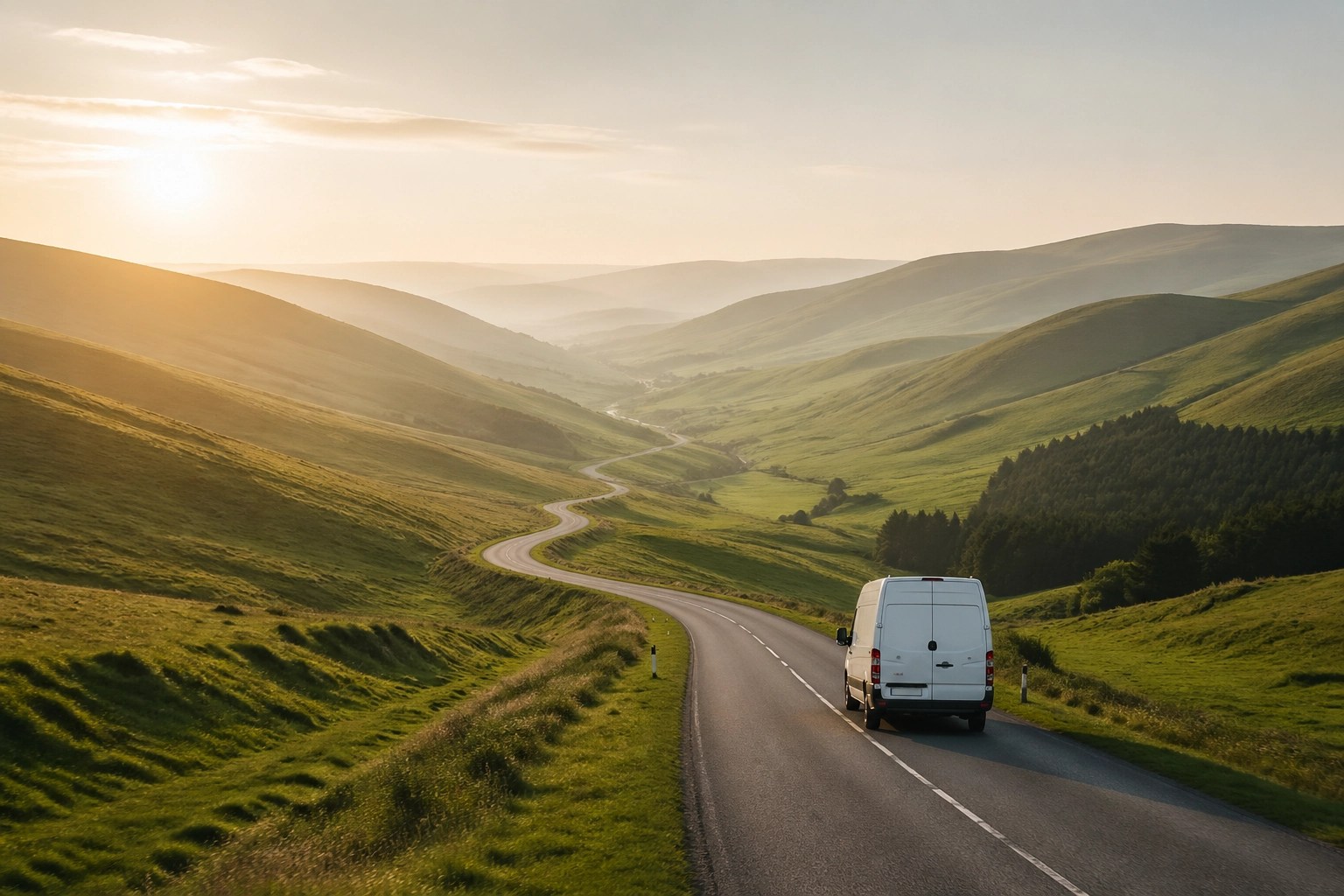
Why Standard Rideshare Fails Rural Patients
We’ve all been there: opening a popular rideshare app only to see "No cars available" or watching a driver accept a trip and then cancel three minutes later because the pickup is "too far out."
Standard rideshare services aren't built for rural healthcare. They are built for high-density urban areas where drivers can flip from one short trip to another. For many patients in rural areas, relying on a gig-economy app is a gamble they can’t afford to take.
- The "No-Show" Factor: Drivers in standard apps can choose which rides to take. If your house is twenty miles from the nearest driver, they likely won't pick up the request.
- Lack of Specialized Training: A standard driver isn't trained to assist someone with a mobility device or someone who is feeling weak after a treatment.
- The Return Trip Nightmare: Even if you get a ride to the doctor, there is no guarantee someone will be available to take you home. Being stuck in a waiting room for three hours after a grueling appointment is unacceptable.
Medical transport is different. It’s not about finding the nearest person with a car; it’s about scheduling a professional who is committed to your schedule. You can learn more about how we handle these specific needs on our services page.
NEMT: The Solution You Might Be Missing
Non-Emergency Medical Transportation (NEMT) is the specialized bridge between your home and your healthcare provider. Unlike a taxi, NEMT is a service designed specifically for the medical industry.
For many patients, NEMT is the only way to ensure a ride that shows up. These services are often covered by insurance or Medicaid, meaning the financial burden of long-distance travel is significantly reduced. But more importantly, NEMT providers like Swift Ryde operate on a "reliability first" model.
When you book a medical ride, you aren't just a "ping" on an app. You are a scheduled appointment. We know that if we don't show up, you don't get your medicine, your dialysis, or your check-up. That responsibility is what drives us.
Door-to-Door vs. Curbside: Why it Matters
In rural areas, the environment can be just as much of a barrier as the distance. Long gravel driveways, steep porches, and uneven terrain make "curbside" service useless for many patients.
A "curbside" ride means the driver stays in the car and waits for you to get to them. For someone using a walker or dealing with chronic pain, that walk to the curb can feel like a marathon.
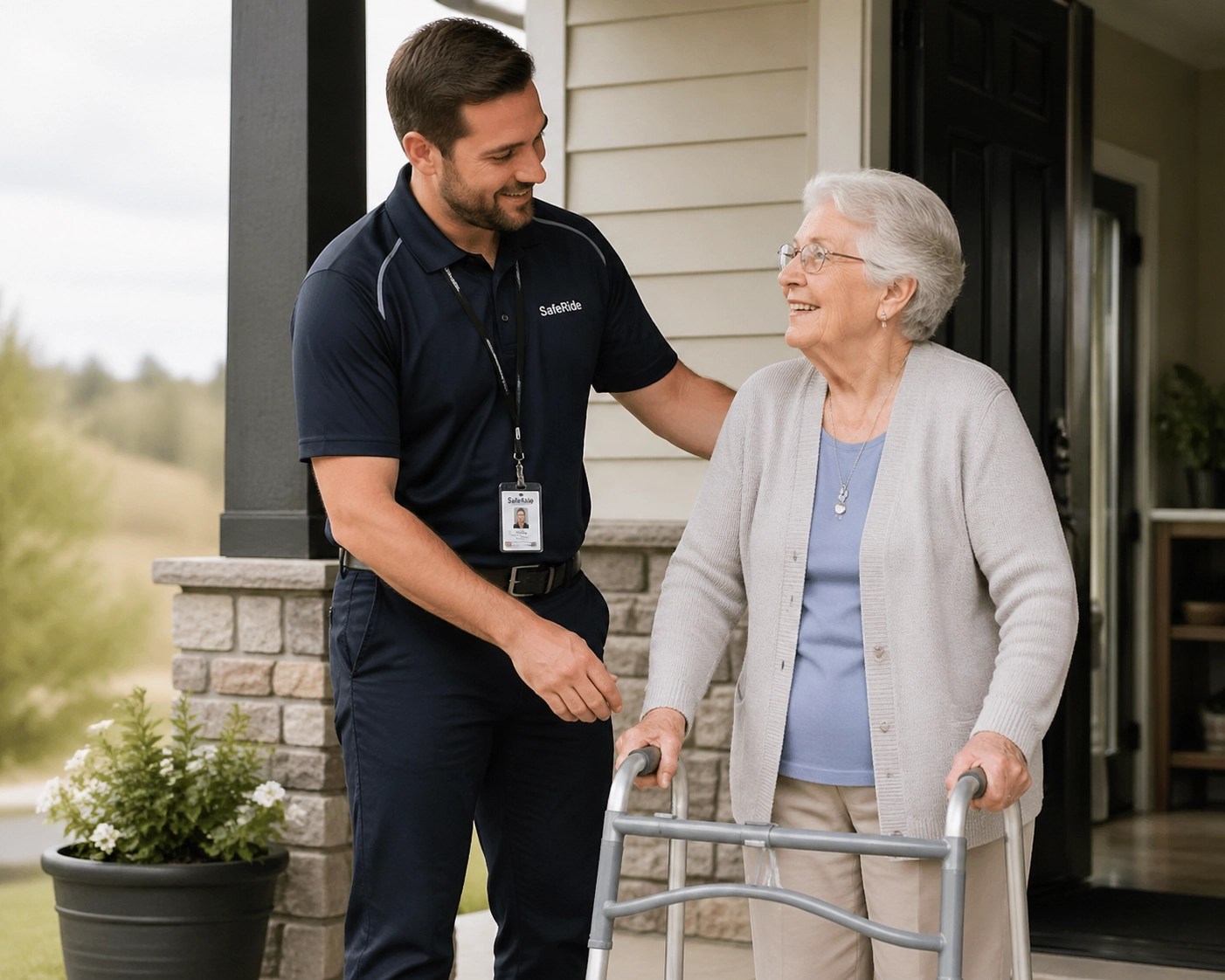
For many patients, door-to-door service is the only safe option. This means the driver meets you at your door, assists you into the vehicle, and ensures you are safely inside the clinic before they leave. This level of care isn't just about comfort; it's about safety. It's about making sure you don't fall or overexert yourself before you even get to your appointment.
Practical Steps to Secure Your Rural Medical Ride
If you are tired of the "will they show up?" game, follow these steps to secure your transportation:
1. Book in Advance
In the city, you can book a ride five minutes before you leave. In rural areas, you should be booking at least 24 to 48 hours in advance. This allows the dispatch team to route a driver specifically to your area. You can check our rider support for more tips on scheduling.
2. Verify Your Coverage
Don't assume you have to pay out of pocket. Many insurance plans and Medicaid programs include NEMT benefits specifically to help rural residents. Call your provider or check your plan details to see if transportation is a covered benefit.
3. Communicate Your Needs
Do you use a wheelchair? Do you have a long driveway that requires a specific type of vehicle? Does your treatment leave you feeling nauseous or weak? Tell your transport provider ahead of time. The more they know, the better they can prepare.
4. Ask About Recurring Bookings
If you have a recurring appointment, like dialysis or physical therapy, don't book one ride at a time. Set up a recurring schedule. This ensures you are "on the books" weeks in advance, giving you one less thing to worry about. We have a dedicated B2B section for facilities looking to coordinate these types of regular rides.
The High Cost of Missed Appointments
We need to be clear: a missed appointment is never "just" a missed appointment. For many patients, it is the beginning of a health decline.
When rural residents can't get to their primary care doctor, they wait until the problem becomes an emergency. This leads to more ER visits, higher medical bills, and worse outcomes. Transportation is a form of preventative medicine. By ensuring you have a reliable way to get to your regular check-ups, you are taking the single most important step in managing your long-term health.
A Note to Caregivers
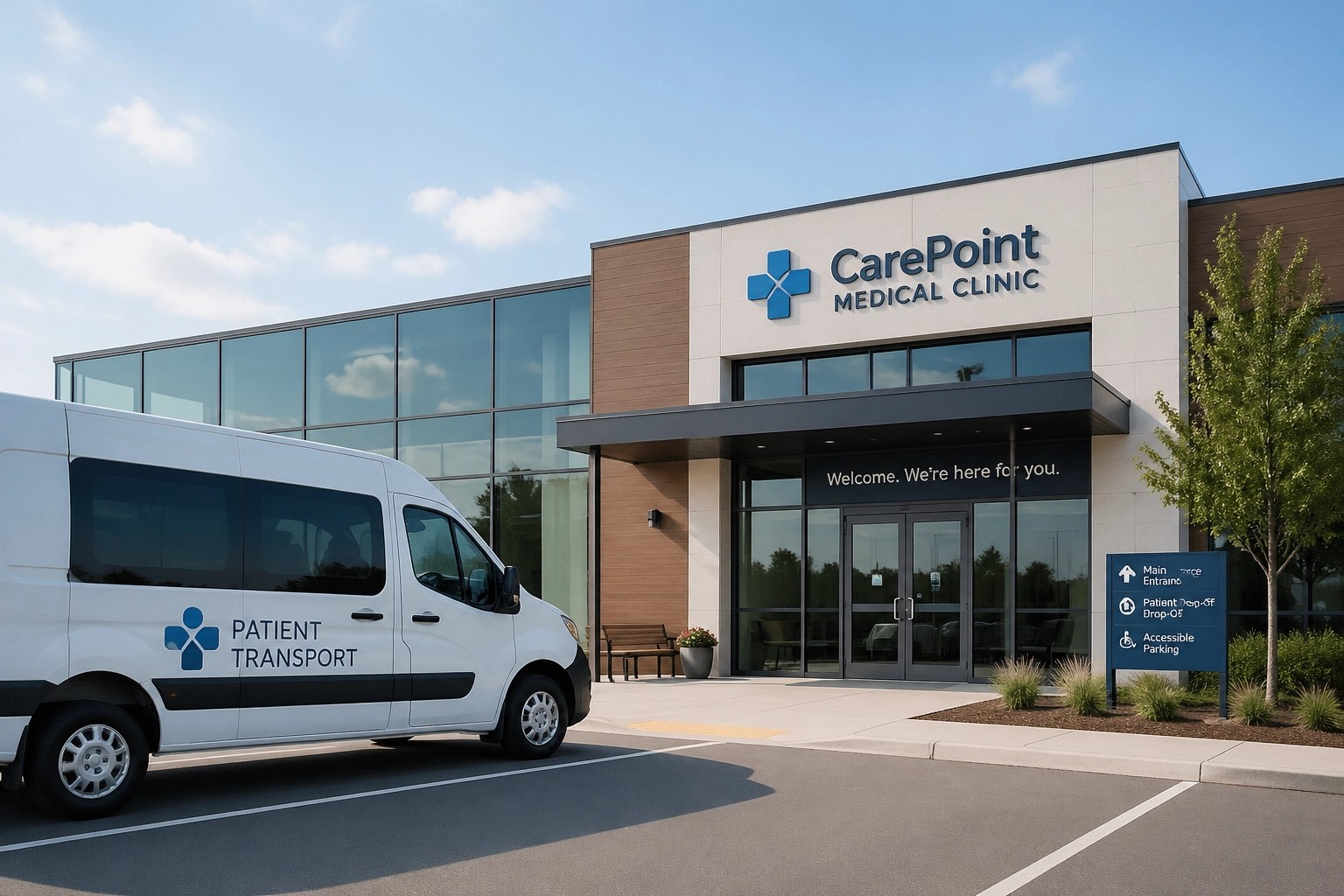
We know the weight you are carrying. For many caregivers, the stress of logistics is often harder than the physical care itself. You shouldn't have to spend your entire morning on the phone trying to find a ride for your loved one.
Using a professional NEMT service like Swift Ryde allows you to be a daughter, a son, or a spouse again, rather than just a dispatcher. It provides the peace of mind that comes with knowing a professional is handling the road, so you can handle the care.
How Swift Ryde is Changing the Map
At Swift Ryde, we are committed to closing the gap for rural patients. We don't see "long distances" as a reason to decline a ride; we see them as the reason why our service is necessary.
Our drivers are trained to handle the specific needs of medical patients. We understand the nuances of rural navigation and the importance of punctuality. We believe that everyone deserves access to healthcare, regardless of their zip code.
If you are struggling to find a ride that shows up, we want to help. You can view our listing of services or contact us directly to discuss your specific needs.
Rural healthcare access matters. You’ve done the hard work of managing your health; let us do the hard work of getting you there.
This is part 2 of our 7-day series on NEMT reliability and healthcare access. Stay tuned for our next post: "5 Steps to Prepare for a Wheelchair-Accessible Ride."