
Your zip code should never determine your health outcomes. It sounds like a simple principle, but for millions of Americans, the distance between their front door and the nearest specialist is the single most difficult barrier to staying healthy.
For many patients, living in a rural area or a remote suburb isn't just about peace and quiet. It’s about the constant anxiety of wondering how to get to a 9:00 AM oncology appointment when you don’t drive and the nearest bus stop is five miles away. At Swift Ryde, we believe that transportation isn't a luxury or a comfort: it is a fundamental necessity. If you can’t get to the doctor, the best medical technology in the world doesn't matter.
In this guide, we’re breaking down how to secure reliable medical transport, no matter where you live. This is the first part of our 7-day series dedicated to Non-Emergency Medical Transportation (NEMT) reliability, rural access, and specialized care.
The Invisible Barrier: Why Geography Shouldn't Stop Care
For many patients, the struggle for healthcare access begins long before they see a doctor. It starts in the driveway. Rural healthcare access matters because the "medical desert" is a reality for a huge portion of the population. When you live in a remote zip code, a routine check-up becomes a half-day expedition.
Standard rideshare apps often fail in these areas. Drivers are scarce, wait times are unpredictable, and most standard vehicles aren't equipped for patients with mobility aids. This is where specialized medical transport fills the gap. Reliable transportation is the bridge that connects remote patients to life-saving treatments.

Understanding Your NEMT Options
Getting a ride shouldn't be a guessing game. Depending on your insurance and your location, there are several ways to bridge the gap.
1. Medicaid-Funded NEMT
For many patients, Medicaid is the primary source for medical transit. In states like Texas, eligible clients can receive free rides to doctors, hospitals, and pharmacies. These are typically coordinated through managed care plans. If you are on Medicaid, your first step should always be checking your specific plan’s NEMT benefits. These services are designed specifically for those who have no other way to reach their appointments.
2. Private Transportation Networks
When public options aren't available or don't meet your specific needs, private networks provide a higher level of reliability. Companies like Modivcare and MTM Health operate across multiple states, matching patients with vehicles that range from standard sedans to wheelchair-accessible vans.
3. Specialized Door-to-Door Services
This is where the difference between a "ride" and "transportation" becomes clear. For many patients, getting to the curb is only half the battle. They need help getting out of the house, into the vehicle, and into the clinic. At Swift Ryde, we focus on chauffeur-hailing and intercity rides that prioritize the patient's physical safety and comfort.
Why Standard Rideshare Isn’t the Answer for Remote Patients
It’s tempting to open a standard rideshare app and hope for the best. But for medical appointments, "hoping for the best" is a dangerous strategy.
For many patients, a canceled ride isn't just an inconvenience: it’s a missed treatment that could set their recovery back by months. Standard rideshare drivers are not trained in patient sensitivity, nor are their vehicles inspected for medical safety standards. If you are heading to a travel transfer or a critical specialist, you need a guarantee, not a gamble.
How to Secure a Reliable Ride in Remote Areas
If you live in a zip code where "Ubers are 20 minutes away" is the norm, you need a different strategy. Here is how you ensure you never miss an appointment.
Book by the Hour
One of the most effective ways to handle remote medical visits is to book transportation by the hour. This eliminates the "will they show up for the return trip?" anxiety. When you have a dedicated driver waiting for you, you don't have to worry about being stranded at a clinic miles from home. You can learn more about this in our services listing.
Utilize Recurring Bookings
If you have chronic conditions requiring regular visits: such as dialysis or physical therapy: recurring bookings change everything. For many patients, the mental load of scheduling a ride every three days is exhausting. Setting up a recurring schedule ensures that your transport is a fixed part of your care plan, not an afterthought.
Confirm the Vehicle Type
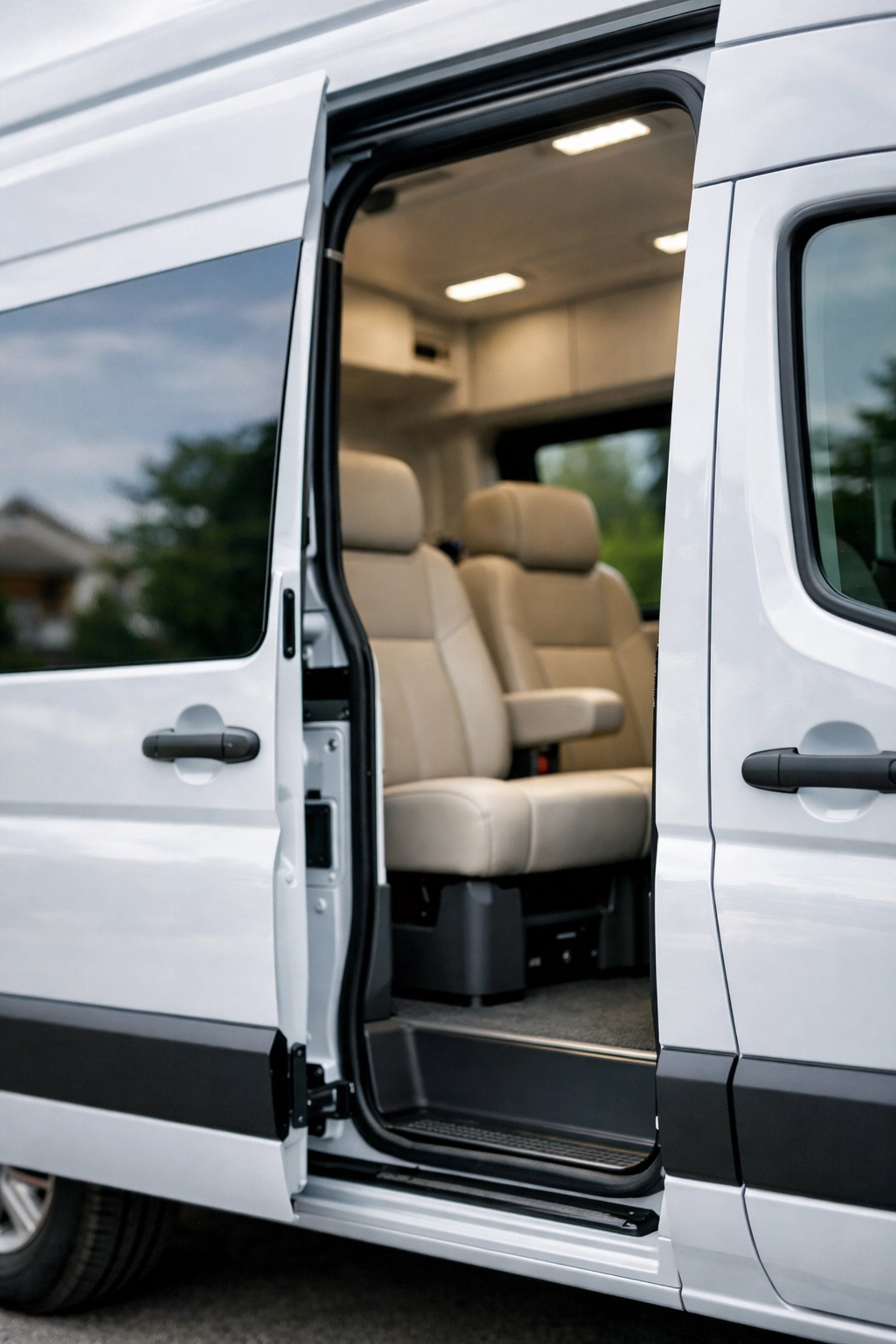
Don't assume every car can fit a walker or a wheelchair. Always specify your needs upfront. Whether you need a sprinter class vehicle for extra space or a specialized wheelchair lift, clear communication is the only way to avoid day-of disasters.
The Reality of Rural Healthcare Access
Rural healthcare access is about more than just miles; it’s about time and resources. For many patients in remote areas, the nearest specialist might be in a different city entirely. This is why intercity rides are a vital part of the healthcare ecosystem.
When a patient in a small town needs a specialist in a major hub like Dallas or Houston, the logistics are daunting. A reliable NEMT provider understands these long-distance requirements and provides a level of comfort that a standard taxi simply cannot match.

5 Steps to Prepare for Your Medical Ride
To make sure your remote patient access goes smoothly, follow these steps:
- Schedule 48-72 Hours in Advance: Never wait until the morning of your appointment. In remote zip codes, drivers need lead time to coordinate their routes.
- Provide Exact Entry Instructions: Does your driveway have a gate code? Is your house difficult to see from the main road? Clear directions save precious minutes.
- Prepare Your Mobility Aids: Ensure your wheelchair or walker is ready to go by the door. If you require a ramp, make sure the path is clear.
- Keep a Contact Number Handy: Ensure you have the direct line to the dispatcher or the rider support team.
- Confirm the Appointment with Your Doctor: There is nothing worse than arriving at a clinic only to find the appointment was moved. Double-check the time and the suite number.
Removing the Barrier: A New Standard of Care
Transportation is the "missing link" in modern medicine. We have incredible doctors and life-saving medications, but they are useless if the patient is stuck at home. For many patients, the stress of the journey is worse than the medical procedure itself. It shouldn't be this way.
By choosing a provider that understands the nuances of B2B healthcare transport and individual patient needs, you are taking control of your health. You are moving from a state of "hoping I can get there" to "knowing I will be there."
Looking Ahead: Our 7-Day Series
This post is just the beginning. Over the next week, we will be diving deep into the specifics of making medical transport work for you. We’ll cover:
- The Quick-Start Guide to Booking Medical Rides by the Hour: How to maximize your time and minimize your stress.
- 5 Steps to Prepare for a Wheelchair-Accessible Ride: Everything you need to know to ensure a smooth transition from home to vehicle.
- Why Recurring Bookings Change Everything: A deep dive into how dialysis and chronic care patients can automate their lives.
- Medical Transport vs. Rideshare: A head-to-head comparison of why "cheap" rides often cost more in the long run.
- How to Book a Door-to-Door Medical Ride: A final recap on the mechanics of securing your transport.

Final Thoughts from the CEO
At Swift Ryde, we don't just see ourselves as a transportation company. We see ourselves as a healthcare partner. Every ride we complete is a victory for patient access. Whether you are in a bustling city center or a zip code with more cows than people, you deserve to get to your doctor safely, on time, and with dignity.
If you’re struggling with remote access or need a hand navigating your options, don't hesitate to reach out to our contact team. We are here to make sure your next ride is the easiest part of your day.
Your health is too important to leave to chance. Let’s get you there.
Want to stay updated on the latest in patient transport and healthcare access? Check out our blog for more insights and guides.