
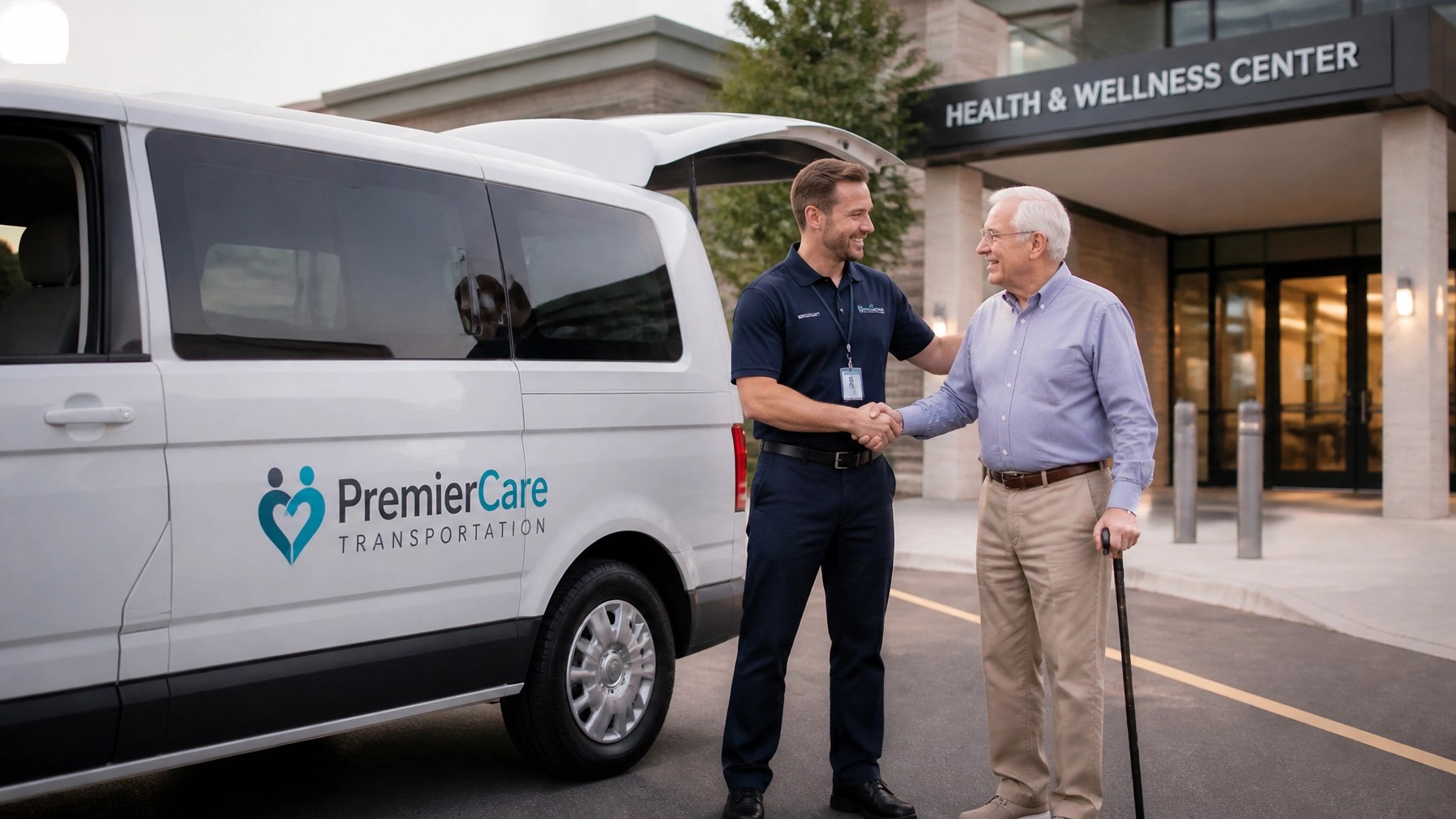
Transportation should never be the single most difficult barrier to staying healthy. For many patients, the distance between their front door and the doctor’s office is the most stressful part of their treatment plan. When you have specialized care needs, whether it’s a wheelchair, regular dialysis, or recovery from surgery, how you get to your appointment matters as much as the appointment itself.
In a world where you can summon a car with a swipe of a thumb, it’s tempting to think of rideshare apps as a quick fix for medical trips. But for those managing complex health journeys, a ride isn't just a convenience; it’s a critical link in their clinical care.
Today, we’re breaking down the fundamental differences between Non-Emergency Medical Transportation (NEMT) and standard rideshare services. Choosing the right one isn't just about the price, it's about dignity, safety, and ensuring you never miss the care you need.
The Rideshare Reality: Convenience vs. Capability
For many patients, rideshare services like Uber or Lyft seem like the obvious choice. They are fast, familiar, and available at the touch of a button. If you are fully mobile, independent, and just heading to a routine checkup, these services can be a great tool.
However, rideshare is built for the general public, not for patients.
A rideshare driver’s job is to get you from point A to point B as quickly as possible. They are not trained in patient handling. They are not required to assist you out of your home. And perhaps most importantly, their vehicles are rarely equipped to handle specialized medical equipment. For a patient with mobility challenges, a standard sedan can feel like an obstacle rather than a solution.
Safety Isn’t a Comfort, It’s a Requirement
When you book a ride with a professional NEMT provider like Swift Ryde, you aren't just getting a driver; you’re getting a trained professional.
NEMT drivers undergo rigorous training that rideshare drivers simply don’t receive. This includes:
- CPR and First Aid Certification: Knowing what to do if a patient becomes distressed during transit.
- ADA Compliance: Understanding the legal and practical requirements for transporting individuals with disabilities.
- Sensitivity Training: Acknowledging the physical and emotional challenges that come with chronic illness or aging.
- Securement Protocols: Ensuring wheelchairs and walkers are properly locked down to prevent injury during the drive.
For many patients, knowing their driver understands their specific health situation provides a level of peace of mind that no rideshare app can match. Safety shouldn't be an afterthought; it should be the foundation of every trip.
Door-to-Door vs. Curb-to-Curb: The "Hand-off" Factor
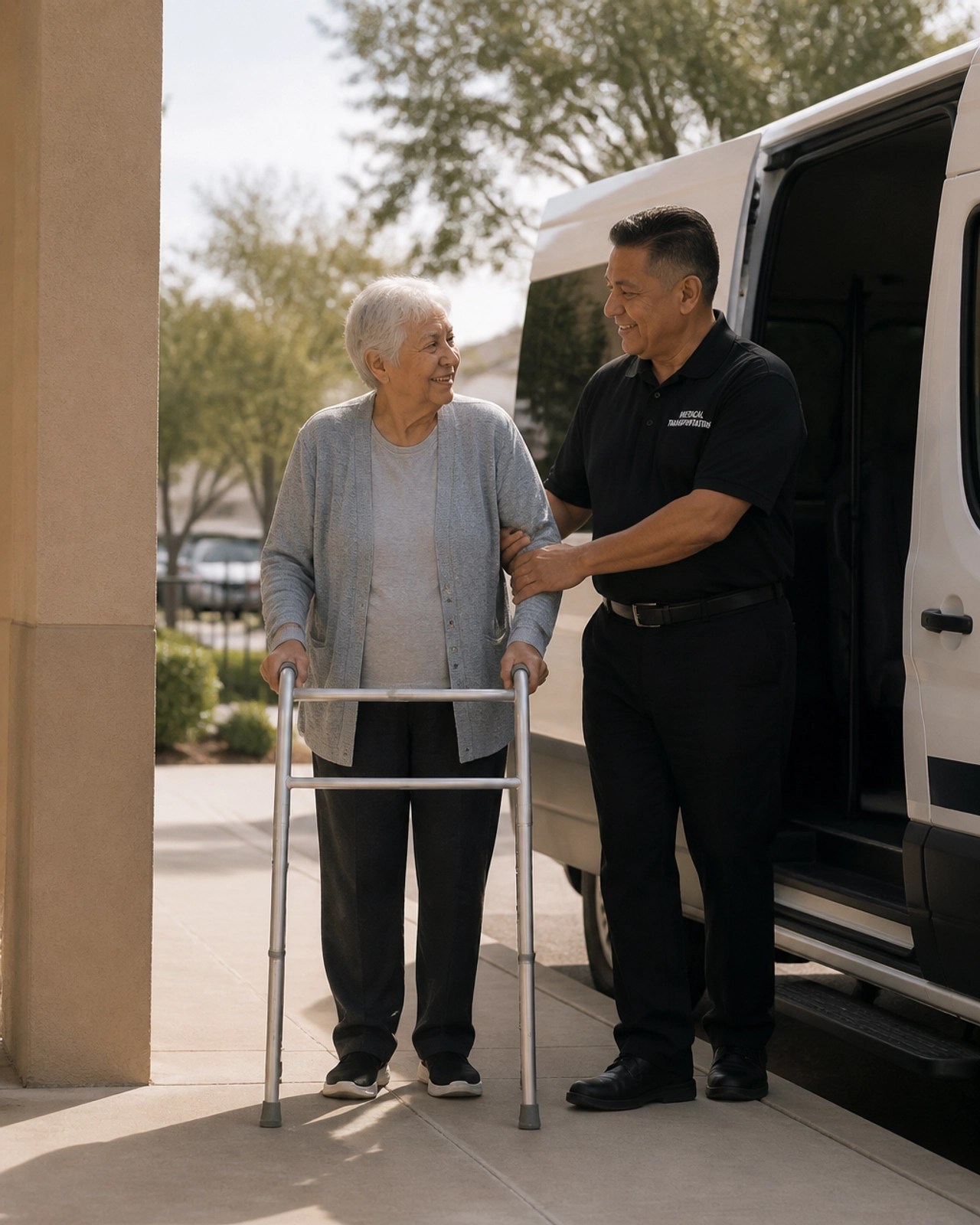
One of the most significant differences between these two services is the "hand-off." Rideshare is almost exclusively a "curb-to-curb" service. The driver pulls up to the curb, and the passenger is responsible for getting themselves to the car and, later, from the car into the medical facility.
For a patient recovering from a hip replacement or someone dealing with the fatigue of chemotherapy, that fifty-foot walk to the curb can feel like a mile.
NEMT is designed to be door-to-door or even door-through-door. At Swift Ryde, our mission is to remove transportation as a barrier. That means we don't just wait at the curb. We meet you at your door, assist you into the vehicle, and ensure you are safely inside your clinic or hospital before we leave.
This human-centered approach prioritizes patient dignity. You are a person with a destination, not just a "fare" on a map.
Specialized Equipment and Vehicle Capabilities
If you use a wheelchair or a motorized scooter, the limitations of rideshare become clear very quickly. While some rideshare platforms offer "Assist" or "WAV" (Wheelchair Accessible Vehicle) options, they are often unavailable in many areas, especially in remote or rural locations.
NEMT providers specialize in these exact needs. Our fleet includes vehicles with ramps, lifts, and expanded interior space designed specifically for medical transit.
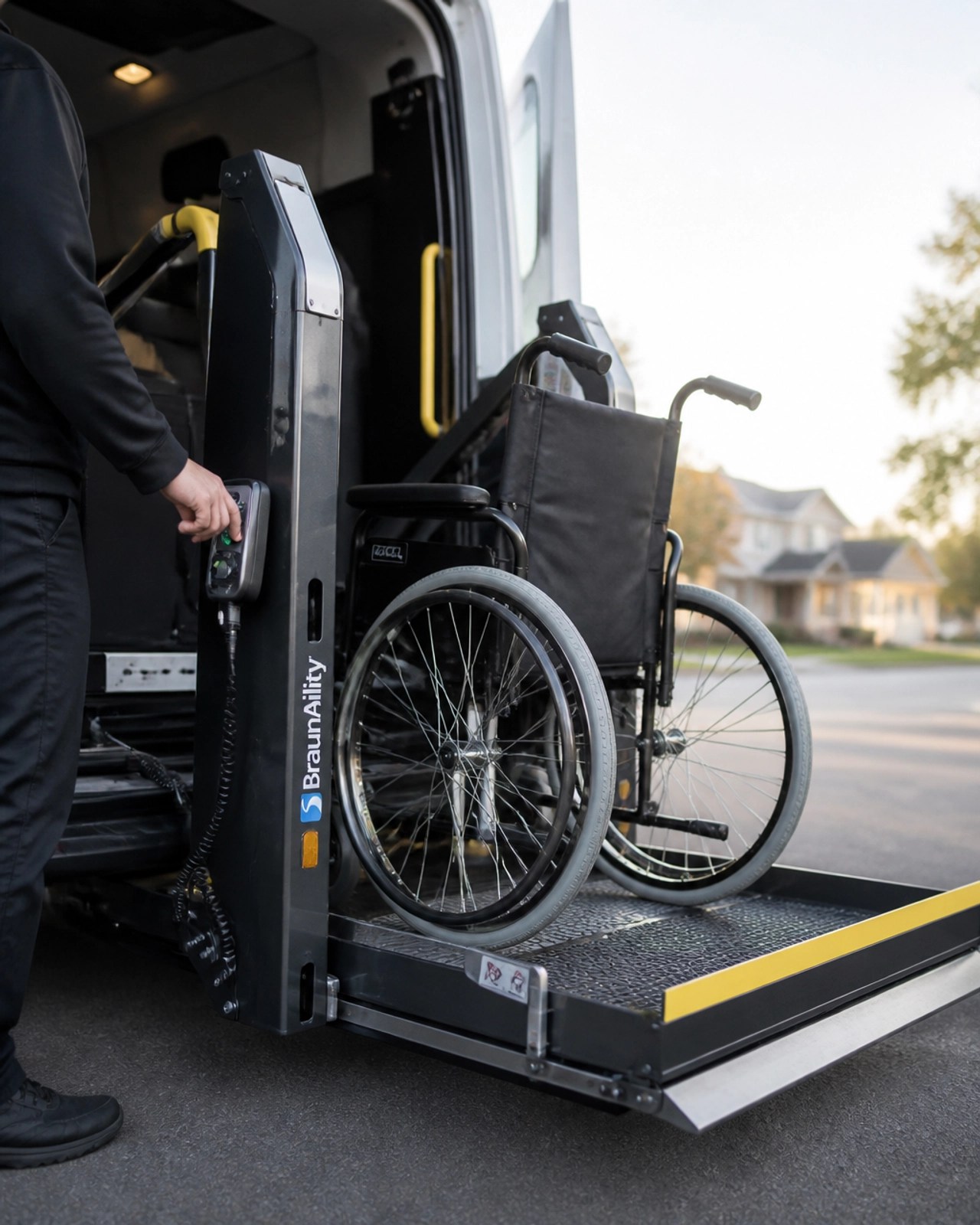
For many patients, having a guaranteed, accessible vehicle isn't a luxury; it’s the only way they can get to their appointments. Whether it's a sprinter-class vehicle for extra space or a van equipped with specialized tie-downs, NEMT ensures the vehicle fits the patient, rather than forcing the patient to fit the vehicle.
Reliability and the End of "Surge Pricing"
We’ve all been there: you open a rideshare app during a busy time, and the price has doubled, or worse, there are no drivers available. When you’re heading to a high-stakes appointment like dialysis or a specialist consultation, "no drivers available" is not an acceptable answer.
Rideshare drivers can choose which rides they accept. They can cancel if they don't want to deal with a folding walker or if they find a more "profitable" fare.
NEMT operates on a different model. Our booking system allows for scheduled, guaranteed rides.
- No Surge Pricing: Your health needs don't change based on traffic or weather, and neither should your fare.
- Recurring Bookings: For treatments like dialysis that happen three times a week, you can set a recurring schedule. You don't have to worry about finding a ride every Monday morning; we’re already there.
- Accountability: We track our vehicles and our drivers. If there’s a delay, you’re informed. You aren't left waiting on a sidewalk wondering if your ride is coming.
Specialized Care: Who Benefits Most from NEMT?
While anyone can use NEMT, it is specifically designed for:
- Elderly Patients: Who may need a steady hand and a patient driver.
- Individuals with Mobility Challenges: Users of wheelchairs, walkers, or scooters.
- Patients with Regular Treatments: Those undergoing dialysis, chemotherapy, or physical therapy.
- Rural Residents: For many patients in remote areas, rideshare simply doesn't exist. NEMT bridges that gap, ensuring rural healthcare access is a reality.
- Post-Surgical Patients: Those who are medically stable but too weak to navigate a standard car or walk to a curb.
Making the Right Choice for Your Health
When you are deciding between NEMT and rideshare, ask yourself one question: Is this ride part of my healthcare?
If the answer is yes, then the choice becomes clear. Rideshare is a transportation tool. NEMT is a healthcare service.
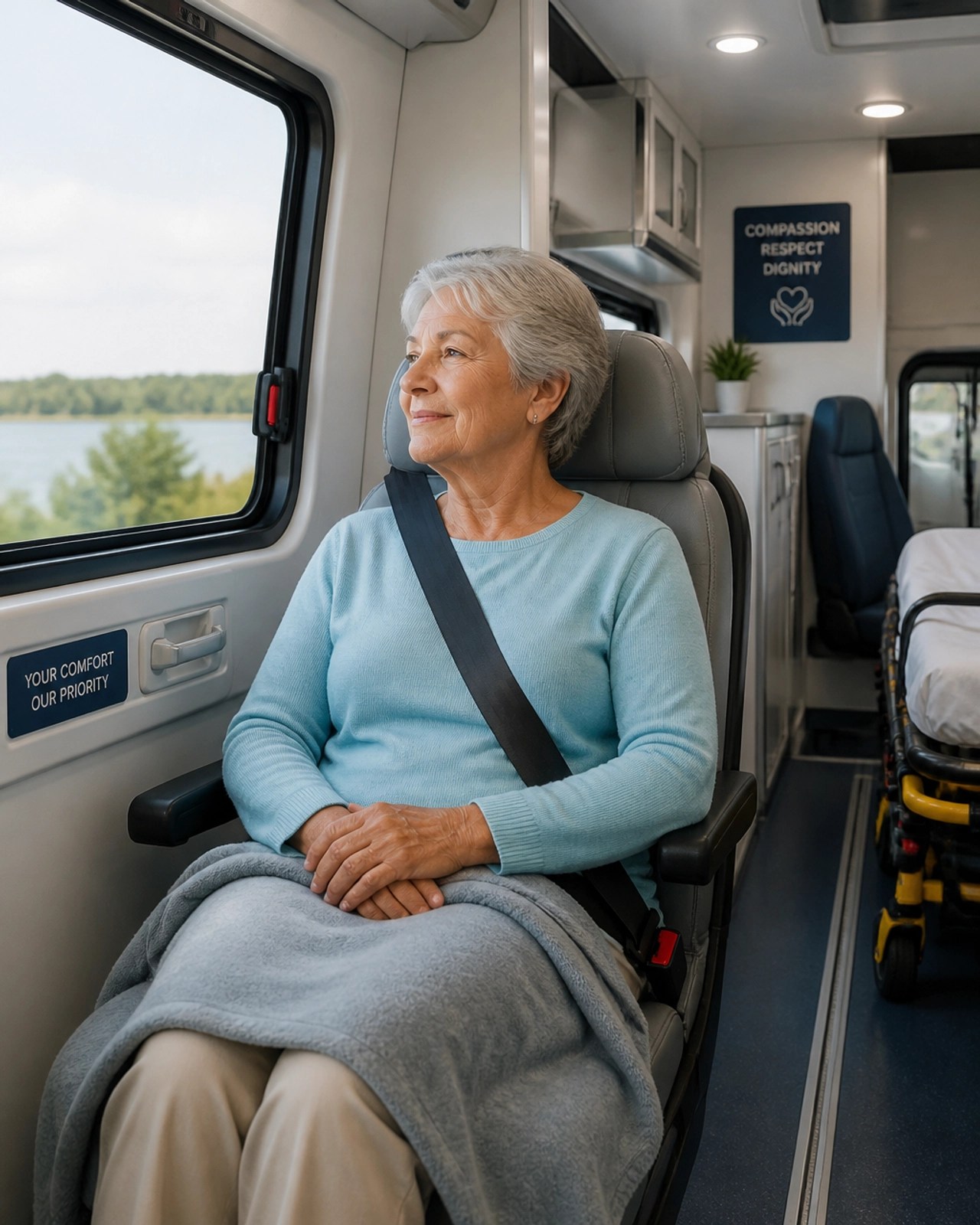
At Swift Ryde, we believe that the journey to the clinic is the first step in the healing process. By choosing a service that prioritizes reliability, respect, and specialized care, you are taking control of your health. You are ensuring that transportation is no longer a barrier, but a bridge to the care you deserve.
The single most important thing is that you get to your appointment. Don't leave that to chance. Choose the service that was built for you.
This post is part 5 of our 7-day series on NEMT reliability and patient care. Ready to experience the Swift Ryde difference? Check out our services or book your door-to-door ride today.