
For many patients, a missed appointment isn't just a scheduling conflict: it’s a setback in their recovery. Transportation should never be the single most difficult barrier between a person and the care they need. Yet, every day, thousands of patients struggle to find a ride that understands their specific physical and medical requirements.
When you need to get to a specialist or a dialysis clinic, the choice usually comes down to two options: a standard rideshare app or a professional Non-Emergency Medical Transportation (NEMT) service. On the surface, they might look similar. You book a ride, a vehicle shows up, and you go to your destination.
But for anyone with specialized healthcare needs, the differences are massive. The gap between a curb-to-curb rideshare and a door-to-door medical transport can be the difference between a safe trip and a dangerous one.
The Problem With "Curb-to-Curb" Service
Standard rideshare services are designed for convenience, not care. They excel at moving independent, ambulatory people from one sidewalk to another. However, for many patients, the journey doesn't start at the curb. It starts in the living room, the bedroom, or the third-floor apartment.
Rideshare drivers are typically instructed to remain in their vehicles. Their responsibility ends at the curb. For a patient with mobility challenges, a visual impairment, or post-operative weakness, getting from the front door to the car is often the hardest part of the day.
Medical transport isn't a luxury; it’s a necessity that bridges that gap. At Swift Ryde, we operate on a human-centered approach. We don't just wait for you outside. We offer door-to-door service, ensuring you are safely escorted from your home and settled comfortably into the vehicle. You can read more about why this level of care is critical in our guide to NEMT reliability.
Specialized Equipment Is Not Optional
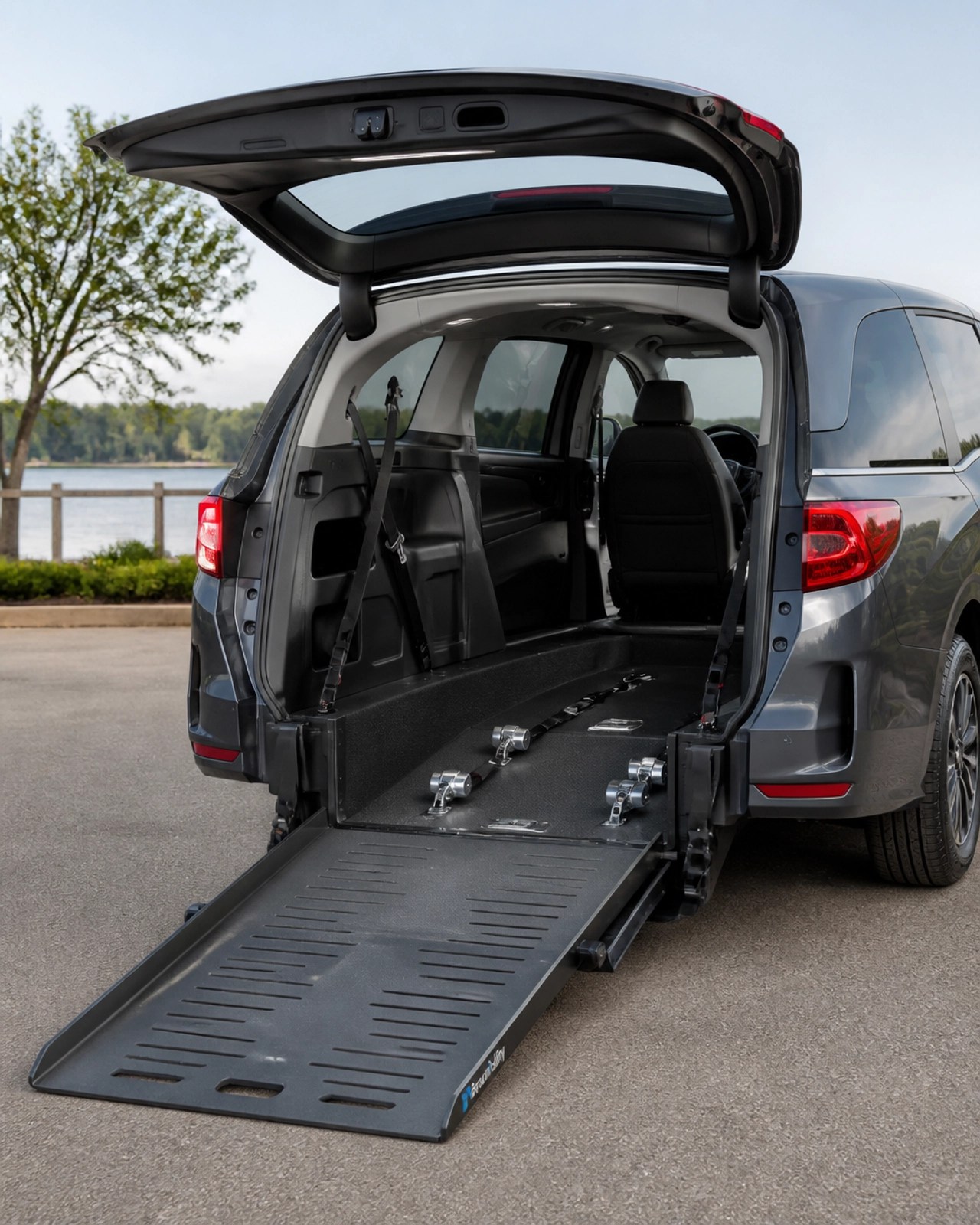
For many patients, a standard sedan is physically impossible to use. If you use a power wheelchair, require oxygen, or need bariatric support, a regular rideshare vehicle simply cannot accommodate you.
While some rideshare platforms offer "accessible" options, they are often inconsistent and unavailable in many areas, especially as you move away from major city centers. This lack of specialized equipment creates a "transportation desert" for the people who need healthcare the most.
Professional medical transport vehicles are built for these exact needs. They feature:
- Heavy-duty ramps and lifts that are regularly inspected for safety.
- Securement systems (tie-downs) that ensure a wheelchair remains stationary during the drive.
- Increased cabin space for patients who cannot sit in a traditional car seat.
- Safety features specifically designed for medical stability.
If your health depends on specialized equipment, you shouldn't have to "hope" that a suitable vehicle shows up. You deserve the certainty that comes with a dedicated NEMT provider.
The Reliability Gap in Critical Care
Reliability is the single most important factor for patients undergoing recurring treatments like dialysis or chemotherapy. For many patients, these appointments are life-sustaining. A "no-show" or a late arrival isn't just an annoyance; it’s a clinical risk.
The "on-demand" model of rideshare is built on algorithms and driver availability. If no drivers are nearby or if they don't feel like taking a certain route, your ride might be canceled at the last minute. For a dialysis patient, this uncertainty is a source of immense stress.
NEMT providers like Swift Ryde specialize in recurring bookings for dialysis. We understand your schedule. We know that being on time is a medical requirement, not a suggestion. By booking ahead, you remove the gamble of the "on-demand" market and replace it with a professional commitment.
Training and the Human Element
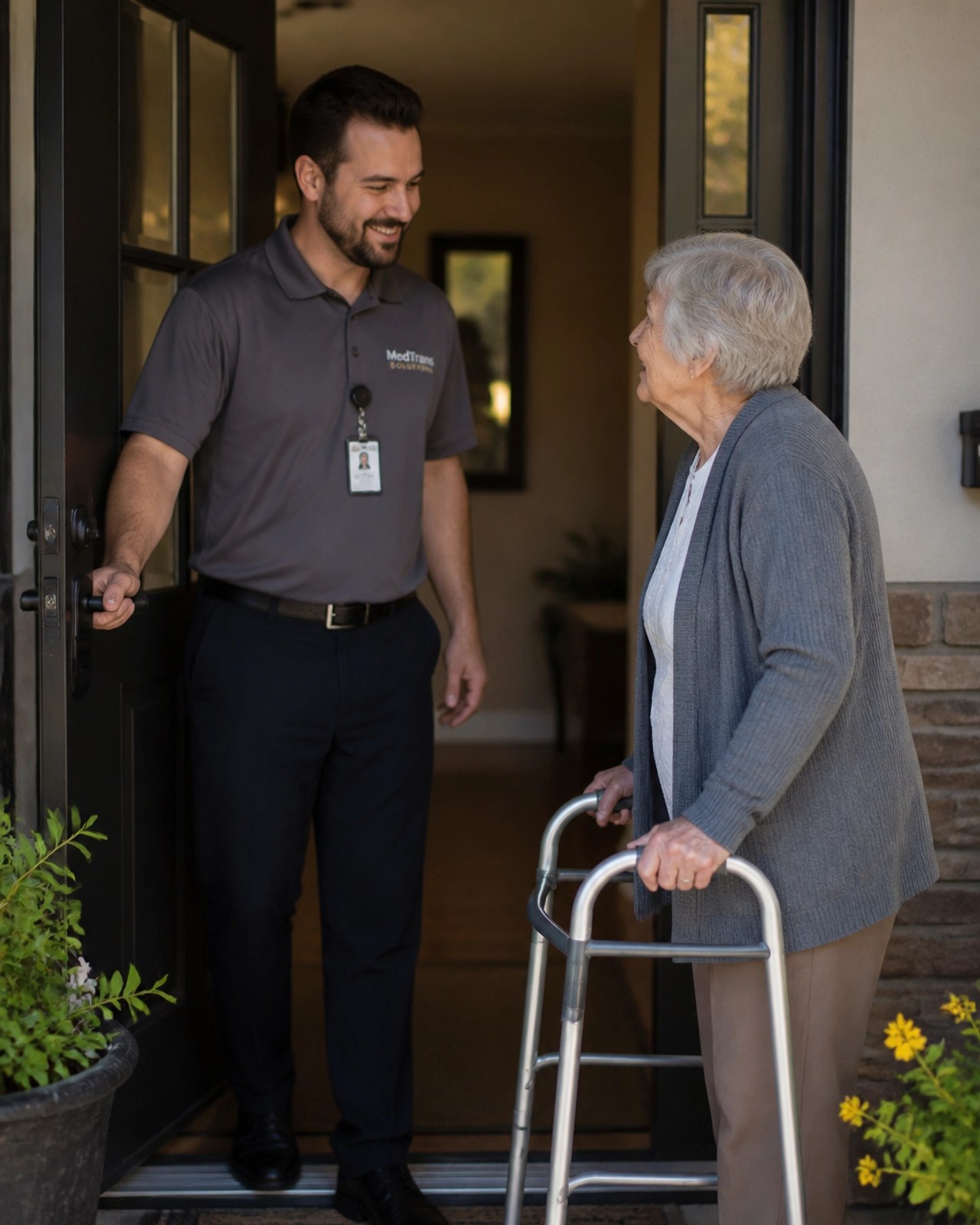
Who is behind the wheel matters. In a standard rideshare, the driver is a private contractor with a standard license and no specialized training in patient care. They may be excellent drivers, but they aren't prepared for a medical emergency or a patient with complex physical needs.
Medical transport drivers undergo rigorous training that includes:
- Patient handling and transfers: Knowing how to assist someone without causing injury.
- CPR and First Aid: Being prepared if a patient becomes unstable during the trip.
- Sensitivity training: Understanding how to interact with seniors and individuals with cognitive impairments like dementia.
- HIPAA compliance: Ensuring your medical information and privacy are respected at all times.
For many patients, the driver is more than just a navigator; they are a part of the care team. This relationship is built on trust and professional standards that rideshare platforms simply aren't equipped to provide. If you're looking to simplify your booking process while maintaining this high level of care, check out how to book your medical ride in 5 minutes.
Managing the Stress of the Trip
The goal of specialized medical transport is to reduce the "cognitive load" on the patient and the caregiver. Managing a chronic illness is hard enough; you shouldn't have to manage the logistics of a complicated commute as well.
When you use a professional service, the logistics are handled for you. From knowing exactly where the hospital drop-off zone is to understanding how to navigate complex medical campuses, an NEMT driver brings a level of expertise that saves time and reduces anxiety.
For many patients, the peace of mind that comes with knowing a professional is in charge is the most valuable part of the service. You aren't just paying for a ride; you're paying for the assurance that you will arrive at your appointment ready to focus on your health, not the traffic.
Making the Right Choice
So, which is better for your specialized healthcare needs?
Choose Rideshare if:
- You are fully ambulatory and can walk/transfer without assistance.
- You have no cognitive or sensory impairments that require supervision.
- The appointment is a low-stakes, one-off visit where a delay wouldn't impact your health.
- You are comfortable waiting at the curb.
Choose Medical Transport (NEMT) if:
- You use a wheelchair, walker, or require bariatric support.
- You need door-to-door or door-through-door assistance.
- Your appointment is critical (dialysis, oncology, surgery).
- You live in a rural or remote area where rideshare coverage is spotty.
- You want a driver who is trained in patient care and safety.
At Swift Ryde, we believe that your health should never be limited by your zip code or your mobility. We are dedicated to removing transportation as a barrier to healthcare. Whether you are in a bustling city center or a remote landscape, we provide the unwavering reliability you deserve.
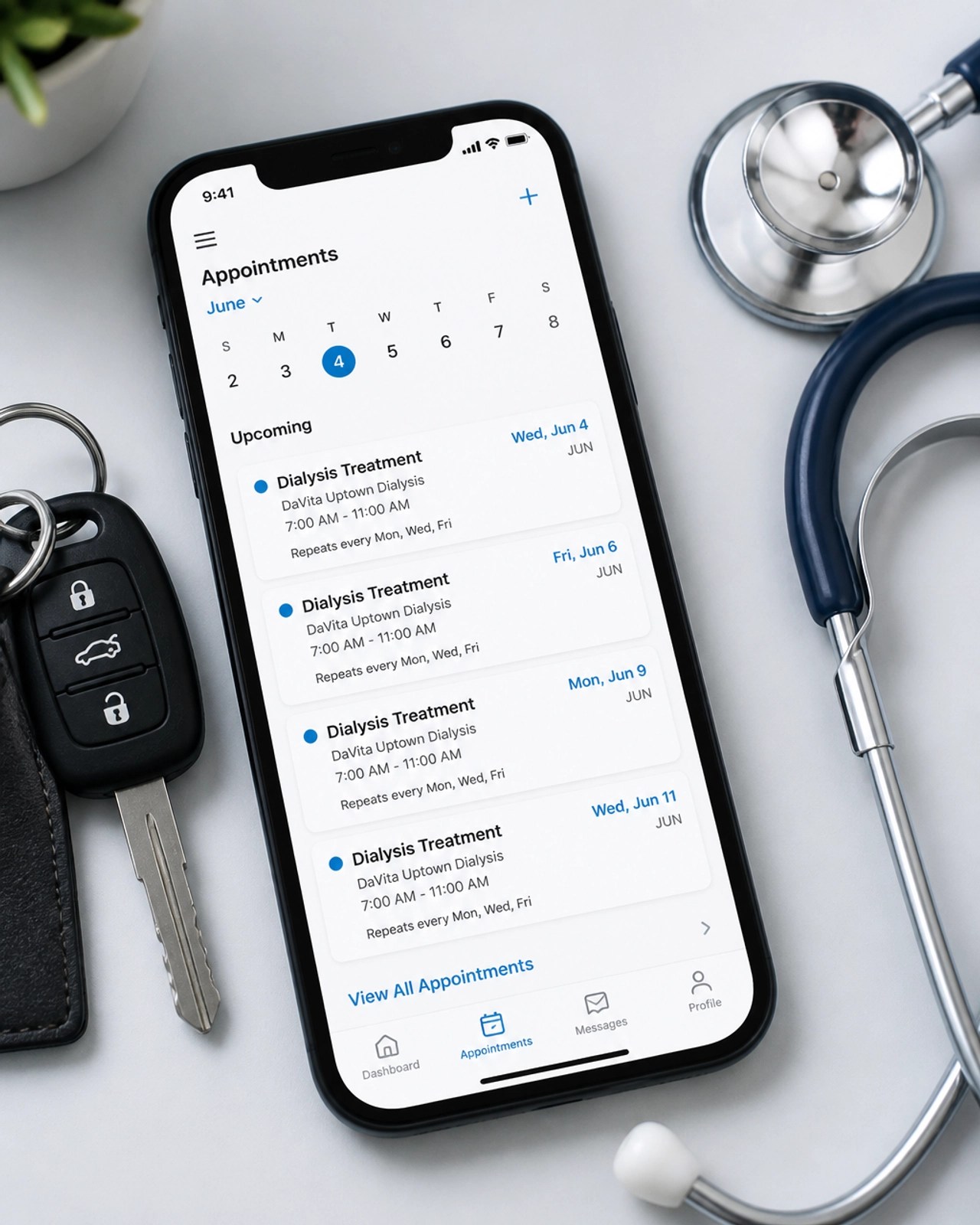
Don't leave your next medical appointment to chance. Take control of your healthcare access today. If you're ready to experience a more reliable, human-centered way to travel, explore our 15 ways to guarantee you never miss a medical appointment again. Your health is too important to wait at the curb.