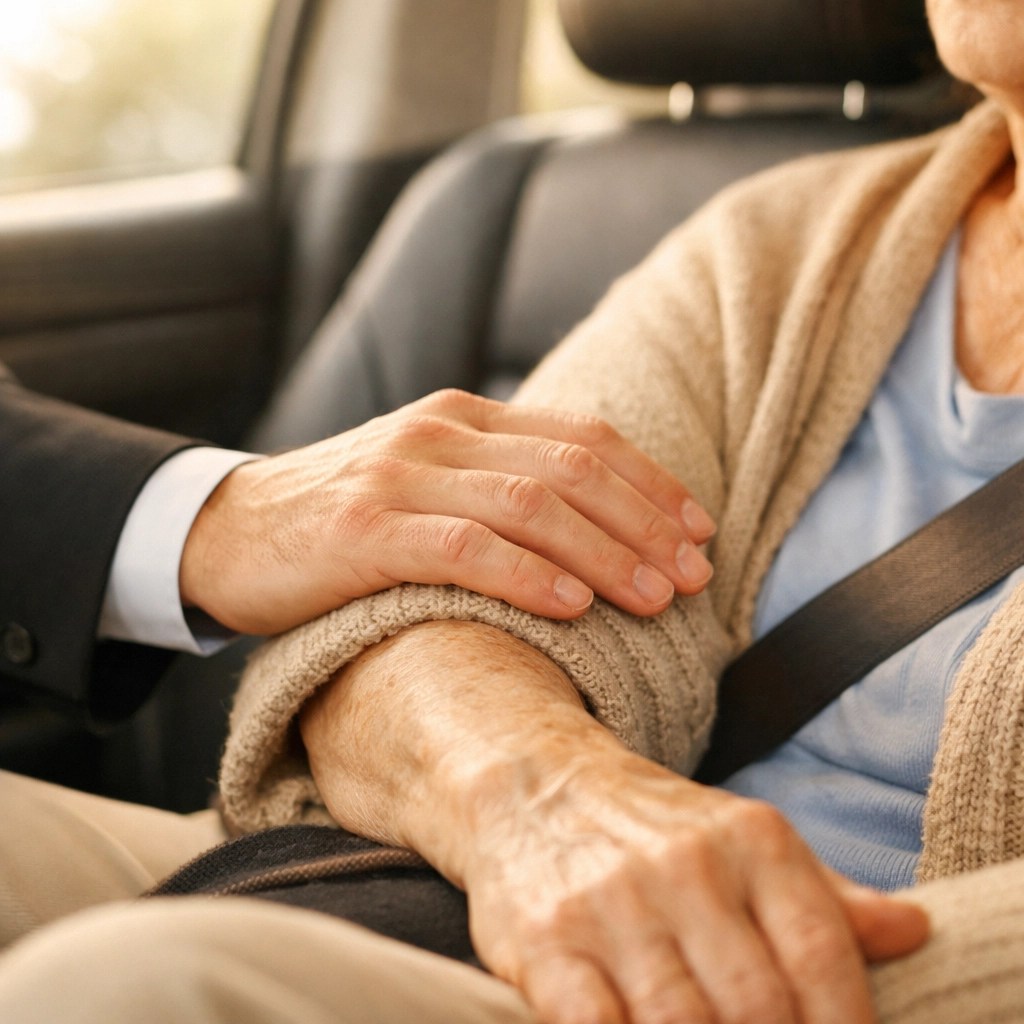
Living in a remote area has its perks: the peace, the space, and the community. But when it comes to healthcare, the distance between your front door and the doctor’s office can feel like an ocean. For many patients, a simple check-up isn't just a 15-minute drive; it’s a full-day logistics puzzle.
Reliable transportation isn't a comfort or a luxury. It is a fundamental necessity. Without it, healthcare access doesn't exist. At Swift Ryde, we see the struggle every day. As we continue our 7-day series on rural healthcare access and NEMT reliability, I want to dive deep into what it actually looks like to navigate medical care when you live off the beaten path.
Here are seven things you need to know about rural patient access and how we can bridge the gap together.
1. Distance Is the Single Most Difficult Barrier
For many patients in rural communities, the closest primary care physician might be thirty miles away. If you need a specialist: like a cardiologist or an oncologist: that distance can easily double or triple.
Distance isn't just a number on a GPS; it’s a travel burden. It means more money spent on fuel, more wear and tear on a vehicle, and more time away from work or family. For a self-employed farmer, three hours on the road is three hours away from the livestock or the crops. When the distance is too great, the appointment often gets canceled. This is why specialized transportation services are so vital: they turn a daunting journey into a manageable one.
2. Public Transportation Is Virtually Non-Existent
In a big city, if your car breaks down, you hop on a bus or a train. In rural America, that safety net doesn’t exist. There are no subway lines running through the countryside.
For many patients, especially the elderly, the lack of public transit creates a "transportation desert." If you can no longer drive yourself, you are suddenly dependent on the schedules of friends or neighbors. This loss of independence is one of the hardest parts of aging in a remote area. Without a dedicated service like Swift Ryde, many residents find themselves completely stranded, unable to reach the most basic medical services.
3. Delayed Care Often Leads to Sicker Patients
When getting to the doctor is a struggle, the "wait and see" approach becomes the default. For many patients, a small concern is ignored because the trip to the clinic is too difficult.
The data is clear: rural patients frequently postpone treatment. By the time they finally see a doctor, what could have been a simple fix has often spiraled into a complex, chronic, or acute illness. This doesn't just hurt the patient; it strains the entire healthcare system. When primary care is inaccessible, people turn to emergency departments for non-urgent issues. It’s a cycle that starts with a missing ride and ends with a hospital stay that could have been avoided.
4. Vulnerable Populations Are Disproportionately Hit
The "transportation gap" doesn't affect everyone equally. Low-income individuals, elderly residents, and people with disabilities bear the brunt of the burden.
For many patients living on a fixed income, the cost of a long-distance trip is a genuine financial threat. If you have to choose between a tank of gas to get to the doctor and putting food on the table, the doctor usually loses. Furthermore, for those requiring wheelchair-accessible rides, the options in rural areas are even slimmer. Standard vehicles won't work, and local taxis: if they even exist: rarely have the right equipment. This is where professional Non-Emergency Medical Transportation (NEMT) steps in to ensure no one is left behind.
5. The Hidden Financial Strain of Rural Travel
We often talk about the cost of healthcare, but we rarely talk about the cost of getting to healthcare. Approximately 26% of uninsured rural patients delay care specifically because of the cost associated with the trip.
Think about what goes into a 100-mile round trip:
- Fuel costs: At current prices, this is a significant "co-pay" before you even walk through the clinic door.
- Lost wages: Most rural appointments require taking a half-day or a full-day off work.
- Vehicle maintenance: High-mileage driving leads to frequent repairs, which many families can't afford.
When we frame transportation as a necessity, we acknowledge that these costs are a barrier to health. Reliable, scheduled transport helps mitigate these stressors by providing a predictable, professional solution.
6. Traditional Rideshare Often Fails the "Rural Test"
You might think, "Why not just call an Uber?" In many remote areas, that’s simply not an option.
Rideshare drivers tend to cluster in high-traffic urban centers. If you live 40 minutes outside of town, the chances of a driver accepting your request are slim. Even if they do, they might not be equipped to handle medical needs, such as assisting a patient from the door to the car.
Reliability is the cornerstone of NEMT. Unlike a standard rideshare, where a driver can cancel because they don't feel like driving that far, a professional medical transport service is a commitment. At Swift Ryde, we understand that a "no-show" isn't just an inconvenience: it's a missed treatment. You can learn more about our commitment to reliability on our blog.
7. Professional NEMT Is the Essential Link
The solution to rural patient access isn't just "more cars." It’s a coordinated system of care.
For many patients, the ride is the first step in their treatment plan. Professional medical transport offers more than just a seat; it offers trained drivers who understand patient needs, vehicles that are safety-inspected, and a scheduling system that prioritizes medical timelines. Whether it's a recurring booking for dialysis or a one-time specialist visit, having a dedicated partner changes the math of rural living. It removes the "if" from the equation and replaces it with "when."
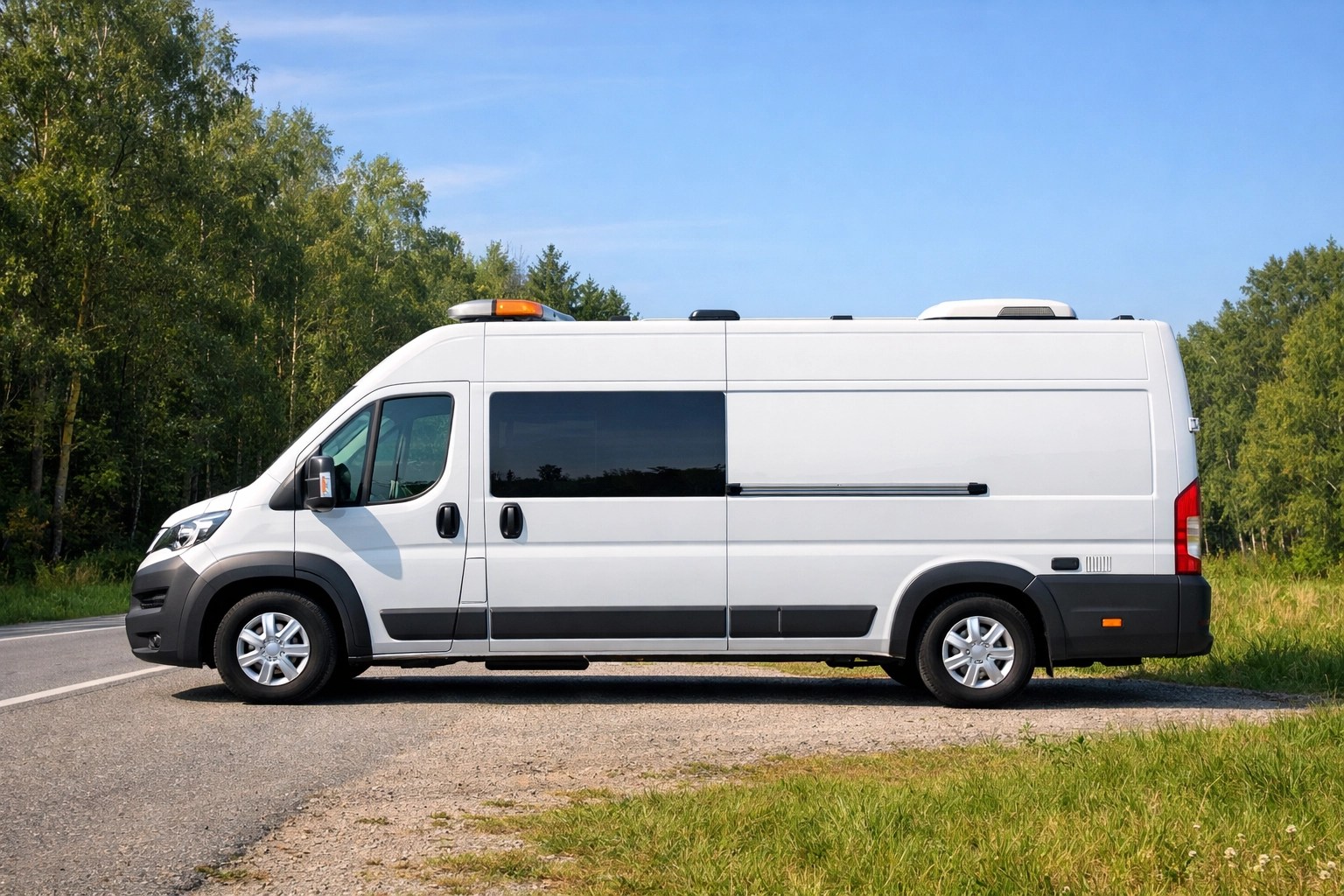
Bridging the Gap Together
At Swift Ryde, we believe that your zip code should never determine your health. Rural healthcare access matters because every person deserves the right to see their doctor without it becoming a life-altering ordeal.
We are proud to be the link that connects remote communities to the care they need. By providing reliable, door-to-door service, we’re doing more than just driving; we’re removing the single most difficult barrier to wellness.
If you or a loved one are struggling to find consistent transportation in a remote area, don't wait until it becomes an emergency. Reach out to us. Check out our services listing or contact us today to see how we can help you get where you need to go.
Stay tuned for the rest of our series, where we’ll cover everything from preparing for wheelchair-accessible rides to why recurring bookings are a game-changer for chronic care. We’re here to make sure you never have to face the road alone.