
Distance should never be a reason for poor health. For many patients living in rural or remote areas, the single most difficult barrier to recovery isn't the diagnosis itself: it is simply getting to the doctor. When you live miles away from the nearest specialist, a "routine" checkup becomes a logistical mountain to climb.
At Swift Ryde, we know that transportation isn't a luxury or a comfort. It is a fundamental necessity. If you can’t get to the clinic, the best medical care in the world doesn't matter. For many caregivers and patients, the stress of the drive is often worse than the appointment.
Here are 10 critical things you need to know about patient access and securing a reliable ride in remote areas.
1. Transportation Is a Health Issue, Not a Convenience
In rural communities, the gap between a patient and their doctor can be dozens: sometimes hundreds: of miles. When rides aren’t available, people don’t just "wait until later." They skip preventive care. They miss screenings. They let chronic conditions like diabetes or heart disease spiral out of control.
Missing an appointment isn't just an inconvenience; it leads to emergency room visits that could have been avoided. For many patients, a reliable ride is the difference between managing a condition at home and spending a week in a hospital bed. We believe healthcare starts the moment you leave your front door.
2. Rideshare Services Often Fail in Remote Areas
Standard rideshare apps are great for getting across town in a city, but they are often unreliable in rural zones. For many patients, relying on a standard app in a remote area is a gamble. Drivers in these areas are few and far between.
Most rideshare drivers are looking for quick, high-turnover trips. They are often unwilling to take a 50-mile trip into a remote area because they won't get a "return" fare, leading to what the industry calls "deadhead miles." If a driver sees your destination is an hour away in the middle of nowhere, they might cancel at the last minute, leaving you stranded. This is why specialized transportation services are essential for rural healthcare access.

3. Not All Medical Transport Is Created Equal
When you book a ride, you need to know exactly what kind of support you’re getting. There is a huge difference between a taxi and Non-Emergency Medical Transportation (NEMT).
- Taxis/Rideshares: Provide curb-to-curb service. They expect you to walk to the car and get in yourself.
- NEMT Providers: Offer door-to-door or even door-through-door assistance.
For many patients, especially those recovering from surgery or dealing with limited mobility, curb-to-curb service isn't enough. You need a driver who understands how to help you safely from your living room into the vehicle.
4. Specialized Vehicles Are Non-Negotiable
If you use a wheelchair, a walker, or a mobility scooter, a standard sedan simply won't work. For many patients, the physical struggle of trying to squeeze into a car that isn't equipped for their needs can cause injury or extreme fatigue.
Professional NEMT services use wheelchair-accessible vans equipped with hydraulic lifts or ramps and proper tie-down systems. Before you book, you should always verify that the vehicle can accommodate your specific equipment. At Swift Ryde, we prioritize rider support to ensure every vehicle matches the patient's physical requirements.
5. The Return Trip Is the Biggest Pain Point
The fear of being "dropped off and forgotten" is real. One of the most common issues in rural medical transport is the failure of the return ride. A patient gets to their appointment, but when they are ready to go home, the driver is nowhere to be found.
Reliable patient access requires a guaranteed round-trip plan. You should look for services that allow for "will-call" returns or scheduled pickups that account for potential delays in the clinic. Never settle for a one-way promise; always ensure your provider has a plan to get you back to your front porch.

6. Geography Changes the Logistics of the Ride
In remote areas, a trip isn't just about distance: it's about the environment. Rural routes often involve:
- Limited cell service, making it hard to contact drivers.
- Changing weather conditions that can turn dirt roads into mud.
- A lack of rest stops or gas stations along the way.
For many patients, this means the driver needs to be more than just a navigator; they need to be prepared for the route. Professional drivers who specialize in rural access plan for these gaps in infrastructure, ensuring the vehicle is fueled and the route is vetted before they pick you up.
7. Insurance and Medicaid Often Cover the Cost
Many people are surprised to learn that they don't have to pay for these rides out of pocket. For many patients, Medicaid provides a benefit specifically for non-emergency medical transportation.
Additionally, some Medicare Advantage plans and private insurers offer transportation coverage for chronic conditions like dialysis or chemotherapy. It is vital to check your privacy policy and insurance terms to see if you qualify. Don't let the fear of a high fare stop you from seeking care; the benefit might already be sitting there, unused.
8. Recurring Bookings Save Sanity
For treatments like dialysis or physical therapy, you shouldn't have to "re-invent the wheel" every week. For many patients, the mental load of scheduling three rides a week is exhausting.
The solution is recurring bookings. This allows you to set a schedule once and have the peace of mind that your ride will show up at the same time, every time. This consistency is the backbone of reliable care. It builds a relationship between the driver and the patient, which is especially helpful in remote areas where seeing a familiar face can reduce the stress of a long commute.

9. Technology Is Narrowing the Gap
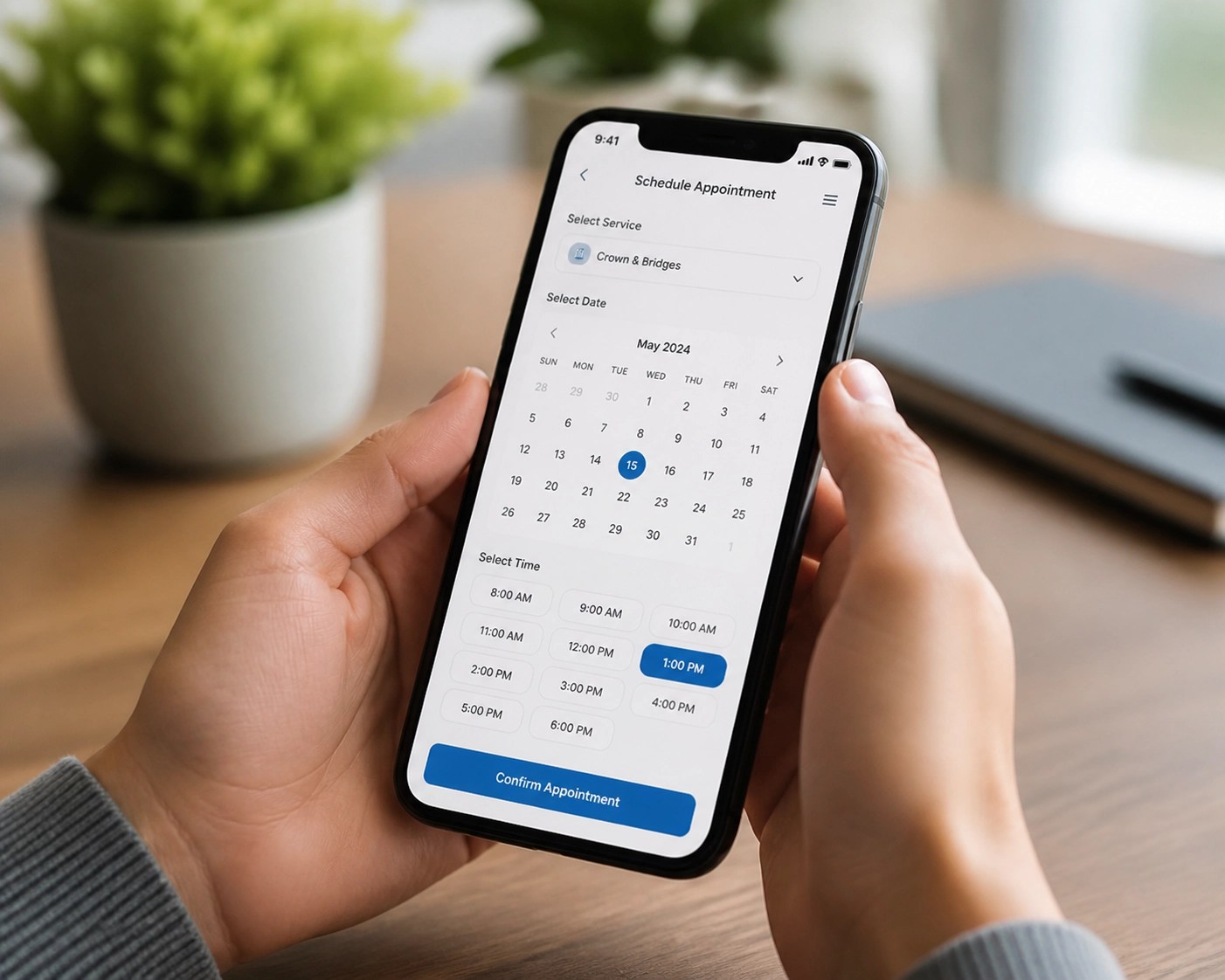
While geography is a challenge, technology is the solution. Real-time tracking isn't just a "cool feature": it's a safety tool. In remote areas, knowing exactly where your driver is (and when they will arrive) allows patients to wait inside their homes rather than out on a porch or at a curb.
Automated SMS updates and digital booking platforms make it easier for caregivers to manage rides for their loved ones from a distance. If you are a healthcare provider looking to streamline this for your patients, our B2B services focus on integrating these technologies to ensure no patient is left behind.
10. You Must Advocate and Plan Ahead
Reliability in remote areas requires a head start. While we strive for "swift" service, the reality of rural logistics means that booking your ride the moment you schedule your medical appointment is the best way to ensure availability.
When you call to book, be prepared with:
- The exact time of your appointment.
- Your mobility needs (wheelchair, oxygen, etc.).
- The expected duration of the visit.
- Your contact information for SMS updates.
For many patients, being proactive is the final piece of the puzzle. If you wait until the morning of your appointment to find a ride in a remote area, you are significantly increasing your risk of a missed visit.
Moving Forward with Confidence
Access to healthcare should not be a zip code lottery. Whether you are a patient or a caregiver, understanding these ten points will help you navigate the complexities of rural transportation. You deserve a service that is as reliable as the doctors you are traveling to see.
If you’re ready to experience a different kind of medical transport, one that values reliability and patient dignity above all else, we are here to help. You can learn more about how to get started on our home page or reach out to us directly through our contact page to discuss your specific needs.
Rural healthcare access matters, and at Swift Ryde, we’re committed to removing the barriers, one mile at a time. Be sure to check back for the rest of our 7-day series, where we will dive deeper into topics like preparing for wheelchair-accessible rides and why recurring bookings are a game-changer for dialysis patients.