
Transportation isn’t a comfort; it’s a fundamental necessity for health. For many patients, the single most difficult barrier to receiving life-saving treatment isn’t the medical procedure itself: it’s getting to the front door of the clinic. When you or a loved one can no longer drive, or when a standard car simply won’t accommodate a wheelchair, the world of healthcare starts to feel very small, very quickly.
This is where Non-Emergency Medical Transportation (NEMT) changes the game. At Swift Ryde, we believe that your health should never be dictated by your zip code or your mobility. As we kick off our 7-day series on reliable transportation, we want to peel back the curtain on what NEMT actually is and why it’s the backbone of modern healthcare access.
Here are 10 things you should know about NEMT services.
1. NEMT Is More Than Just a Taxi Service
For many patients, the term “transportation” brings to mind a yellow cab or a smartphone app. NEMT is fundamentally different. It is a specialized service designed for individuals who are medically stable but require assistance or specific vehicle features to reach their medical appointments. It fills the massive gap between a standard ride and an emergency ambulance. Whether it’s a routine check-up, a physical therapy session, or a recurring treatment, NEMT ensures you get there safely without the high cost of an emergency vehicle.
2. It’s a Required Benefit for Many
Many people struggle to figure out how they will pay for these rides. You should know that NEMT is a required Medicaid benefit. State Medicaid programs are mandated to provide necessary transportation to and from medical providers for those who have no other way to get to their appointments. Additionally, many Medicare Advantage plans and private insurers recognize the value of preventative care and offer NEMT coverage. Before you stress about the cost, check your policy or visit our services page to see how we can help.
3. Versatility is the Name of the Game
Not every patient has the same needs, and NEMT providers understand this. Service levels are tiered to match your specific mobility:
- Ambulatory: For those who can walk but need a hand getting to the curb or the door.
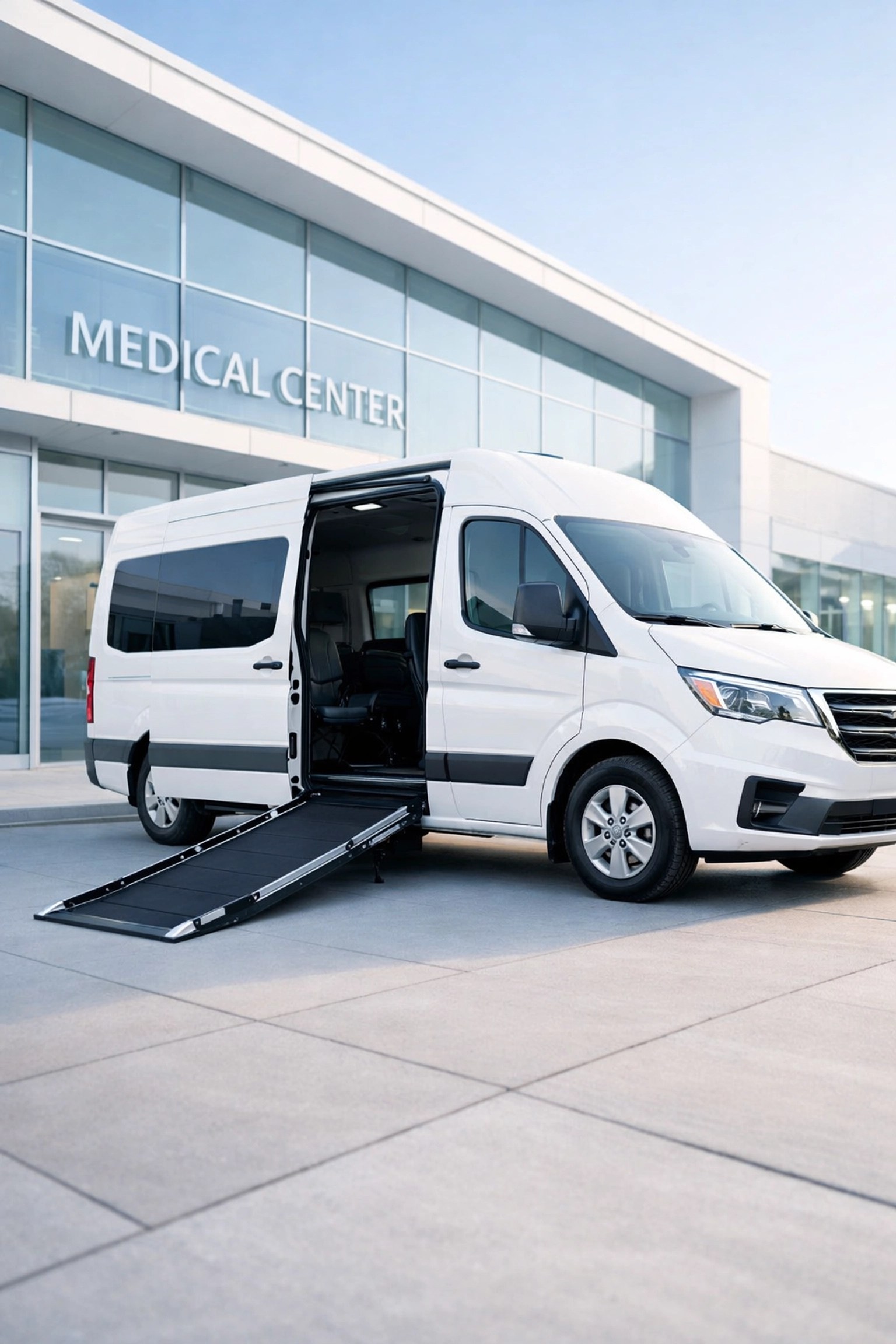
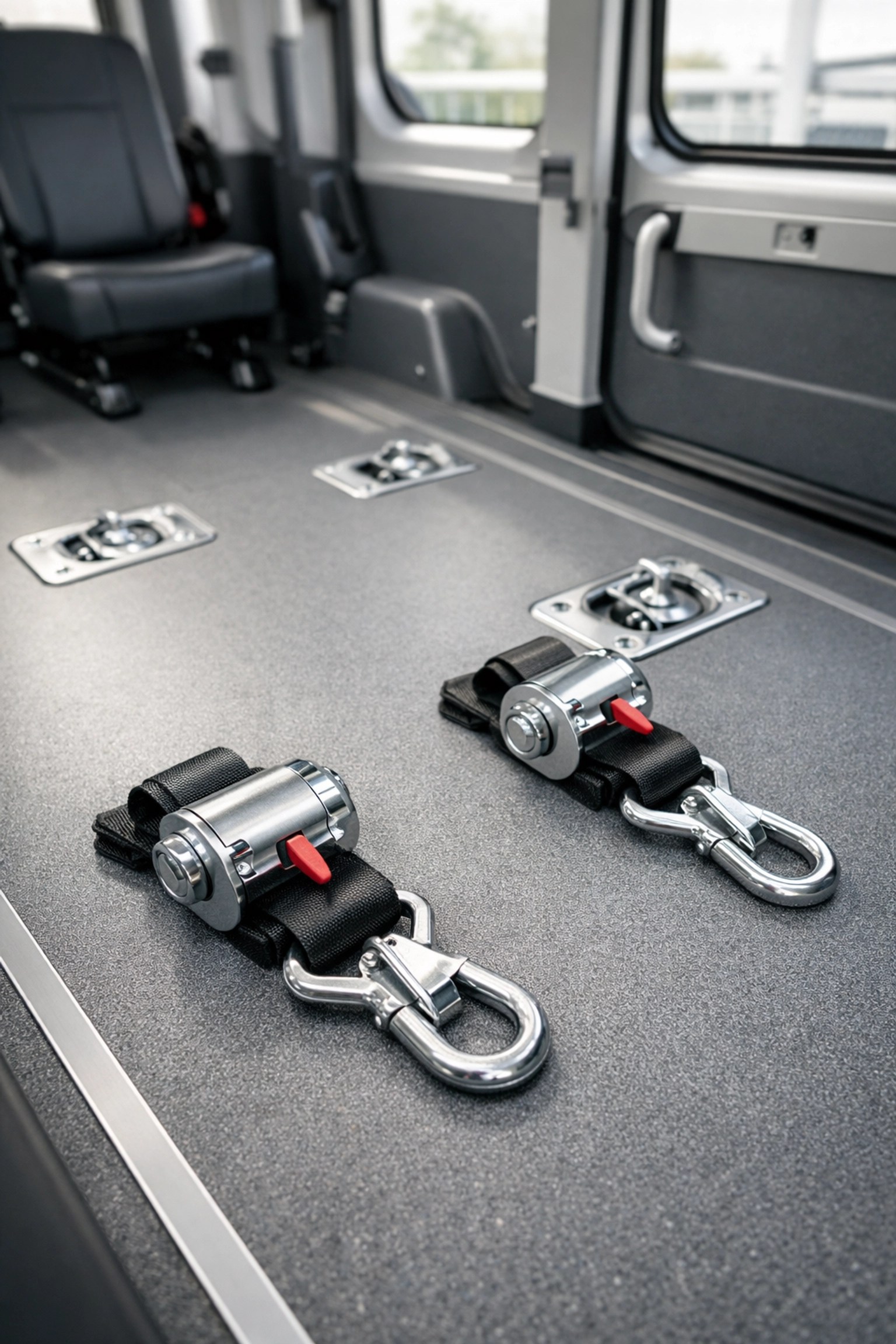
- Wheelchair-Accessible: Vehicles equipped with ramps or lifts so you never have to leave your chair.
- Stretcher/Gurney: For patients who must remain prone during transport.
- Bariatric: Specialized equipment for patients requiring higher weight capacities.
4. Door-to-Door vs. Curb-to-Curb
For many patients, the walk from the front door to the driveway is the most exhausting part of the day. Standard rideshare services usually offer “curb-to-curb” service, meaning they wait on the street. Reliable NEMT providers like Swift Ryde prioritize “door-to-door” or even “hand-to-hand” service. This means our drivers assist you out of your home, into the vehicle, and through the doors of your medical facility. We don’t just drop you off; we ensure you are safely inside.
5. Why Advance Notice is Essential
Unlike a taxi you hail on a corner, NEMT is a scheduled logistics operation. Most providers require a notice period ranging from 24 hours to a few days. This isn’t an inconvenience; it’s a quality control measure. It allows us to ensure the right vehicle type is available and that our drivers have a clear schedule to prevent delays. For many patients, booking a ride as soon as the doctor’s appointment is made is the best way to guarantee a stress-free trip. You can easily manage this through our online booking portal.
6. The “Secret Weapon” of Dialysis Care: Recurring Bookings
For patients undergoing dialysis or chemotherapy, the schedule is grueling and non-negotiable. Missing even one session isn’t an option. For many patients, the stress of calling for a ride every other day is overwhelming. That’s why recurring bookings change everything. You can set a schedule once and know that your ride will be there, at the same time, every single week. It removes the mental load and allows you to focus entirely on your recovery.

7. Professional Drivers Are Not “Gig Workers”
The person behind the wheel of an NEMT vehicle isn’t just a driver; they are a trained professional. NEMT drivers undergo rigorous background checks and receive specific training in CPR, First Aid, and sensitivity training for elderly and disabled passengers. They understand how to handle medical equipment and how to respond if a patient feels unwell during transit. This level of professionalism is the single biggest difference between a “ride” and “medical transport.”
8. Rural Healthcare Access is a Major Focus
If you live in a rural area, the distance to the nearest specialist can be dozens, or even hundreds, of miles. Geography shouldn’t be a death sentence. Rural healthcare access matters deeply to us at Swift Ryde. NEMT bridges the gap for those living in “medical deserts,” ensuring that even if you live far from the city center, you still have a seat at the table when it comes to quality healthcare.
9. It Saves the Healthcare System Money
It might seem counterintuitive that a “premium” ride service saves money, but the data is clear. By ensuring patients make it to their routine appointments and preventative treatments, NEMT significantly reduces the number of emergency room visits and hospital readmissions. For many patients, a $50 ride today prevents a $5,000 emergency bill tomorrow. This is “value-centered care” in its truest form.
10. Rideshare is Not a Substitute for NEMT
We often get asked: “Why can’t I just call an Uber?” For a healthy person going to the mall, rideshare is great. But for a patient with a walker, a wheelchair, or a cognitive impairment, it can be dangerous. Standard rideshare drivers are not trained to assist with mobility, their cars are rarely wheelchair-accessible, and they operate on a “speed-to-pickup” model that doesn’t allow for the patience required in medical transport. NEMT is a dedicated lane for safety and reliability.
The Swift Ryde Commitment
At Swift Ryde, led by our CEO Robert Ndawula, we don’t just see ourselves as a transportation company. We see ourselves as a bridge. We know that behind every booking is a person who needs to get better, a caregiver who needs a break, and a family that wants peace of mind.
For many patients, the fear of being stranded is very real. We address that fear with a commitment to being on time, every time. Whether you are navigating a new diagnosis or managing a chronic condition, the last thing you should worry about is the car in the driveway.
Preparing for Your First Ride
If you’re ready to take the next step, preparation is key. In the coming days of this series, we’ll dive deeper into how to prepare for a wheelchair-accessible ride and how to navigate the booking process. If you have questions right now, don’t hesitate to reach out to our support team.

Final Thoughts
Reliable transportation is the silent partner in successful healthcare. When you remove the barrier of “how do I get there?”, you open the door to better outcomes, less stress, and a higher quality of life. For many patients, NEMT isn’t just a service: it’s the freedom to stay healthy while staying in the home they love.
If you or a loved one are tired of the transport struggle, let’s talk. You can view our full range of options on our services listing or start your journey by checking out our home page.
Coming up next in our series: Rural Healthcare Access Matters – why distance should never be a barrier to care.