
You think that $20 ride to your doctor’s appointment is expensive? Wait until you see what missing that appointment actually costs you.
The truth about medical transportation isn’t what most people expect. Sure, that ambulance bill can shock you into next week, but the real financial drain happens when reliable transportation simply isn’t available. For many patients, the sticker price of getting to medical care is nothing compared to the hidden costs of not getting there at all.
The Real Numbers Behind Medical Transportation Costs
Let’s start with the elephant in the room – ambulance services. When Alan Hill got hit with a $1,445 bill for a 10-minute ambulance ride in Honolulu, he wasn’t alone in his shock. Nearly $700 of that came straight out of his pocket, even with insurance.
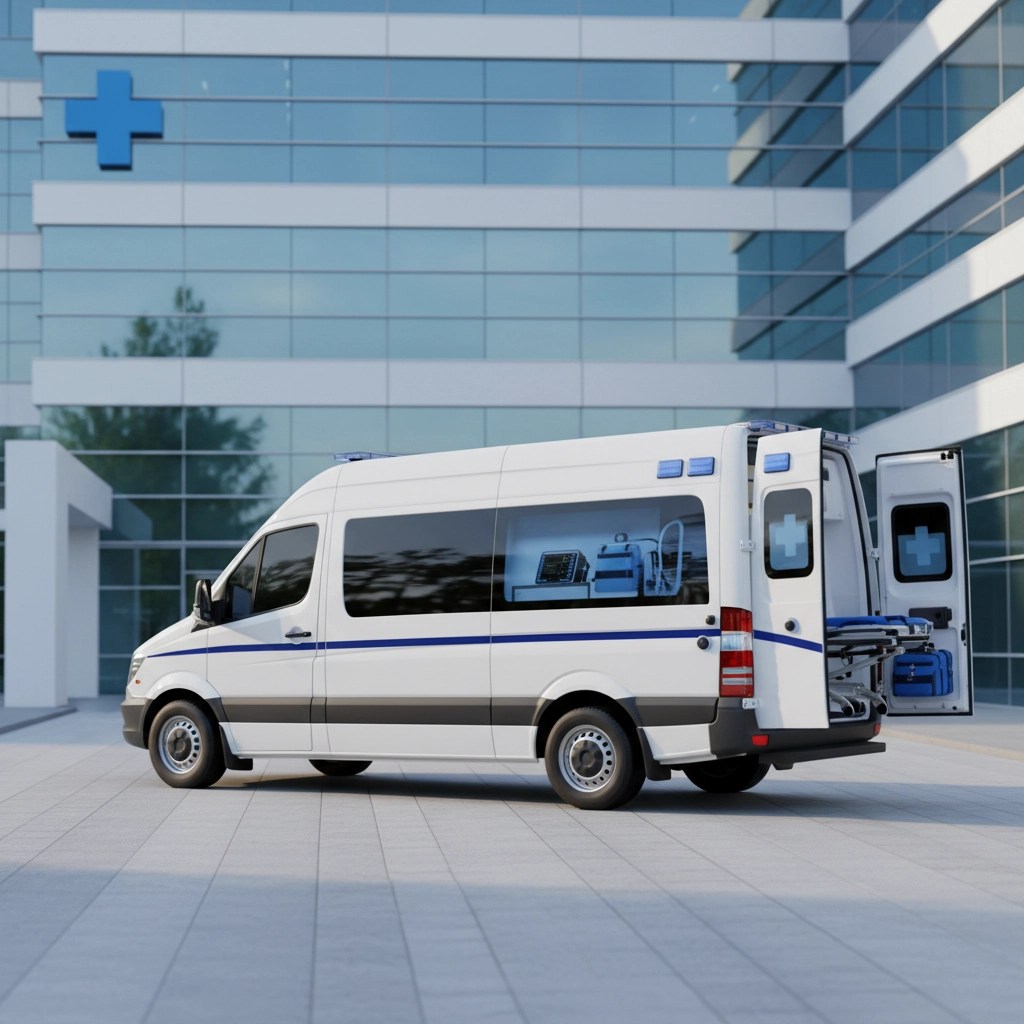
But here’s what that bill actually covers. Emergency medical teams need extensive training and hands-on experience dealing with life-or-death situations. Every ambulance runs with at least two trained personnel, and both the staff and equipment must meet strict local and state requirements. These aren’t just fancy taxis – they’re mobile emergency rooms packed with cardiac monitors, ventilators, infusion pumps, and oxygen supplies that need constant maintenance and updates.
The mileage charge you see? That’s actually the smallest part of your bill. The majority comes from the base service fee covering personnel, training, equipment maintenance, and the simple fact that these teams stay ready to respond 24/7.
The Reliability Myth That’s Costing You More
For many patients, the bigger question isn’t whether ambulances are expensive – it’s whether non-emergency medical transportation (NEMT) is reliable enough to trust with your health.
Here’s the truth: quality NEMT providers are actually MORE reliable than ambulances for routine medical care. While ambulances prioritize emergencies over scheduled appointments and hospital discharges, NEMT services dedicate their entire focus to getting you to your scheduled care on time.
The best NEMT companies use GPS tracking, real-time scheduling systems, and proactive communication to ensure timely pickups. They’re not juggling emergency calls that could pull them away from your appointment. Their entire business model depends on reliability.
Sure, the traditional NEMT industry has faced challenges. Driver shortages and limited fleet capacity have created delays and cancellations that undermine patient trust. But established providers address these issues head-on with professional standards and responsive communication about any scheduling changes.
The Hidden Costs That Are Draining Your Wallet
The real financial shock isn’t in what medical transportation costs – it’s in what happens when you can’t access it.
Nearly 3.6 million Americans miss essential medical care annually due to transportation issues. About 21% of American adults without reliable transportation missed essential medical care within a 12-month period. That’s not just a statistic – that’s millions of people whose health conditions are worsening because they can’t get to their appointments.

The numbers get worse. Missed medical appointments cost the U.S. healthcare system approximately $150 billion annually. Appointment no-show rates range from 10% to 30% or higher, with each missed appointment representing about $200 in lost revenue for providers.
For many patients, missing one appointment creates a domino effect. That skipped diabetes check-up leads to an emergency room visit. The missed cancer screening results in later-stage diagnosis requiring more expensive treatment. The routine cardiology appointment you couldn’t make turns into a heart attack that could have been prevented.
What Quality Medical Transportation Actually Delivers
NEMT isn’t just an expense – it’s an investment that pays for itself. Research shows that NEMT generates a return on investment of over $40 million per month ($480 million annually) per 30,000 Medicaid beneficiaries.
For many patients, NEMT reduces long-term healthcare costs by preventing missed appointments, emergency room visits, and hospital readmissions. This is especially critical for patients managing chronic conditions like diabetes and hypertension, where consistent care makes the difference between stability and crisis.
Medicaid covers NEMT services for eligible beneficiaries, which can greatly reduce or eliminate out-of-pocket costs. This coverage makes reliable transportation accessible to vulnerable populations who might otherwise skip critical medical care.

How Swift Ryde Changes the Transportation Cost Equation
Traditional medical transportation often forces you to choose between expensive ambulance services and unreliable ride options. Swift Ryde eliminates that false choice.
Our platform connects patients with vetted, reliable transportation specifically designed for medical appointments. We use real-time tracking and scheduling systems to ensure your ride shows up when promised. No more wondering if your driver will cancel at the last minute or show up two hours late.
For healthcare providers, we offer a solution that reduces no-show rates and improves patient outcomes. Instead of losing $200 per missed appointment, providers see improved attendance rates and better patient health outcomes.
The Technology That Makes Reliable Medical Transport Affordable
The game-changer isn’t just having transportation available – it’s having transportation you can count on. Modern medical transportation platforms use technology to solve the reliability problems that have plagued the industry.
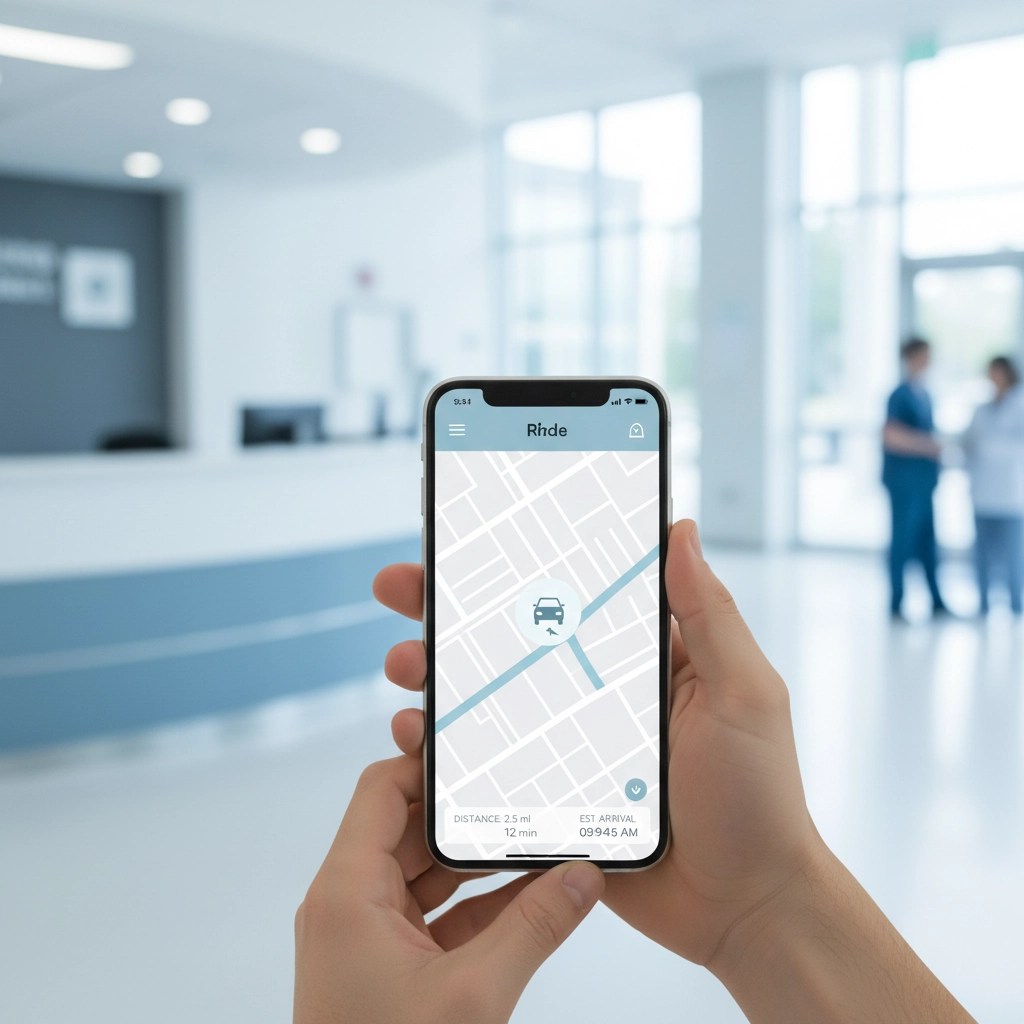
GPS tracking means you know exactly where your ride is and when it will arrive. Automated scheduling reduces human error and double-bookings. Real-time communication keeps you informed of any changes or delays.
This technology doesn’t just improve the patient experience – it makes the entire system more efficient and cost-effective. Fewer missed appointments mean better health outcomes and lower long-term costs for everyone involved.
Making Smart Decisions About Medical Transportation Costs
The smartest financial decision isn’t necessarily choosing the cheapest transportation option – it’s choosing the most reliable one. A $15 ride that doesn’t show up costs you far more than a $25 ride that gets you to your appointment on time.
For many patients, the key is understanding what your insurance covers and what options are available. Medicaid beneficiaries may qualify for covered NEMT services. Private insurance may cover medical transportation in certain circumstances. Even out-of-pocket costs for reliable medical transportation are typically far less than the long-term costs of missed care.
The question isn’t whether you can afford reliable medical transportation – it’s whether you can afford to go without it.
The Bottom Line on Medical Transportation Costs
Medical transportation costs are often misunderstood. Emergency ambulance services are genuinely expensive, but that cost reflects the specialized training, equipment, and 24/7 readiness they provide. Non-emergency medical transportation, particularly when covered by insurance or Medicaid, is generally affordable and provides exceptional value.
The real financial burden comes when patients can’t access transportation at all. Missed appointments, worsening health conditions, preventable hospitalizations, and billions in lost productivity create costs that dwarf the price of reliable transportation.
For many patients, quality medical transportation isn’t a luxury – it’s a cost-effective investment in better health outcomes. The question isn’t whether medical transportation is costing you more than you think. The question is whether the lack of reliable medical transportation is costing you far more than you realize.