
Rural healthcare access isn’t just "difficult" in 2026, it is in a state of emergency. For millions of Americans living outside major metropolitan hubs, the question isn’t whether they have a good doctor, but whether they can physically get to the front door of a clinic. We are seeing the rise of "healthcare dead zones," areas where the distance between a patient and a specialist is measured not just in miles, but in missed opportunities for recovery.
At Swift Ryde, we believe your zip code should never determine your life expectancy. But currently, the data tells a different story. Rural residents face a 23 percent higher mortality rate compared to urban dwellers. This isn't because the doctors are less skilled; it’s because the logistics are broken. Transportation is the single most difficult barrier to health equity in rural America. If you can’t get to the appointment, the best medical technology in the world is useless.
The "Rural Penalty" and Why It’s Getting Worse
For many patients, living in a rural area feels like paying a "rural penalty" for their health. Over 200 counties across the country now lack reliable primary care providers and specialists. When you combine a shortage of local doctors with a lack of reliable transportation, you create a perfect storm of medical neglect.
The transportation barrier is a fundamental necessity, not a luxury. When a patient in a rural community needs a specialist, like an oncologist or a cardiologist, they often have to travel across county lines. A 2019 survey highlighted that 64% of rural health clinic staff struggle to find specialists for their patients because the travel distance is simply too great. This distance doesn't just cause inconvenience; it causes delays in diagnosis and treatment that can be fatal.
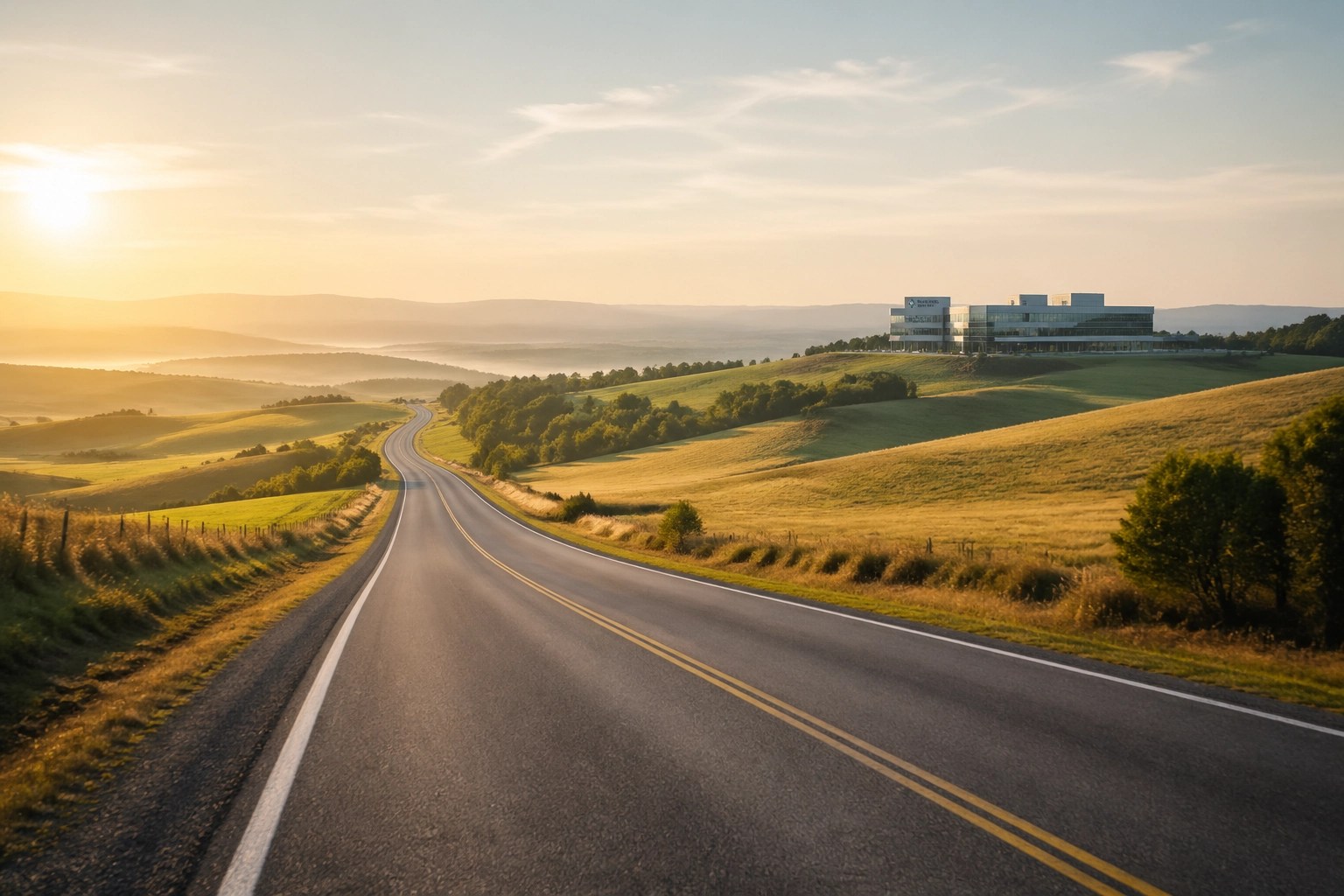
Why Traditional Transportation Fails Rural Patients
For many patients, standard options like public transit don’t exist, and relying on family members isn't always sustainable. Traditional rideshare apps often fail in rural zones because drivers are concentrated in high-density cities. If you manage to get a ride to the doctor, there is no guarantee someone will be available to take you home.
This is where the distinction between "a ride" and "medical transport" becomes critical. Medical transport, or NEMT (Non-Emergency Medical Transportation), is designed specifically to bridge the gap that standard transportation leaves wide open. It isn't just about a car and a driver; it’s about a scheduled, reliable link to life-saving care. You can explore how these specialized services work at our services page.
Solving the Barrier: The Swift Ryde Approach
We don't believe rural healthcare access is dead, but we do believe the old way of thinking about it is. To solve the transportation barrier, we have to treat transportation as part of the medical treatment plan itself. Here is how we are flipping the script:
1. Reliability as a Standard, Not a Suggestion
For many patients, the anxiety of "will they show up?" is as stressful as the medical procedure itself. In rural areas, a "no-show" doesn't just mean a late start, it means a canceled appointment that might take months to reschedule. Swift Ryde prioritizes reliability by using a dedicated fleet and professional chauffeurs who understand the stakes. Whether it's an intercity ride or a trip to a local clinic, the commitment is the same.
2. Door-to-Door, Not Curb-to-Curb
A ride that leaves a mobility-impaired patient at the curb of a massive hospital complex hasn't solved the problem. Rural patients, who are often older and may have more complex health needs, require door-to-door assistance. This means helping a patient from their living room into the vehicle and ensuring they are checked in at their destination. This level of care is a cornerstone of what we do.
3. Specialized Vehicles for Specialized Needs
Rural roads can be rough, and the journeys are long. A standard sedan isn't always the right tool for the job, especially for patients requiring wheelchair access or extra space for medical equipment. Our sprinter class vehicles provide the comfort and safety required for longer rural-to-urban transfers.

The Power of Recurring Bookings
For many patients, healthcare isn’t a one-time event. Those dealing with chronic conditions like kidney failure or cancer require a rhythm of care. Dialysis, for example, is a non-negotiable three-times-a-week commitment. In a rural setting, if you miss even one of those appointments because your ride fell through, the health consequences are immediate and severe.
This is why recurring bookings change everything. By automating the schedule, we remove the mental load from the patient and the caregiver. You don’t have to "find a ride" every Monday, Wednesday, and Friday; the ride is simply part of your schedule. This consistency is the only way to effectively manage chronic illness in rural areas.
Bridging the Specialist Gap
As we noted earlier, the lack of specialists in rural counties accounts for 40 percent of the rural-urban mortality difference. If a rural patient can’t get to a specialist, they are essentially receiving incomplete care.
We frame transportation as the bridge to specialist access. By offering travel and transfer services that are specifically designed for long-distance medical needs, we effectively move the specialist closer to the patient. It shouldn't matter that the best cardiologist is two hours away if you have a guaranteed, comfortable, and professional way to get there and back.

The Caregiver’s Perspective: A Needed Relief
We often talk about the patient, but we should never forget the caregiver. In rural communities, the burden of transportation usually falls on a spouse or an adult child. This often leads to "caregiver burnout," where the person providing the most support becomes overwhelmed by the logistics of travel, missed work, and the physical toll of driving long distances.
Using a professional NEMT service isn’t "outsourcing" care; it’s preserving the caregiver’s ability to provide emotional and home support. When Swift Ryde handles the road, the caregiver can focus on the recovery. If you are a healthcare provider or a business looking to support your community, our B2B services are designed to integrate directly with your facility’s workflow.
Is the Barrier Finally Solvable?
Yes, but it requires a shift in how we fund and view rural infrastructure. While broadband expansion and telehealth are important parts of the puzzle, they cannot replace the physical presence required for surgeries, scans, and hands-on treatment.
The transportation barrier is solved when:
- Booking is simple: Patients can book by the hour or by the trip without jumping through hoops.
- Communication is clear: Using modern tools like SMS updates to keep patients informed of their driver’s status.
- Trust is established: Drivers are trained not just to drive, but to assist.
Rural healthcare access isn't dead: it’s just waiting for a better way to move. By treating medical transport as a fundamental right rather than an afterthought, we can start closing the mortality gap and ensuring that every patient, regardless of their address, has a fair shot at a healthy life.
If you or a loved one are struggling with the distances between you and your healthcare, don't wait for the system to change on its own. Take the first step toward reliable access today. You can contact us here to discuss a personalized transportation plan that fits your specific needs.
Moving Forward
This post is the first in our 7-day series dedicated to making healthcare accessible for everyone. Over the next week, we’ll dive deeper into how to prepare for wheelchair-accessible rides, why recurring bookings are a literal lifesaver for dialysis patients, and the real differences between medical transport and standard rideshares.
The road to health shouldn't be a maze. At Swift Ryde, we’re here to make sure it’s a straight line. For more information on our mission and how we support both riders and drivers, visit our home page.