
Choosing the wrong medical transportation provider isn’t just inconvenient: it’s dangerous. For many patients, unreliable transport means missed dialysis sessions, delayed cancer treatments, and skipped follow-up appointments that spiral into emergency room visits. In 2025, the difference between providers isn’t just about having vehicles on the road. It’s about having the right technology to keep patients safe, appointments on time, and costs under control.
The medical transportation landscape has transformed dramatically. Legacy providers still operating with phone-based dispatch and paper schedules simply can’t compete with platforms offering real-time tracking, AI-powered routing, and integrated billing systems. For healthcare administrators and patients alike, understanding these technology differences isn’t optional: it’s essential for making decisions that directly impact patient outcomes.
The Technology Standards That Actually Matter
Real-Time Visibility Changes Everything
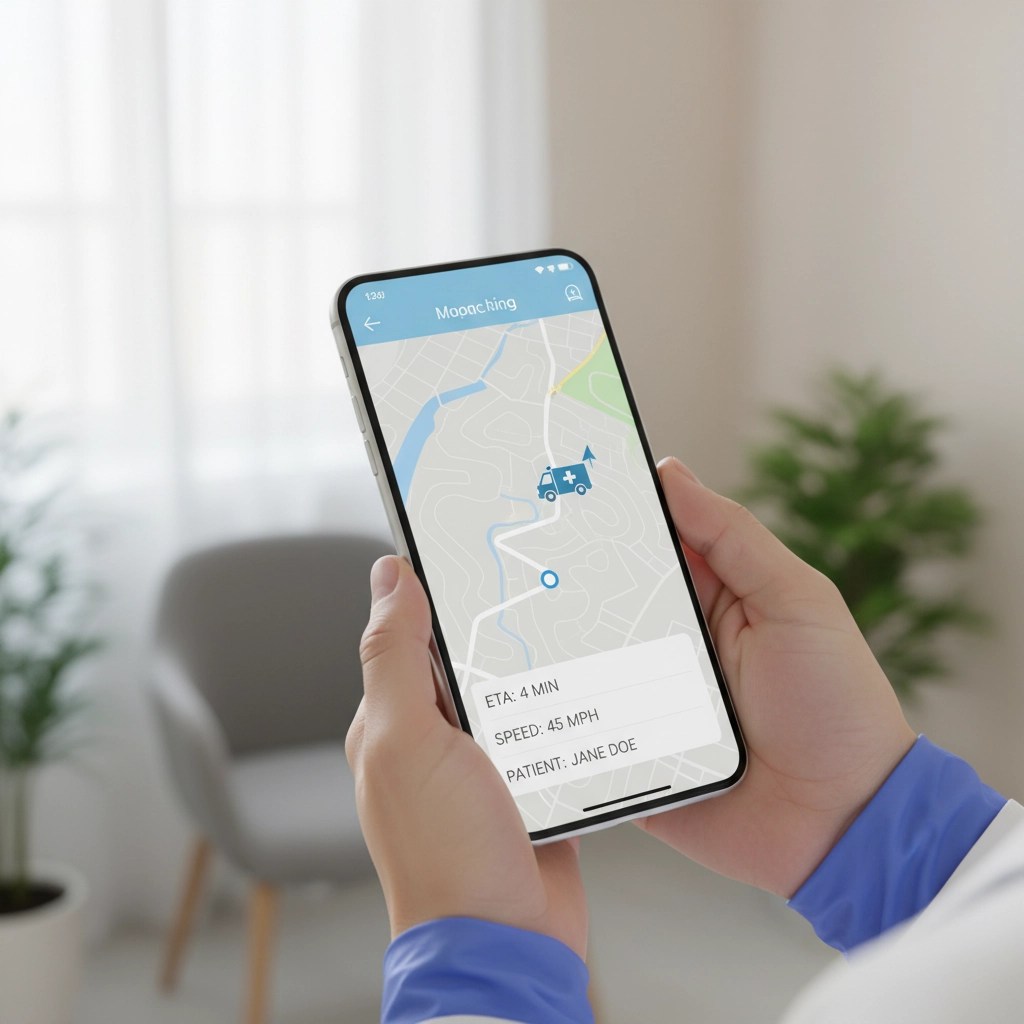
The single most important feature any medical transportation provider should offer is real-time ride tracking. This isn’t about convenience: it’s about accountability. When you can see exactly where your patient is during transport, you eliminate the anxiety of wondering if they’ll make their appointment. More importantly, real-time visibility allows healthcare teams to adjust schedules proactively rather than reactively.
Modern platforms provide live updates that show vehicle location, estimated arrival times, and driver status. For many patients managing complex care schedules, this transparency reduces stress and builds confidence in their transportation reliability.
Integration Capabilities You Can’t Live Without
Your transportation provider should never operate in a silo. The best platforms in 2025 integrate seamlessly with Electronic Medical Records (EMR), billing systems, and existing care coordination tools. This integration eliminates duplicate data entry, reduces scheduling errors, and ensures that transportation becomes part of the patient’s overall care plan rather than a separate logistics challenge.
AI-Powered Route Optimization
Traffic delays and inefficient routing aren’t just inconveniences: they’re barriers to care. Advanced providers use artificial intelligence to optimize routes continuously, accounting for real-time traffic conditions, appointment windows, and vehicle capacity. This technology reduces travel time by up to 30% and significantly decreases the likelihood of missed appointments due to transportation delays.
Platform Comparison: What Your Money Actually Buys
The medical transportation technology market offers solutions ranging from basic dispatch systems to comprehensive care coordination platforms. Understanding these differences helps you choose the right level of investment for your needs.
Budget-Conscious Solutions ($40-70 per vehicle monthly)
For smaller operations, platforms like RouteGenie and Bambi provide essential features without overwhelming complexity. These solutions offer route optimization, basic scheduling, and driver mobile apps. While they lack advanced billing integration, they deliver reliable core functionality that dramatically improves upon phone-based coordination.
Upper and Tobi Cloud fall into this category, with Tobi adding trip attestation capabilities crucial for proper documentation and billing compliance.
Mid-Range Comprehensive Platforms ($100-200 monthly)
NEMT Cloud Dispatch and similar platforms bridge the gap between basic functionality and enterprise solutions. These systems provide Medicaid compliance tools, multi-payer billing support, and healthcare-specific features like wheelchair accessibility tracking and medical equipment transport coordination.
Enterprise Healthcare Integration (Custom Pricing)
Platforms like MediRoutes, TripSpark, and Care Logistics offer sophisticated capabilities designed for large health plans and integrated delivery systems. These solutions handle complex multi-payer scenarios, provide predictive analytics, and integrate with comprehensive care management platforms.

The Features That Separate Good Providers from Great Ones
Automated Scheduling and Dispatch
Manual scheduling creates bottlenecks and errors that cascade through the entire care system. The best providers offer automated scheduling that considers patient preferences, medical appointment requirements, vehicle availability, and driver certifications simultaneously. This automation reduces scheduling time by up to 90% while improving accuracy.
Mobile Technology for Drivers and Patients
Driver-facing mobile apps should provide turn-by-turn navigation, real-time communication with dispatch, and digital proof-of-delivery documentation. For many patients, receiving pickup notifications and ride tracking through their own mobile devices reduces anxiety and improves the overall experience.
Compliance and Documentation Tools
Medical transportation involves strict regulatory requirements, particularly for Medicaid and Medicare billing. Advanced platforms automate compliance documentation, track driver certifications, and ensure that all rides meet payer-specific requirements without manual intervention.
Predictive Analytics and Reporting
Understanding patterns in no-shows, frequently requested routes, and peak demand periods allows providers to optimize operations continuously. The best platforms provide detailed analytics that help identify problems before they impact patient care.

Choosing Based on Your Specific Needs
For Small Healthcare Practices
Start with RouteGenie or Bambi. These platforms provide essential route optimization and scheduling capabilities without requiring extensive IT integration. Budget approximately $50-70 per vehicle monthly, and expect quick implementation with minimal training requirements.
For Mid-Size Medical Groups and Clinics
NEMT Cloud Dispatch or Tobi Cloud offer the right balance of features and complexity. These platforms provide healthcare-specific compliance tools while remaining manageable for smaller IT teams. The monthly cost typically ranges from $100-200, but the reduction in administrative overhead often pays for the platform within months.
For Large Health Plans and Hospital Systems
Enterprise platforms like Care Logistics, Saferide Health, or ModivCare provide the scalability and integration capabilities required for complex operations. While pricing requires custom quotes, these platforms typically deliver measurable ROI through reduced emergency room utilization, improved patient satisfaction, and operational efficiency gains.
For Multi-Payer Billing Requirements
MediRoutes specializes in handling different payer rules and automated billing workflows. For organizations managing Medicaid, Medicare Advantage, and commercial insurance transportation simultaneously, this specialization eliminates manual processes that slow revenue cycles and increase error rates.
Implementation Success Factors
Integration Planning
Before selecting any platform, audit your existing systems and identify integration requirements. The best technology becomes worthless if it creates workflow disruptions or data silos. Prioritize providers who offer dedicated implementation support and clear integration timelines.
Staff Training and Change Management
Technology adoption success depends more on user acceptance than feature sophistication. Choose providers offering comprehensive training programs and ongoing support. Budget time for workflow adjustment and expect a 30-60 day adjustment period even with user-friendly platforms.

Performance Measurement
Establish baseline metrics before implementation so you can measure improvement accurately. Key performance indicators should include appointment adherence rates, patient satisfaction scores, operational cost per ride, and no-show percentages.
The 2025 Reality Check
Medical transportation technology isn’t just advancing: it’s becoming essential for competitive healthcare delivery. Providers still relying on manual processes or outdated dispatch systems create unnecessary barriers to care that directly impact patient outcomes.
For many patients, reliable transportation represents the difference between maintaining their health and experiencing preventable complications. The technology choices you make today determine whether your transportation services support or hinder patient care quality.
The platforms available in 2025 offer unprecedented capabilities for improving both operational efficiency and patient experiences. However, selecting the right solution requires honest assessment of your current capabilities, realistic growth projections, and clear understanding of what technology can and cannot solve.
Choose based on demonstrated results rather than promised features. The best medical transportation provider for your organization combines proven technology with operational excellence, creating a foundation for reliable patient care that scales with your needs.