
Distance to healthcare should never be the reason for a missed appointment. For many patients, the difference between getting better and staying sick isn't the quality of the doctor: it’s the reliability of the ride.
In a world where you can summon a car with a single tap on your phone, it’s tempting to think of rideshare as a universal solution. But for specialized care, a standard car isn't a comfort; it's often a liability. When you’re managing a chronic condition, recovering from surgery, or navigating life with a mobility device, "curb-to-curb" service isn't enough. You need more than a driver; you need a partner in your care.
Welcome to day five of our 7-day series on reimagining medical mobility. Today, we’re looking at the single most difficult barrier in patient logistics: choosing between the convenience of a standard rideshare and the specialized support of Non-Emergency Medical Transportation (NEMT).
The "Curb-to-Curb" Trap
For many patients, the primary problem with standard rideshare is where the service ends.
Standard rideshare is designed for the able-bodied commuter. It’s a "curb-to-curb" model. The driver pulls up to the sidewalk, and their responsibility starts and ends there. If you have a walker, a wheelchair, or simply a day where your balance is off, that 50-foot walk from your front door to the car can feel like a mountain.
Rideshare isn't built for the "last fifty feet." If you can’t navigate your stairs alone or struggle to open the heavy doors of a medical complex, a standard rideshare driver is often restricted by company policy from helping you. They aren't trained to assist with transfers, and their insurance typically doesn't cover them the moment they step out of the car to lend a hand.
At Swift Ryde, we believe healthcare starts at your front door, not at the curb. Our door-to-door services ensure that you are supported from your living room to the doctor’s waiting room.
Specialized Vehicles: Why Your Car Choice Matters
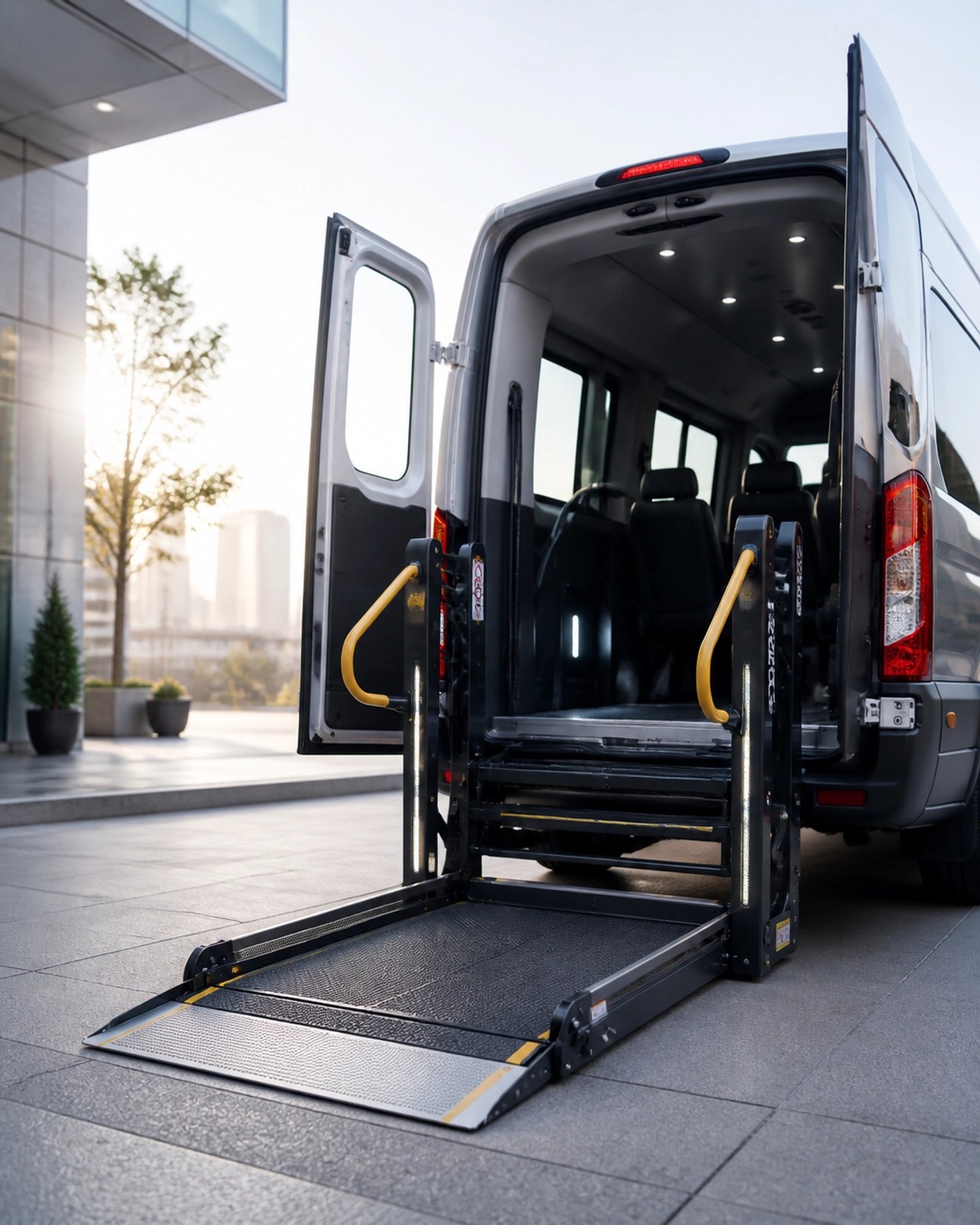
For many patients, the vehicle itself is the barrier. Most rideshare vehicles are compact or mid-sized sedans. While they work great for a trip to the grocery store, they are rarely equipped for specialized medical needs.
1. Wheelchair and Stretcher Accessibility
If you use a power wheelchair, a standard Uber or Lyft is rarely an option. Even "accessible" versions of these apps can have long wait times and unpredictable vehicle types. NEMT vehicles are purpose-built. They feature hydraulic lifts or reinforced ramps, ensuring that your chair is secured with professional-grade tie-downs.
2. Space for Medical Equipment
For many patients, traveling with oxygen tanks, monitors, or specialized walkers is a daily reality. A crowded trunk full of a driver's personal items doesn't leave room for your life-saving equipment. Medical transport vehicles are kept clean, spacious, and organized specifically to accommodate your gear.
3. Stability and Comfort
Standard cars have standard suspension. For a patient recovering from spinal surgery or someone with chronic pain, every pothole is a setback. NEMT vehicles often feature upgraded suspension systems and climate-controlled interiors designed to keep the ride as smooth and comfortable as possible.
The Human-Centered Difference: Training and Safety

A rideshare driver is a contractor moving from Point A to Point B. They are focused on the clock and their next fare. In contrast, NEMT drivers are trained professionals who understand the nuances of patient care.
For many patients, the anxiety of the ride is worse than the appointment itself. Will the driver be patient? Do they know how to help me if I feel dizzy?
Our drivers at Swift Ryde undergo extensive background checks and specialized training in:
- Patient Sensitivity: Understanding the dignity and privacy of the people we serve.
- Safety Protocols: Knowledge of CPR, first aid, and emergency procedures.
- Mobility Assistance: Expert techniques for helping patients in and out of vehicles without risking injury.
Reliability isn't just about showing up; it’s about the peace of mind that comes from knowing you’re in capable hands. You can learn more about our commitment to these standards on our rider support page.
Reliability for Critical Care
For many patients, a late ride isn't just an inconvenience: it’s a medical emergency.
If you’re heading to a dialysis appointment or a chemotherapy session, your timing is part of your treatment. Rideshare apps use "dynamic pricing" and "demand-based routing." This means on a rainy Tuesday or during a local sports event, your ride might be cancelled or delayed by 30 minutes because the driver found a more profitable fare elsewhere.
Medical transport operates on a schedule, not an algorithm. When you book a ride with Swift Ryde, that slot is yours. We specialize in recurring bookings, meaning your 8:00 AM dialysis ride is locked in every week. We don't "surge price" when you need us most, and we don't cancel because the traffic looks bad.
The Hidden Costs of the "Cheaper" Option
At first glance, rideshare might look cheaper. But for many patients, the hidden costs tell a different story.
- The Cost of Missed Appointments: If a rideshare driver cancels and you miss a specialist appointment, you might wait weeks or months for a new slot.
- The Cost of Injury: Improperly loading a wheelchair or a fall at the curb can lead to ER visits that cost thousands of dollars.
- The Cost of Stress: For caregivers, the mental load of wondering if a driver will show up is a heavy burden.
Professional medical transport is an investment in your health outcomes. It’s the difference between struggling to get to the clinic and arriving ready to focus on your recovery.
The Swift Ryde Promise: More Than Just a Ride
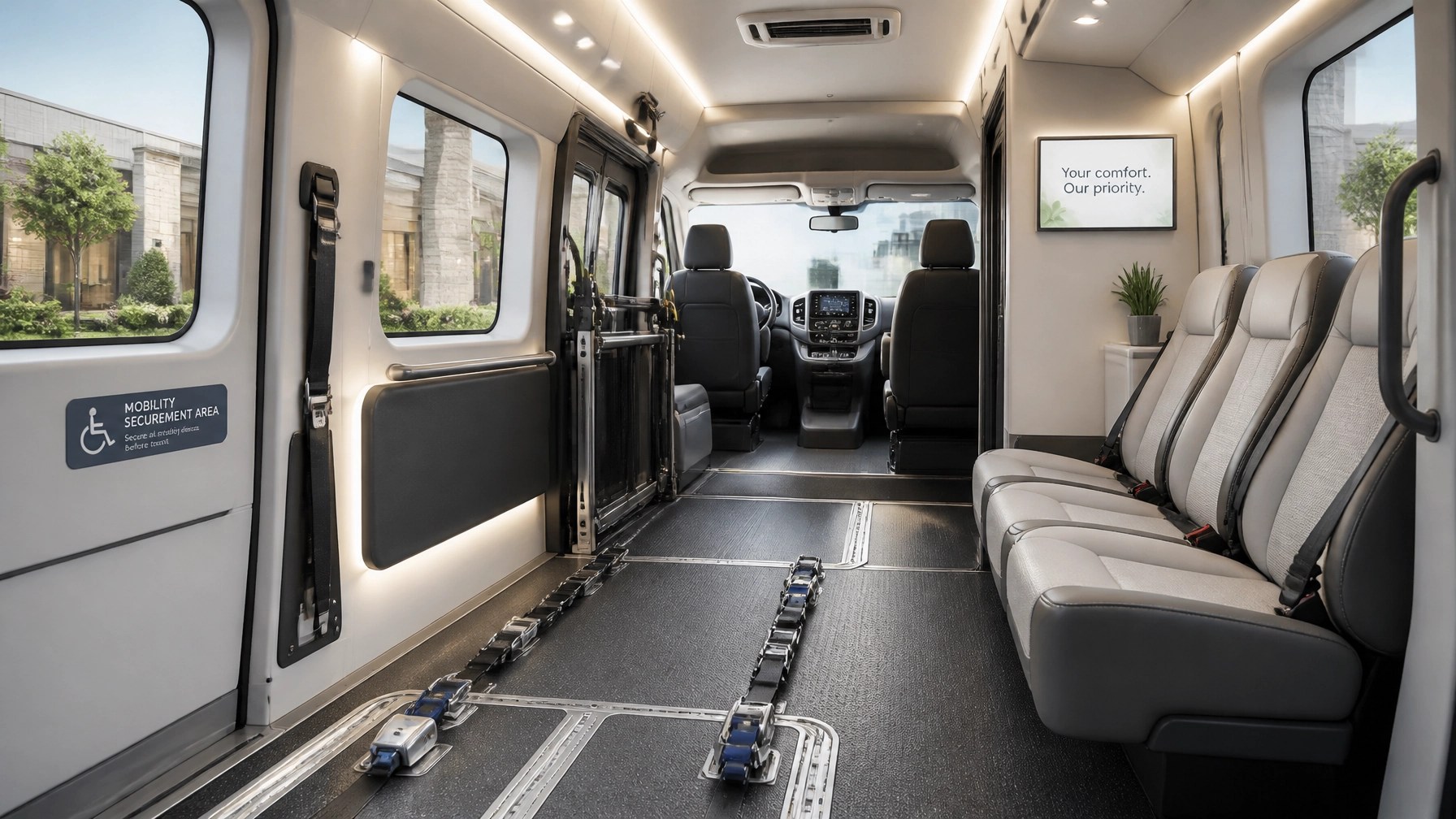
We aren't just a transportation company; we are a healthcare access company. Whether you're in a bustling city center or a remote rural landscape, our mission remains the same: removing transportation as a barrier to healthcare.
For many patients, the choice is clear. If you are ambulatory, have no mobility aids, and are going to a simple check-up, rideshare might work. But if your health depends on specialized care, your transport should be just as specialized.
When to Choose Medical Transport Over Rideshare:
- You use a mobility device: (Wheelchair, walker, or stretcher).
- You need "Door-to-Door" help: You need assistance getting from your room to the vehicle.
- Your appointment is critical: You cannot afford to be five minutes late for treatment.
- You have medical equipment: You are traveling with oxygen or other supplies.
- You want consistency: You prefer a professional driver who knows your needs.
Take the Next Step in Your Care
Specialized care requires specialized solutions. Don't leave your health to chance with a standard car service. You deserve a transportation partner that values your dignity and understands your medical journey.
If you’re ready to experience the reliability of human-centered medical transport, we’re here to help. You can explore our full range of services or contact us today to discuss your specific needs.
Tomorrow, we’ll continue our series by discussing how we’re removing the ultimate barrier: healthcare access for all. Stay tuned as we show you how Swift Ryde is changing the way the world moves toward wellness.