
A missed ride isn’t just an inconvenience. For a patient, it is a missed treatment, a delayed diagnosis, and a frustrating setback in a long health journey. Reliability in Non-Emergency Medical Transportation (NEMT) isn't a luxury; it is a fundamental necessity.
At Swift Ryde, we know that the difference between a successful recovery and a medical complication often comes down to a vehicle showing up on time. For many patients, the single most difficult barrier to staying healthy isn't the medicine, it’s the ride.
In this ultimate guide, we are pulling together everything we’ve learned about NEMT reliability. This is your roadmap to navigating the system, ensuring your loved ones get to their appointments, and understanding why a "reliable" ride means so much more than just a car in the driveway.
The High Stakes of "On-Time"
Let’s be honest: in the world of medical care, "on time" actually means arriving early. Most clinics have a strict window for check-ins. If you are ten minutes late, you might lose your slot entirely. For many patients, especially those managing chronic conditions like diabetes or hypertension, missing an appointment can lead to an emergency room visit just a few days later.
Reliable transport has been shown to reduce missed appointments by up to 50%. That is a staggering number. It means that half of the "no-shows" in healthcare aren't because people don't care about their health, it's because they couldn't find a way to get there.
1. The Quick-Start Guide to Booking Medical Rides by the Hour
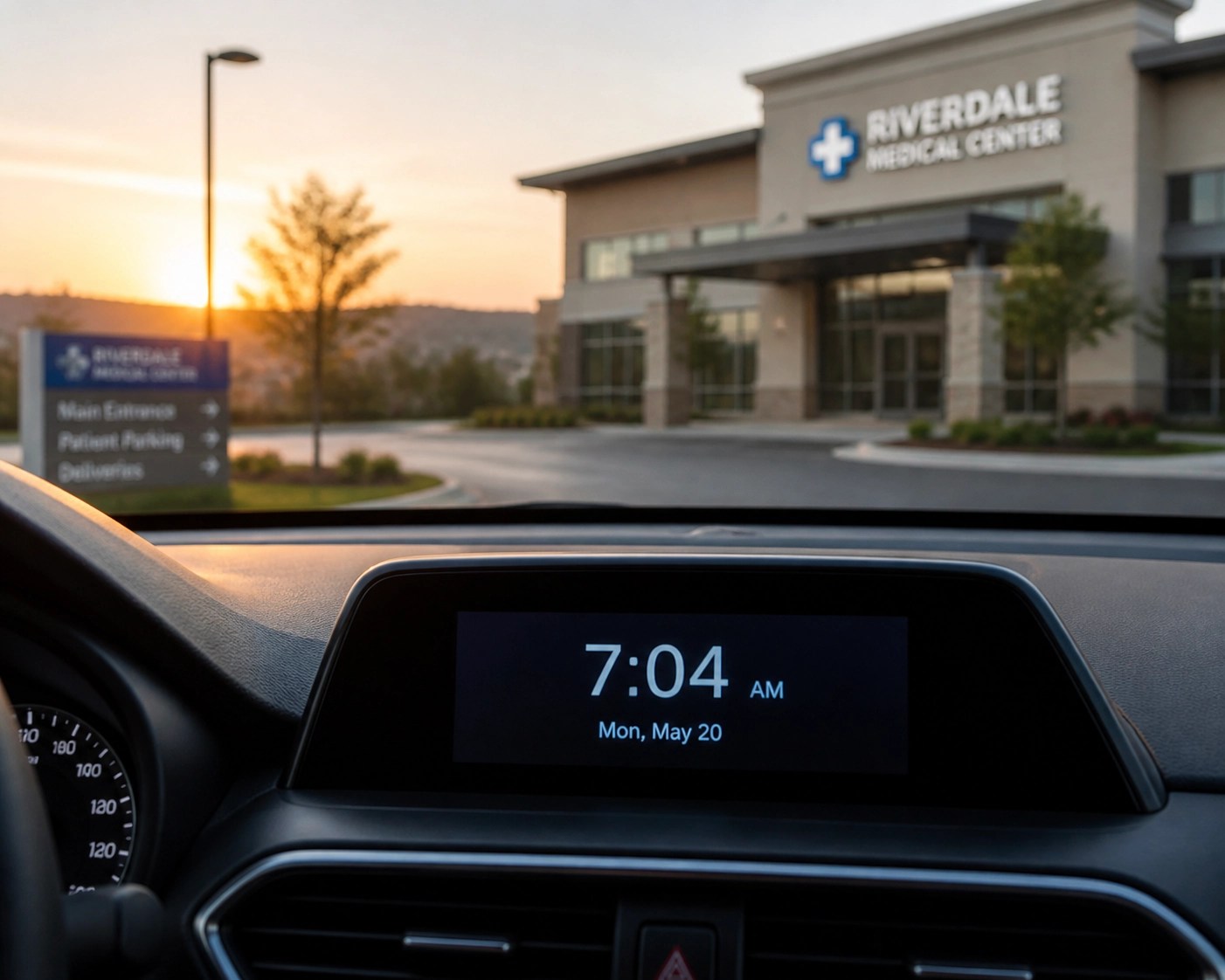
Not every medical visit is a simple "drop off and pick up." Sometimes, you have multiple stops, a specialist appointment followed by a trip to the pharmacy, or perhaps a therapy session where the end time is a bit unpredictable.
For many patients, booking a ride by the hour is the smartest move. It provides a level of flexibility that standard point-to-point transfers can't match. When you book by the hour, you aren't just paying for a seat; you are paying for the peace of mind that your driver is waiting for you, ready to go as soon as you step out of the clinic doors.
If you’re looking to explore these options, our services listing covers exactly how these hourly arrangements work to keep your day running smoothly.
2. Why Rural Healthcare Access Matters
If you live in a city, a missed ride might mean a 20-minute wait for the next one. If you live in a rural area, a missed ride might mean waiting two weeks for the next available specialist opening.
Rural healthcare access is a significant challenge in the NEMT industry. Longer distances and fewer available vehicles often mean that reliability is even more precarious. We believe that your zip code should never determine the quality of your healthcare. Reliability in rural areas requires better planning, better technology, and a commitment to showing up even when the drive is long. For many patients in these areas, NEMT is the only bridge between their home and the life-saving care they need.
3. 5 Steps to Prepare for a Wheelchair-Accessible Ride
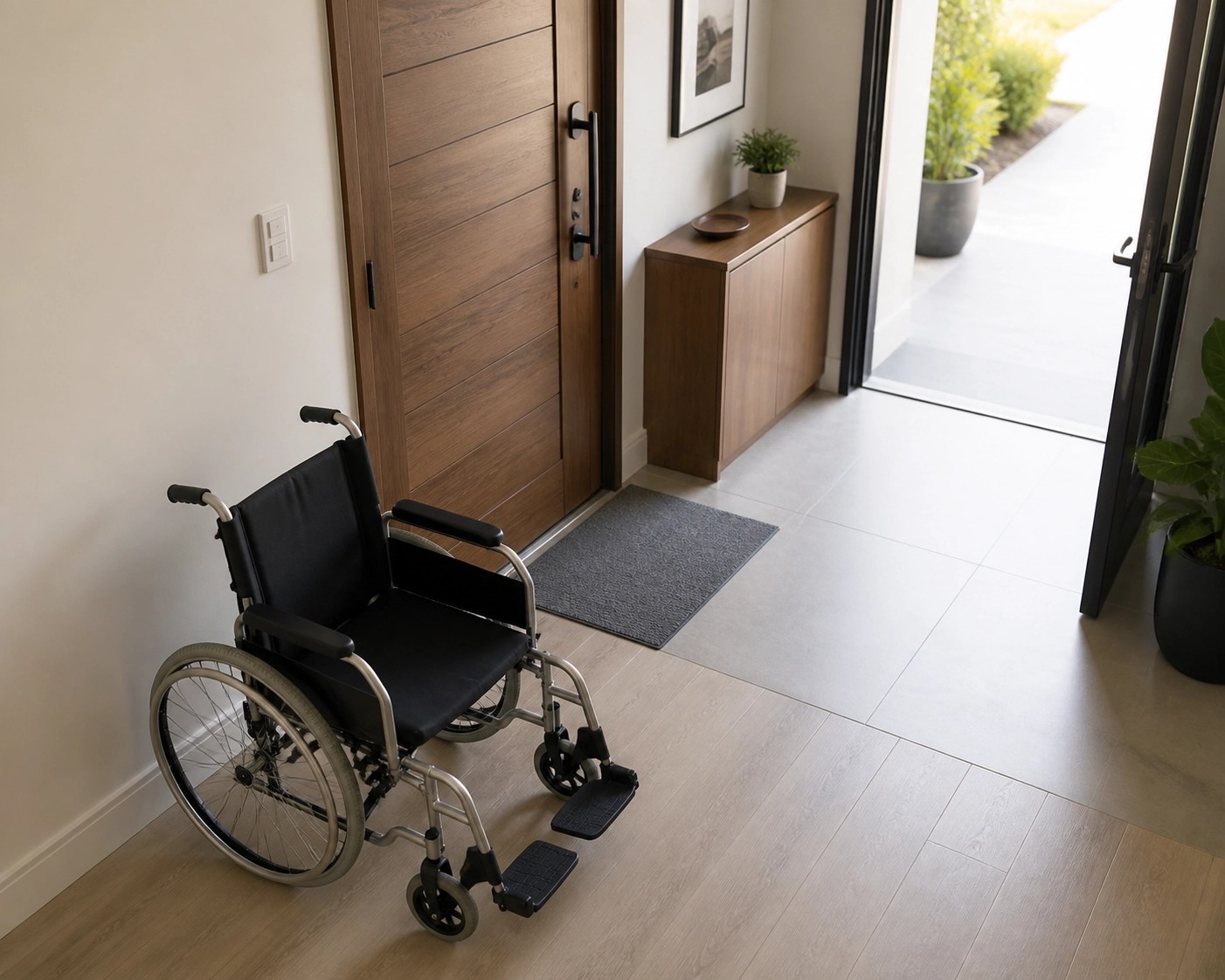
Reliability isn't just about the driver; it’s about preparation. A wheelchair-accessible ride involves more moving parts than a standard sedan ride. If the preparation isn't right, delays are inevitable.
For many caregivers, following a simple checklist can save fifteen minutes of stress at the curb:
- Check the Equipment: Ensure the wheelchair is in good working order and the tires are inflated.
- Clear the Path: Make sure ramps and walkways are clear of debris or ice.
- Communicate Dimensions: Let the provider know if the wheelchair is oversized or a power-chair.
- Ready the Paperwork: Have your IDs and appointment info ready before the driver arrives.
- Be Ready Early: Aim to be "curbside ready" ten minutes before the scheduled pickup.
4. Why Recurring Bookings Change Everything for Dialysis Appointments
Dialysis is a marathon, not a sprint. Patients typically need treatments three times a week, every week. When you are dealing with that kind of schedule, booking individual rides is a recipe for a logistical nightmare.
Recurring bookings are the gold standard for dialysis reliability. By setting a permanent schedule, the NEMT provider can bake your needs into their route optimization software. It removes the stress of "Will they remember me today?" For many patients, this consistency is the only thing that makes a grueling treatment schedule manageable. At Swift Ryde, we treat these recurring appointments with the highest priority because we know there is no room for error.
5. Medical Transport vs. Rideshare: The Real Difference
It’s tempting to pull out a smartphone and call a standard rideshare when you’re in a pinch. But medical transport isn't just about getting from Point A to Point B.
Standard rideshare drivers aren't trained in patient sensitivity, they aren't required to help you from your door to the vehicle, and their cars aren't equipped for medical needs.
- Door-to-Door Service: Standard rideshares stop at the curb. NEMT providers, like those you’ll find on our blog, offer door-to-door or even bed-to-bed assistance.
- Reliability Benchmarks: Rideshare apps work on "best effort" availability. NEMT works on guaranteed scheduling.
- Safety Standards: NEMT vehicles undergo rigorous inspections and drivers are often trained in CPR and first aid.
For many patients, the "savings" of a rideshare app disappear the moment a driver cancels because they don't want to help with a walker.

6. Removing the Barrier: Healthcare Access for All
We need to stop seeing transportation as a "perk" and start seeing it as a component of the treatment plan. When a doctor prescribes physical therapy, that prescription is useless if the patient can't get to the gym.
Removing the barrier to healthcare access means building a system where the ride is the easiest part of the day. It means using real-time GPS tracking to give families accurate arrival times. It means having a customer service team that understands the stress of a cancer diagnosis. When we solve the transportation problem, we solve a massive chunk of the healthcare outcome problem.
7. How to Book a Door-to-Door Medical Ride (The Recap)
Ready to ensure your next appointment goes off without a hitch? Here is the recap of how to do it right:
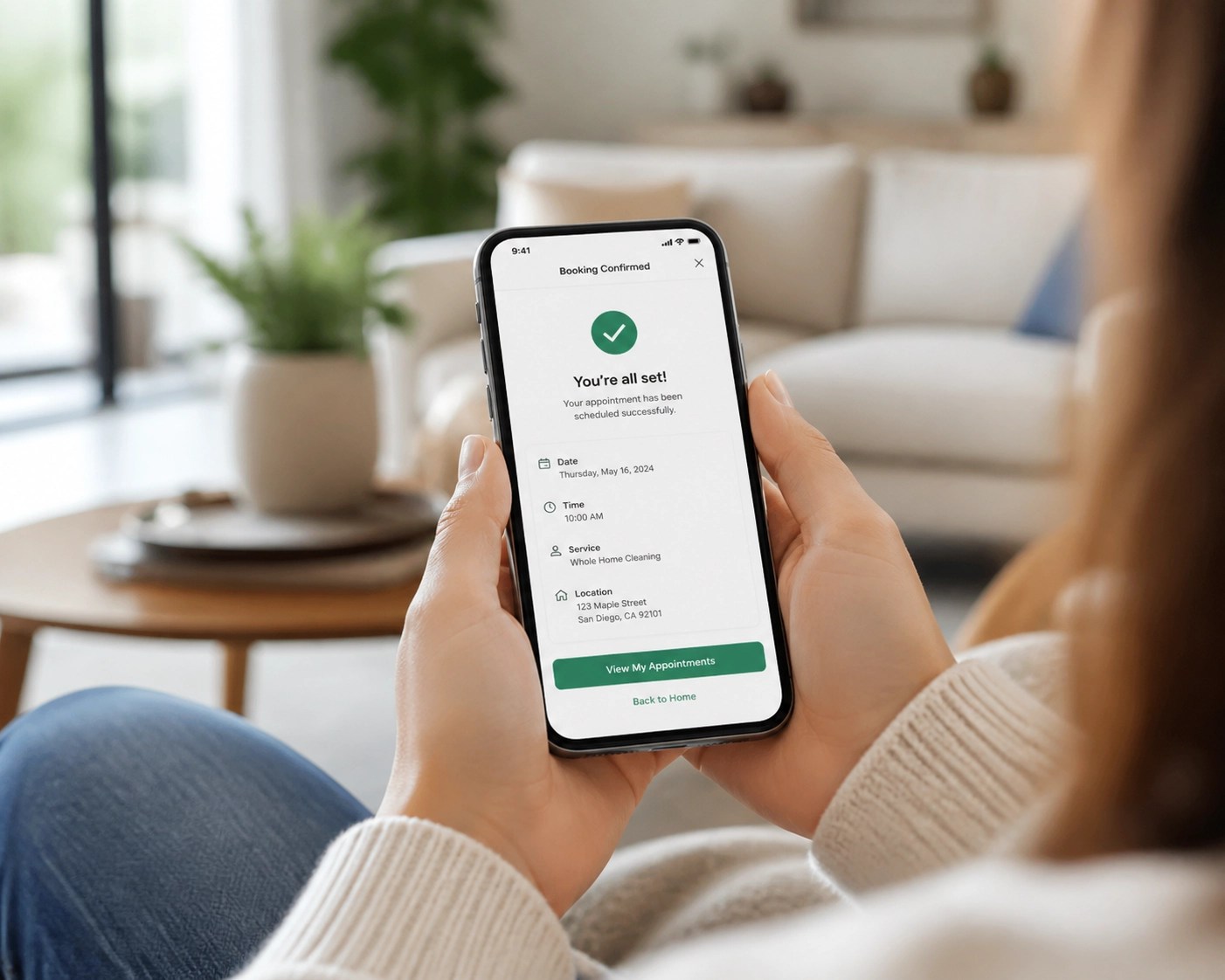
- Book Early: Give your provider at least 24 to 48 hours' notice for a standard ride.
- Specify Your Needs: Do you need a sprinter class for extra room, or is a standard sedan okay?
- Confirm the Details: Double-check the pickup time and the exact entrance of the hospital where you need to be dropped off.
- Opt-In for Alerts: Make sure you are signed up for SMS notifications so you know exactly where your driver is.
- Be Proactive: If the appointment is running late, call your provider as soon as possible to adjust the return trip.
The Swift Ryde Commitment
Reliability is a promise. It’s the promise that we will be there when we say we will. It’s the promise that your mother, your father, or your patient will be treated with the respect they deserve.
For many patients, the journey to the doctor is the most stressful part of the week. Our goal is to change that. Whether you need an airport transfer for specialized out-of-state care or a daily ride to the local clinic, we are here to make it happen.
Transportation shouldn't be a hurdle. It should be the wind at your back. If you’re ready to experience a more reliable way to move, check out our home page and let’s get your next ride on the calendar.
The future of healthcare is mobile. Let’s make sure no one gets left behind.