
Your health should never depend on your zip code. It sounds like a simple principle, but for millions of Americans, the distance between their front door and the nearest medical specialist is the single most difficult barrier to staying healthy. If you live in a rural area, you already know that "going to the doctor" isn't just a thirty-minute errand. It is a logistical operation that requires time, fuel, a reliable vehicle, and often, a significant amount of physical stamina.
At Swift Ryde, we believe that healthcare is a right, not a reward for living in a major city. Reliable transportation isn't a comfort; it is a fundamental necessity. For many patients, the lack of a ride is the primary reason they miss life-saving treatments, skip follow-up appointments, or delay seeking care until a minor issue becomes a medical emergency.
The Rural Reality: A Growing Gap in Care
The numbers are startling. Recent research shows that roughly 80% of rural America is classified as medically underserved. While urban centers might have a specialist on every corner, rural areas often have only 13 physicians for every 10,000 people. Compare that to the 31 physicians per 10,000 people found in urban hubs, and the disparity becomes clear.
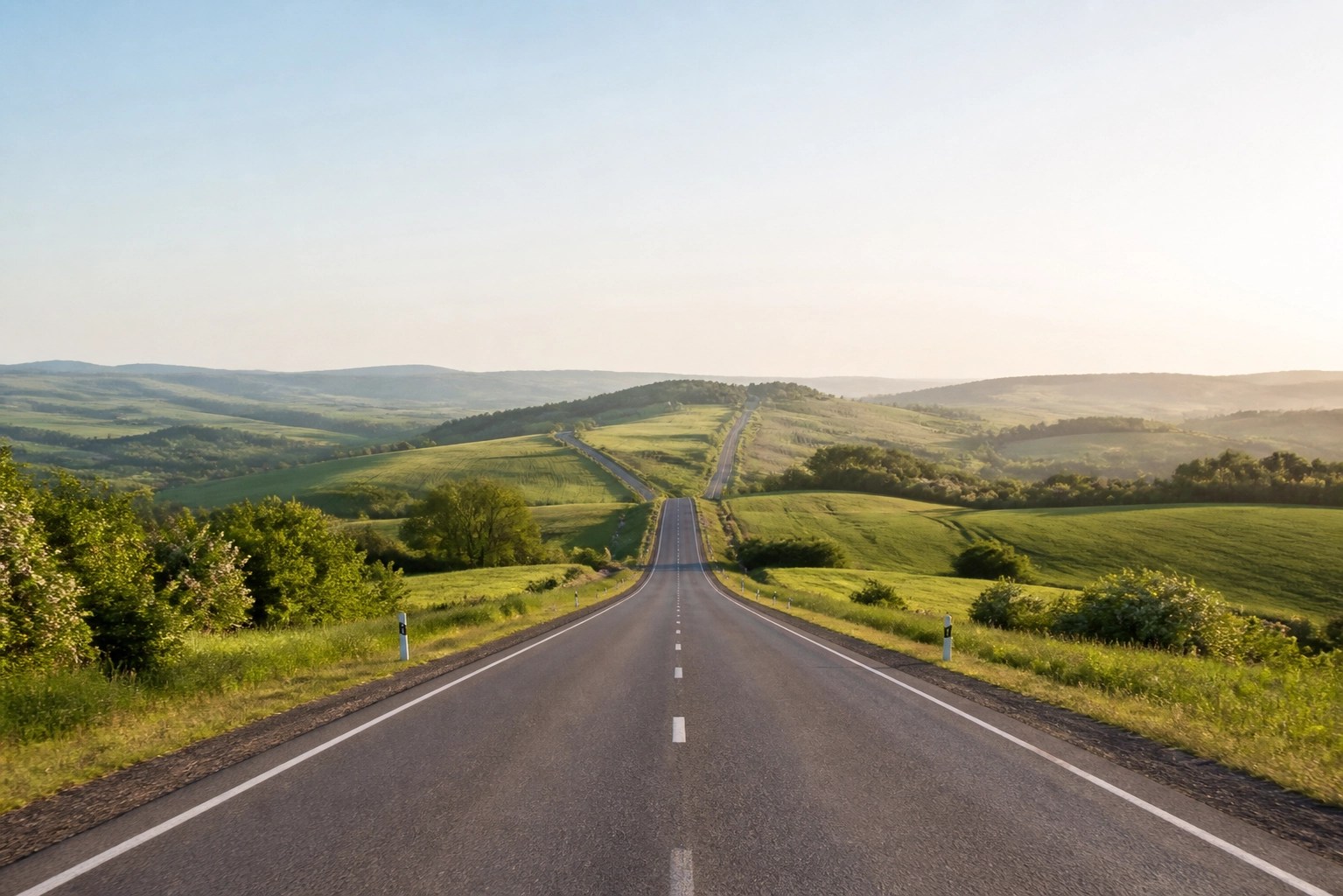
For many patients living in remote locations, the challenge isn't just finding a doctor: it’s getting to one. When the nearest oncologist, cardiologist, or dialysis center is two hours away, the road itself becomes a barrier to recovery. This "transportation desert" leaves residents vulnerable. Without public transit or reliable ride-sharing options in these areas, patients are often forced to rely on aging vehicles or the busy schedules of friends and family.
Why Geography Shouldn’t Dictate Outcomes
For many patients, the struggle to access care leads to a dangerous cycle of "wait and see." If a trip to the clinic requires a whole day of planning and high fuel costs, it’s tempting to push that appointment back. But in healthcare, timing is everything.
Managing chronic conditions like diabetes or heart disease requires consistency. When geographic distance prevents that consistency, health outcomes decline. This is why specialized NEMT (Non-Emergency Medical Transportation) is so critical. It bridges the gap between the patient’s home and the care they deserve. Whether it’s a routine check-up or a specialized procedure, the distance shouldn't be the reason a patient stays home.
The Physical and Emotional Toll of the Long Drive
Driving long distances is taxing for anyone, but for someone recovering from surgery or managing a chronic illness, it can be nearly impossible. For many patients, the physical act of driving for two hours each way causes more harm than the doctor visit does good.
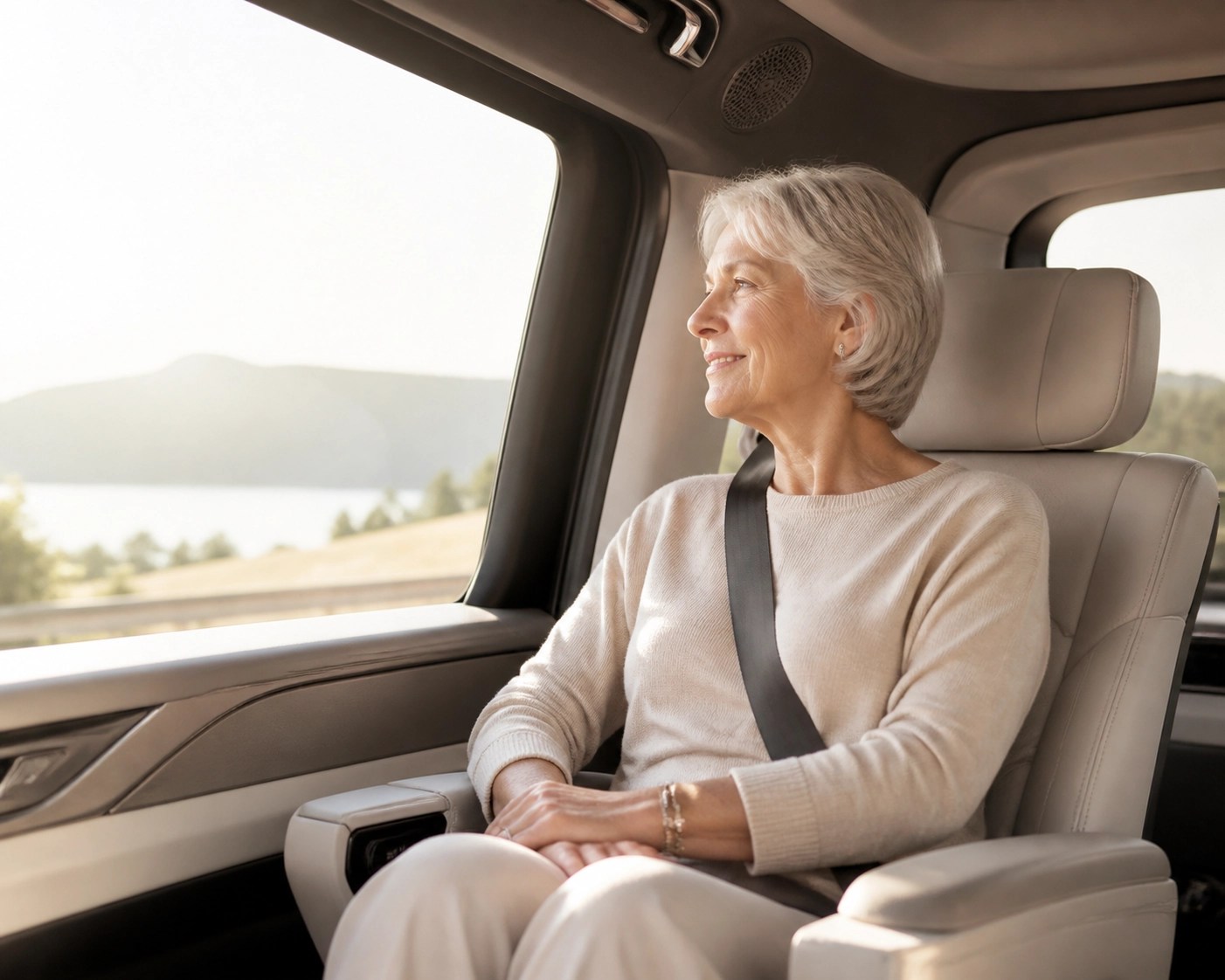
Fatigue, pain, and the stress of navigating traffic in a distant city can exacerbate medical conditions. This is where professional transport makes a difference. When you book a chauffeur-hailing service or a dedicated medical ride, you aren't just paying for a seat in a car. You are paying for the ability to rest, recover, and arrive at your appointment with the mental and physical energy needed to focus on your health.
Breaking the Cycle of Missed Appointments
Missed appointments are more than just a scheduling headache for clinics; they are a major driver of rising healthcare costs and declining patient health. For many patients, a missed ride to a dialysis appointment or a chemotherapy session can result in immediate hospitalization.
In rural areas, where hospital closures are becoming more frequent, the pressure on the remaining facilities is immense. When patients can't get to their local clinic, they often end up in the emergency room of a city hospital hours away. This puts a strain on the patient, their family, and the healthcare system as a whole. Reliable transportation is the intervention that keeps patients out of the ER and in the hands of their primary care providers.
Swift Ryde: Bringing Reliability to Remote Areas
At Swift Ryde, we specialize in solving the "last mile" (and the "last fifty miles") problem. We understand that rural healthcare access requires more than just a car; it requires a commitment to reliability.
For many patients, our intercity rides provide a bridge to the specialty care they can't find locally. We don't just pick you up; we ensure you are supported throughout the journey. Our drivers are trained to understand the needs of patients, providing a level of care and punctuality that standard rideshare apps simply cannot match in remote locations.

Why Traditional Rideshare Fails Rural Patients
It’s a common misconception that app-based rideshare services can fill the gap in rural areas. However, these services rely on a high density of drivers and passengers to be profitable. In remote locations, a driver might be twenty or thirty miles away, making the wait times unpredictable and the likelihood of a "no-show" incredibly high.
For a medical appointment, "unpredictable" isn't good enough. You can’t afford to wait an hour for a driver who might cancel at the last minute. You need a scheduled, guaranteed ride. Dedicated medical transport services prioritize the patient’s schedule, ensuring that the car is at the door exactly when it needs to be. This level of reliability is what turns a stressful day into a manageable one.
The Role of Technology and Telehealth
While transportation is the physical solution, technology is the supporting structure. Telehealth has made incredible strides in providing consultations for rural patients, but it has its limits. You can’t get an MRI over Zoom. You can’t receive a physical treatment through a screen.
The future of rural healthcare is a hybrid model: telehealth for quick check-ins and reliable travel transfers for the essential, in-person care that saves lives. By combining these two, we can finally begin to level the playing field for remote residents.
Tips for Planning Your Rural Medical Trip
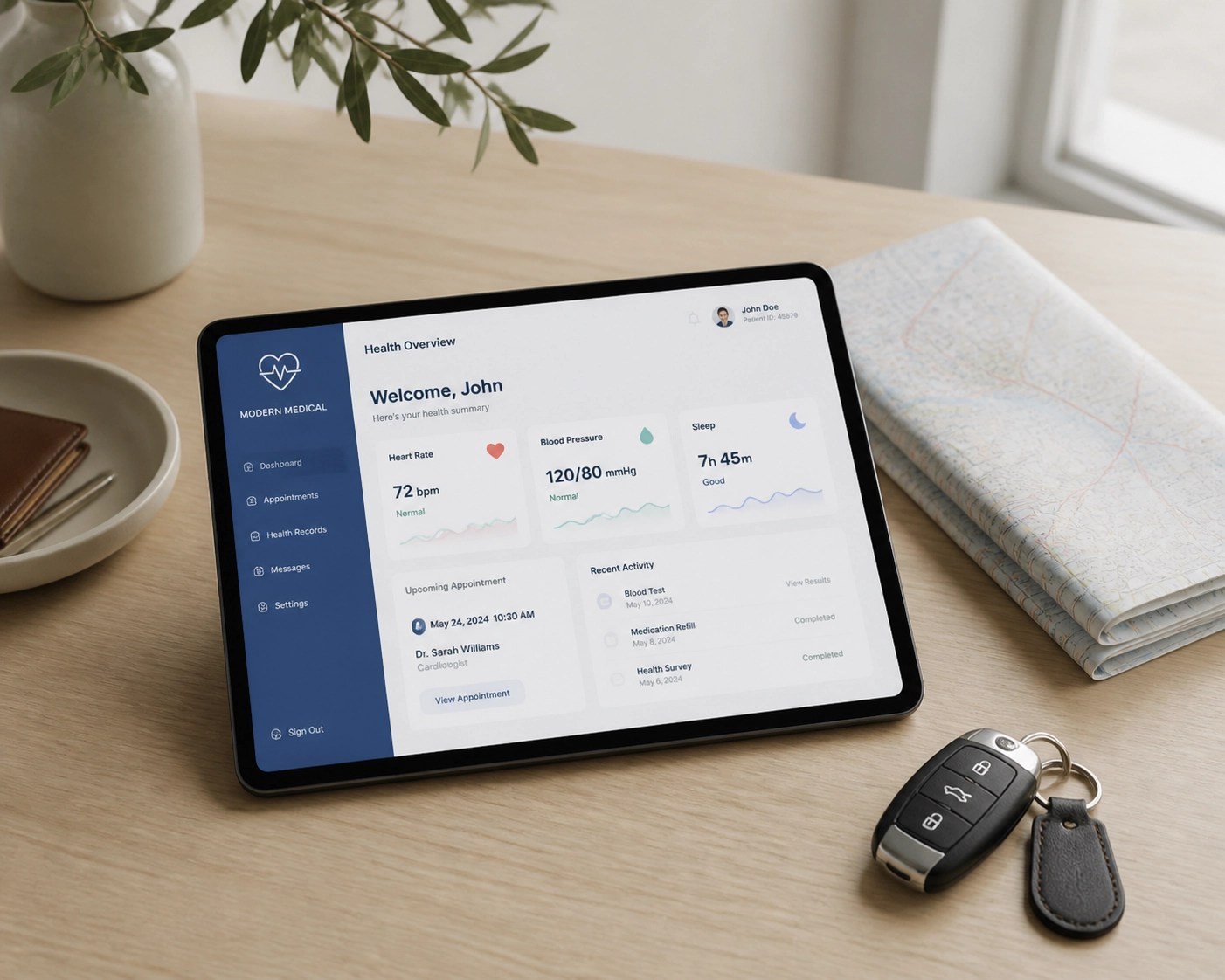
If you or a loved one lives in a remote area and needs to access care, preparation is key. Here are a few ways to make the process smoother:
- Book in Advance: Don't wait until the morning of your appointment. Secure your transport at least 48 to 72 hours ahead of time to ensure availability.
- Verify the Vehicle: If you use a wheelchair or have mobility aids, ensure the vehicle is equipped to handle them.
- Plan for the Return: Make sure your transport provider knows how long your appointment is expected to last so they can be ready when you are.
- Communicate Your Needs: If you need help getting from your door to the car, let the service know upfront. Professional NEMT services are built for this kind of "door-to-door" assistance.
A Commitment to Community Health
Swift Ryde isn't just a transportation company; we are a partner in your health journey. We know that for many of our neighbors, the road to recovery starts with an actual road. By providing reliable, professional, and empathetic transport, we are helping to ensure that no one is left behind simply because of where they chose to call home.
Access to healthcare shouldn't be a luxury reserved for those in the city. It is time to remove the barrier of distance. Whether you are a patient, a caregiver, or a healthcare provider, let’s work together to make sure every patient gets to their appointment, every time.
If you’re ready to schedule a ride or want to learn more about how we support rural communities, visit our home page today. We’re here to make sure the distance never stands in the way of your well-being.

Looking Forward
The challenges of rural healthcare are real, but they are not insurmountable. Through a combination of community support, better policy, and reliable transportation services like Swift Ryde, we can change the narrative. We can move from a system where distance is a barrier to one where care is truly accessible to everyone, everywhere.
Stay tuned for the next part of our series, where we will dive into the specifics of preparing for a wheelchair-accessible ride: ensuring that your journey is as smooth and comfortable as possible.