
Getting to the doctor shouldn’t feel like a cross-country expedition. For many patients living in rural areas, a simple check-up requires more planning than a family vacation. Distance isn't just a number on a map; it is a physical barrier to staying alive. When you live miles away from the nearest clinic, "routine" care becomes anything but routine.
At Swift Ryde, we see the struggle every day. We see patients skipping dialysis because their ride fell through. We see seniors missing oncology appointments because they don’t want to be a "burden" to their neighbors. Rural healthcare access isn't a luxury: it’s a fundamental right that is currently under fire.
Here are 10 reasons why your rural healthcare access is falling short and, more importantly, how we can start fixing it.
1. The Critical Shortage of Local Clinicians
The most obvious barrier is that there simply aren't enough doctors. More than 60% of Primary Care Health Professional Shortage Areas are located in rural communities. When there is only one doctor for an entire county, wait times explode and quality of care can dip due to physician burnout.
The Fix: We need to support programs that incentivize medical students to practice in rural areas. From a patient perspective, utilizing mid-level providers like Nurse Practitioners and Physician Assistants can bridge the gap.
2. Transportation Is the Single Biggest Barrier
For many patients, the car in the driveway is the only thing standing between them and a healthy life. If that car breaks down, or if the patient is no longer able to drive themselves, healthcare access stops immediately. Public transit is non-existent in most rural pockets, leaving people stranded.
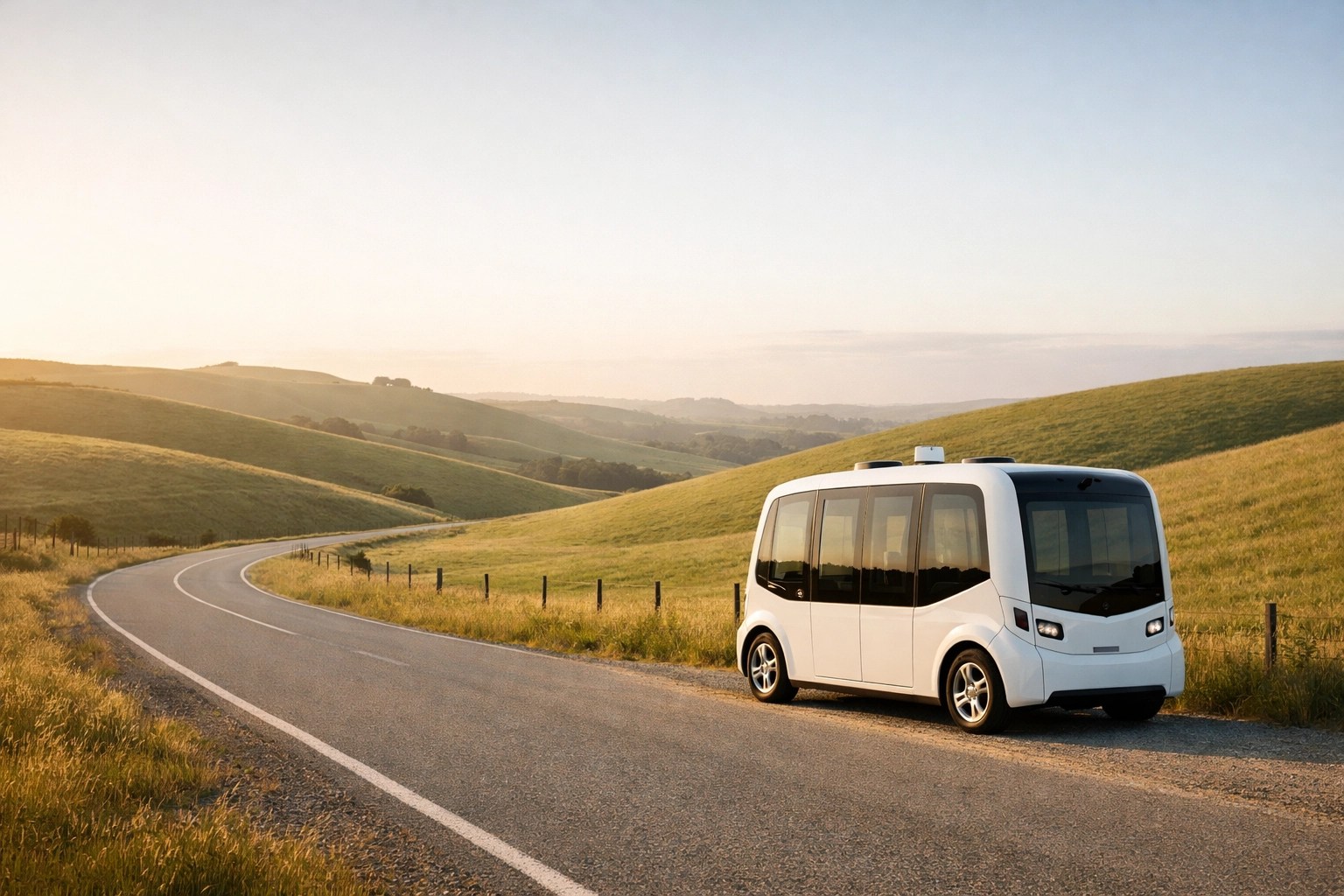
The Fix: This is where professional NEMT (Non-Emergency Medical Transportation) comes in. Relying on a neighbor is fine for a grocery run, but for recurring medical needs, you need a reliable service. Professional transportation ensures you make it to your appointment regardless of your own vehicle's status.
3. The "Medical Desert" Effect from Hospital Closures
Over the last decade, hundreds of rural hospitals have shuttered their doors. When a local hospital closes, it doesn’t just mean you have to drive further for an ER visit. It means the local specialists, the lab techs, and the imaging centers all disappear too. The entire healthcare ecosystem of the town collapses.
The Fix: Advocating for policy changes at the state level to keep rural facilities open is vital. Locally, we can support "micro-hospitals" or rural health clinics that offer essential services without the massive overhead of a full-scale hospital.
4. Specialty Care Is Often Hours Away
If you need a cardiologist, an oncologist, or a neurologist, you are likely looking at a two-hour drive: each way. For many patients, these specialized treatments are the difference between recovery and decline. Long-distance travel is exhausting, expensive, and often prevents people from seeking the specialized help they need.
The Fix: Telehealth can handle some consultations, but for physical procedures, you need a plan. Booking a door-to-door medical ride allows the patient to rest during the long commute, making the trip physically manageable.
5. The Digital Divide and Telehealth Limitations
Telehealth was supposed to be the great equalizer, but it only works if you have high-speed internet. Many rural areas still struggle with "dead zones" or slow satellite connections that make a video call with a doctor impossible. If the screen freezes while you're describing your symptoms, the care is compromised.
The Fix: Investment in rural broadband is a necessity, not a perk. In the meantime, some local libraries or community centers are setting up "telehealth booths" with high-speed connections for residents to use.
6. Financial Fragility and Out-of-Pocket Costs
Living in a rural area often comes with higher rates of uninsurance or underinsurance. Even with insurance, the cost of traveling to a distant city: gas, meals, hotel stays for multi-day treatments: adds up fast. For many families, the choice is between paying for the trip to the doctor or paying the electric bill.
The Fix: Patients should look into B2B healthcare solutions or community grants that help cover the cost of medical transport. Many insurance plans actually include NEMT benefits that go unused because patients don't know they exist.
7. The Burden on Caregivers
In rural settings, the "caregiver" is usually a spouse or an adult child who also has a full-time job. When the nearest specialist is 50 miles away, that caregiver has to take a full day off work for every appointment. This leads to caregiver burnout and financial strain on the entire family.
The Fix: Shift the burden from the family to professional services. Using a reliable ride service for recurring appointments, like dialysis, allows the caregiver to stay at work while knowing their loved one is safe and on time.
8. Higher Rates of Chronic Illness
Statistically, rural populations are older and face higher rates of chronic diseases like diabetes, heart disease, and obesity. These conditions require frequent monitoring. When access is difficult, these manageable conditions turn into emergencies.
The Fix: Preventive care is the key. Fixing the transportation and access issues for routine check-ups prevents the catastrophic health events that require emergency room visits.

9. Infrastructure and Environmental Factors
Dirt roads, heavy snow, and lack of street lighting make travel dangerous in many rural areas, especially for elderly patients or those with mobility issues. If the weather is bad, the patient stays home, even if the appointment is critical.
The Fix: Use transportation services that employ drivers trained for these conditions. Reliable NEMT providers use vehicles equipped for various terrains and drivers who understand the specific geographic challenges of your area.
10. The Stigma of Seeking Help
In close-knit rural communities, privacy can feel scarce. Some patients avoid seeking mental health services or treatment for sensitive issues because they don't want their neighbors to see their car parked at the clinic.
The Fix: Professional, discreet transportation helps maintain privacy. It’s also important to continue the conversation about health as a normal part of life, reducing the stigma associated with seeking care.

Moving Toward a Reliable Solution
Fixing rural healthcare access isn't going to happen overnight, but we can't wait for the system to change itself. We have to take active steps to bridge the gap today.
For many patients, the first step is realizing that you don't have to do this alone. You don't have to rely on a broken-down car or a busy neighbor. Whether it's a trip to a specialist in the city or a recurring appointment at the local clinic, professional transport is the bridge that connects you to the care you deserve.
At Swift Ryde, we believe that your zip code should never determine your health. We are committed to being the reliable link in your healthcare chain. If you're struggling to get to your appointments, or if you're a caregiver feeling the weight of the commute, it might be time to look into a better way.
Take the first step toward better access:
- Check your insurance policy for NEMT coverage.
- Advocate for better broadband in your county.
- Learn how to book a medical ride that actually shows up.
Healthcare is a journey. We’re just here to make sure you actually get there.