
A late ride isn't just an inconvenience. For a patient waiting for dialysis or a senior heading to a critical specialist appointment, an unreliable transport service is a health crisis. At Swift Ryde, we believe transportation should never be the reason a person misses life-saving care. Yet, for millions of Americans, it is the single most difficult barrier to staying healthy.
If you’ve ever been left waiting on a curb or had a driver show up in a vehicle that couldn't accommodate a wheelchair, you know the frustration. The system is often broken, but it doesn't have to be. As part of our 7-day series on Non-Emergency Medical Transportation (NEMT) reliability, we’re diving deep into why the current standard is failing and how we can fix it together.
1. The Accountability Gap
The most common reason for a no-show is a lack of direct accountability. Many medical transport systems use a "broker" model. You call a call center, they call a dispatcher, and that dispatcher finds a random driver. By the time the request reaches the person behind the wheel, your specific needs: like needing a door-to-door escort: are lost in translation.
The Fix: You should always look for a provider that offers a direct line of communication. When you book through a specialized service like Swift Ryde’s travel transfers, you aren't just a number in a database. You need a provider that takes ownership of the entire journey, from booking to drop-off.
2. The "Curb-to-Curb" Trap
Most standard rideshare apps and basic transport services offer "curb-to-curb" service. For many patients, the journey doesn't start at the curb; it starts in the living room. If a driver refuses to help a patient move from their front door to the vehicle, the transport is effectively useless.
The Fix: Demand "Door-to-Door" or "Hand-to-Hand" service. This isn't a luxury; it’s a necessity for safety. Make sure your provider understands that the ride includes assistance getting in and out of the building.

3. Geographic Isolation and Rural Barriers
Rural healthcare access matters, and it is arguably the most significant hurdle in the NEMT industry. If you live outside a major city, finding a reliable ride is twice as hard. Many companies simply won't travel the extra miles, leaving rural patients stranded.
The Fix: Reliability in rural areas requires a provider committed to community access. We focus heavily on removing the barriers to healthcare access by ensuring our fleet is available even in less densely populated areas. If your current provider ducks out of rural calls, it’s time to switch to one that views rural access as a priority, not an inconvenience.
4. The Wrong Vehicle for the Job
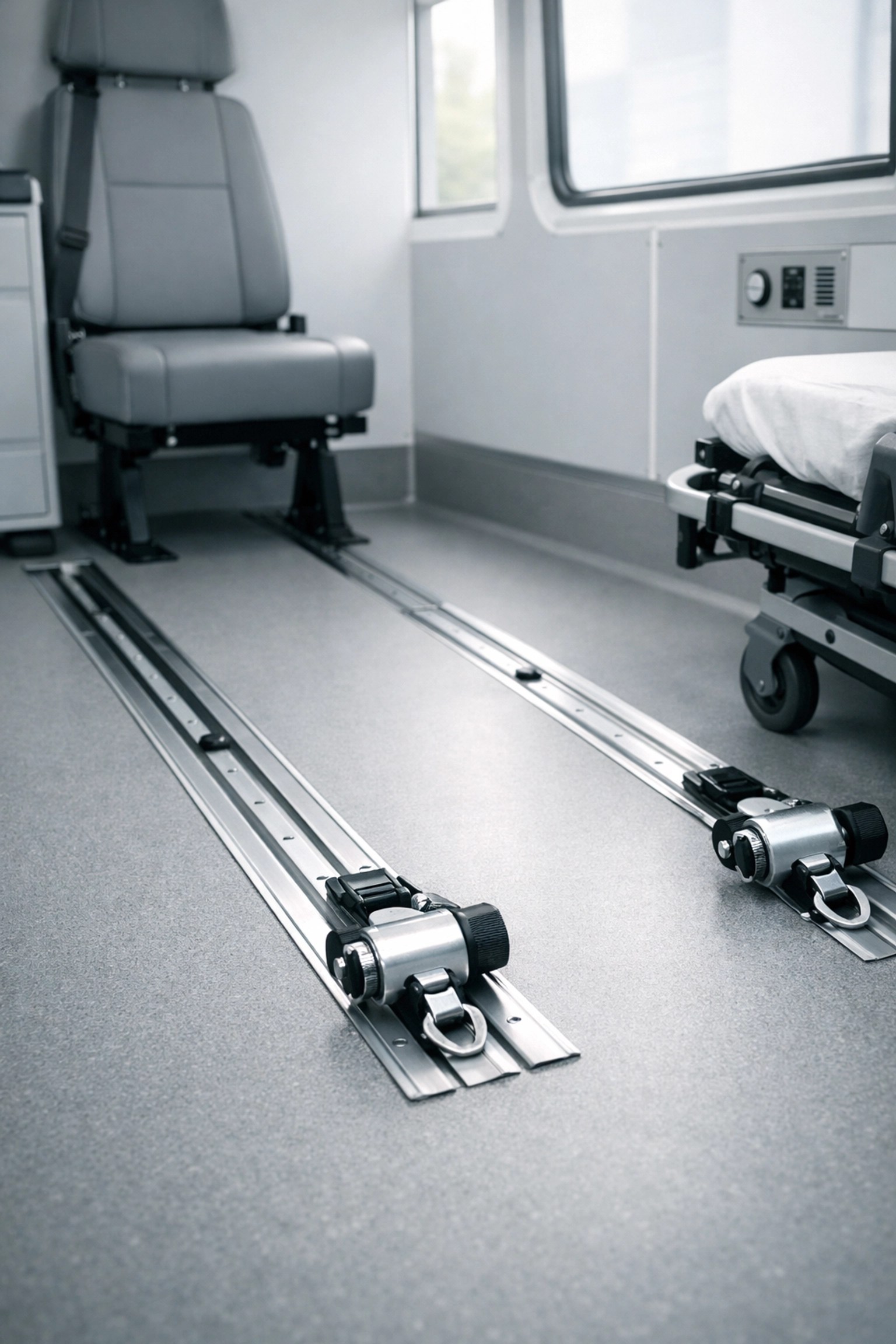
There is nothing worse than a transport van arriving that isn't actually wheelchair accessible. Many companies claim to be "accessible" but show up with a vehicle where the ramp is broken or the tie-downs are missing.
The Fix: Preparation is key. We recommend following a strict checklist before any trip. If you’re unsure, check out our guide on 5 steps to prepare for a wheelchair-accessible ride. Always confirm the vehicle type 24 hours in advance and ask for a specialized vehicle like a Sprinter class if you need extra room for equipment or a caregiver.
5. Communication Breakdowns
Information shouldn't disappear into a black hole once you hang up the phone. Reliable transport requires real-time updates. If your current service can’t tell you exactly where your driver is, they aren't reliable enough for medical needs.
The Fix: Use services that provide SMS updates and real-time tracking. At Swift Ryde, we prioritize transparent communication. You can learn more about how we handle data and updates in our SMS terms of service. Knowing your driver is "two minutes away" reduces the anxiety that comes with medical appointments.
6. Rideshare is Not Medical Transport
For many patients, the "cheaper" option is to call a standard rideshare app. But standard rideshare drivers aren't trained in patient sensitivity, HIPAA compliance, or physical assistance. A rideshare driver can cancel on you the moment they see a wheelchair, leaving you stranded.
The Fix: Stop treating medical appointments like grocery runs. Medical transport is a professional service. While rideshare has its place, Medical Transport vs. Rideshare is a comparison of safety versus convenience. For health-related trips, the professional training of a dedicated NEMT driver is the only way to ensure you actually make it to your appointment.
7. The Scheduling Nightmare
Medical needs are often recurring. Dialysis, physical therapy, and chemotherapy aren't one-time events. Having to re-book a ride every single time creates a massive mental load and a high margin for error.
The Fix: Recurring bookings change everything. For dialysis appointments specifically, setting up a recurring schedule ensures you are never "forgotten" in the system. It turns a stressful weekly task into a background process that just works.
8. Inadequate Driver Training
A driver who doesn't understand the fragility of a patient is a liability. Whether it’s driving too fast, taking corners too hard, or not knowing how to speak to a patient with cognitive impairments, lack of training is a major reliability red flag.
The Fix: Ask your provider about their driver vetting process. Professional services like ours have dedicated driver support and training modules to ensure every person behind the wheel understands the "care" in healthcare.
9. Hidden Costs and Lack of Transparency
Reliability isn't just about showing up; it’s about financial trust. If you get a bill three weeks later with "fuel surcharges" and "waiting fees" you weren't told about, that service is unreliable.
The Fix: Look for transparent, hourly, or flat-rate booking options. Our Quick-Start Guide to Booking Medical Rides by the Hour explains how transparent pricing helps families plan their budgets without nasty surprises.

10. The "No-Show" Culture
In some sectors of the NEMT industry, a 10-15% no-show rate is considered "normal." We think that’s unacceptable. A no-show is a failed medical intervention.
The Fix: Switch to a provider that measures success by "On-Time Performance." If your current service doesn't have a plan for when a driver is delayed, they don't have a plan for your health. Reliable providers always have a backup fleet or a dispatch team working 24/7 to fill gaps.
How to Take Control of Your Transport Today
For many patients and caregivers, the struggle to find a ride feels like a second job. But you shouldn't have to be a logistics expert just to see your doctor. Reliability is a fundamental necessity, and fixing it starts with choosing a partner that values your time as much as your health.
If your current medical transport is failing these ten tests, it’s time to make a change. Here is how you can start:
- Audit your current rides: Keep a log of every time a ride is late or the vehicle is inappropriate.
- Ask the hard questions: Call your current provider and ask about their driver training and door-to-door policies.
- Switch to a specialized service: Don't settle for "general" transportation when you need medical-grade care.
At Swift Ryde, we are dedicated to being the reliable choice. Whether you need a simple intercity ride to a specialist in another city or a recurring van for weekly treatments, we have the infrastructure to support you.

Healthcare access is a right, but without a ride, that right is out of reach. Let's remove the barriers together. If you're ready to experience what reliable, professional medical transport looks like, contact our team or visit our rider support page to learn more about how we can help you or your loved ones get where they need to go: safely and on time.
Next in our series: Rural Healthcare Access Matters: Why Distance Should Never Determine Care. Keep an eye on our blog for more insights on navigating the world of NEMT.