
Your zip code should never determine your life expectancy. For many patients living in remote areas, the single most difficult barrier to staying healthy isn't the diagnosis itself: it’s the miles between their front door and the doctor’s office.
Distance is a medical hurdle. In rural America, specialized care isn't just a five-minute drive away. It’s often a multi-hour trek across county lines. When you live in a "transportation desert," a simple follow-up appointment becomes a logistical nightmare. Reliability isn't just a comfort; it is a fundamental necessity for survival. At Swift Ryde, we believe that healthcare access is a right, not a luxury reserved for city dwellers.
The Hidden Crisis of the "Transportation Desert"
For many patients, the struggle starts long before they reach the exam room. Living in a rural area often means having zero access to public transit. There are no subways, no frequent bus routes, and often, no reliable taxi services. This creates a "transportation desert" where patients are left stranded, forced to rely on the schedules of busy neighbors or overextended family members.
Missing a single appointment might seem small to some, but in the world of chronic illness, it’s a dangerous setback. For a patient managing diabetes or heart disease, a missed check-up can lead to an emergency room visit a month later. The math is simple: no ride equals no care. This gap in access leads to poorer health outcomes for rural residents compared to their urban counterparts. It is a systemic failure that requires a specialized solution.

Why Traditional Rideshare Fails Remote Patients
Relying on standard rideshare apps like Uber or Lyft in remote areas is a gamble most patients can’t afford to take. While these services are revolutionary in major cities, they often fall apart in the countryside.
First, there is the issue of availability. In rural zones, there are fewer drivers on the road. You might open the app only to see "No cars available" or a 45-minute wait time that keeps climbing. For a patient who needs to be at a 9:00 AM specialist appointment, this uncertainty is a source of immense stress.
Second, traditional rideshare drivers are rarely trained for medical needs. They are looking for quick turnarounds, not the patience required to help a senior with a walker or a patient recovering from a procedure. They are "curb-to-curb" services. If you need help getting from your living room to the vehicle, a standard rideshare driver is likely to cancel the ride the moment they see the extra effort required.
Third, the vehicles themselves are often unsuitable. If you need a wheelchair-accessible ride, a standard sedan simply won't cut it. You need a vehicle designed for the job and a driver who knows how to secure your equipment safely.
The NEMT Difference: Built for Reliability
Non-Emergency Medical Transportation (NEMT) is the bridge that closes the rural healthcare gap. Unlike a standard taxi, NEMT is built specifically for the patient’s journey. At Swift Ryde, we don't just see a "passenger"; we see a patient who has a critical schedule to maintain.
Reliability in NEMT means your ride is scheduled in advance. You aren't crossing your fingers and hoping a driver happens to be nearby. When you book through our services listing, you are securing a dedicated professional who knows exactly where you are and where you need to go.
For many patients, the "door-to-door" aspect of NEMT is the most vital feature. In rural areas, driveways can be long, and porch steps can be steep. A reliable medical transport driver doesn't just pull up to the mailbox; they ensure you are safely out of your home and into the vehicle. This level of care removes the physical and mental exhaustion that often prevents rural patients from seeking care in the first place.
Navigating Local Resources and Community Support
If you are struggling to find a ride in a remote area, you aren't alone. Beyond private services, there are community-based programs designed to help.
- Area Agency on Aging: This is a goldmine for seniors living in rural areas. They can often direct you to local grant-funded programs or volunteer networks specifically trained to assist with medical trips.
- Community Vans and Church Networks: In many small towns, local organizations fill the gaps that the government misses. These programs often provide door-to-door service, though they may require booking weeks in advance due to high demand.
- Regional Transportation Authorities: Some rural counties operate on-demand vanpools. These are more reliable than traditional buses but often require you to fit into a specific "route" or time window.
While these programs are incredible, they can sometimes be inconsistent due to their reliance on volunteers. That’s where a professional service like Swift Ryde steps in to provide the guaranteed reliability that medical schedules demand.

How to Prepare for Your Long-Distance Medical Ride
When your doctor is two towns away, preparation is the key to a stress-free trip. For many patients, the journey itself can be tiring, so setting yourself up for success is essential.
- Book Early: In rural areas, the "on-demand" model is risky. Always try to book your ride as soon as your medical appointment is confirmed. You can easily manage this through our booking portal.
- Verify the Vehicle Type: If you have mobility aids, make sure the service provider knows. A rural road can be bumpy; you want a vehicle that can handle the terrain and keep your wheelchair or walker secure.
- Pack Essentials: Since rural rides take longer, bring a small bag with your medications, a bottle of water, and any necessary medical records.
- Confirm the Return Trip: Don't get stranded at the clinic. Ensure your ride is booked "round-trip" so you have the peace of mind knowing your driver will be there once your appointment ends.
Frame Transportation as a Fundamental Necessity
We need to stop viewing transportation as a "perk" of healthcare and start seeing it as a vital signs of the system. If a patient can't get to the clinic, the best doctors and the most advanced equipment in the world are useless.
For many patients, the fear of being a "burden" to their family prevents them from asking for rides. This leads to isolation and declining health. By using a professional service like Swift Ryde, patients regain their independence. They aren't "asking for a favor"; they are taking control of their own health journey.
Our drivers understand the rural landscape. They know the backroads, they understand the distance, and they value the trust you place in them. Whether it’s a routine check-up or a specialized treatment, we are committed to making sure that "remote" doesn't mean "forgotten."
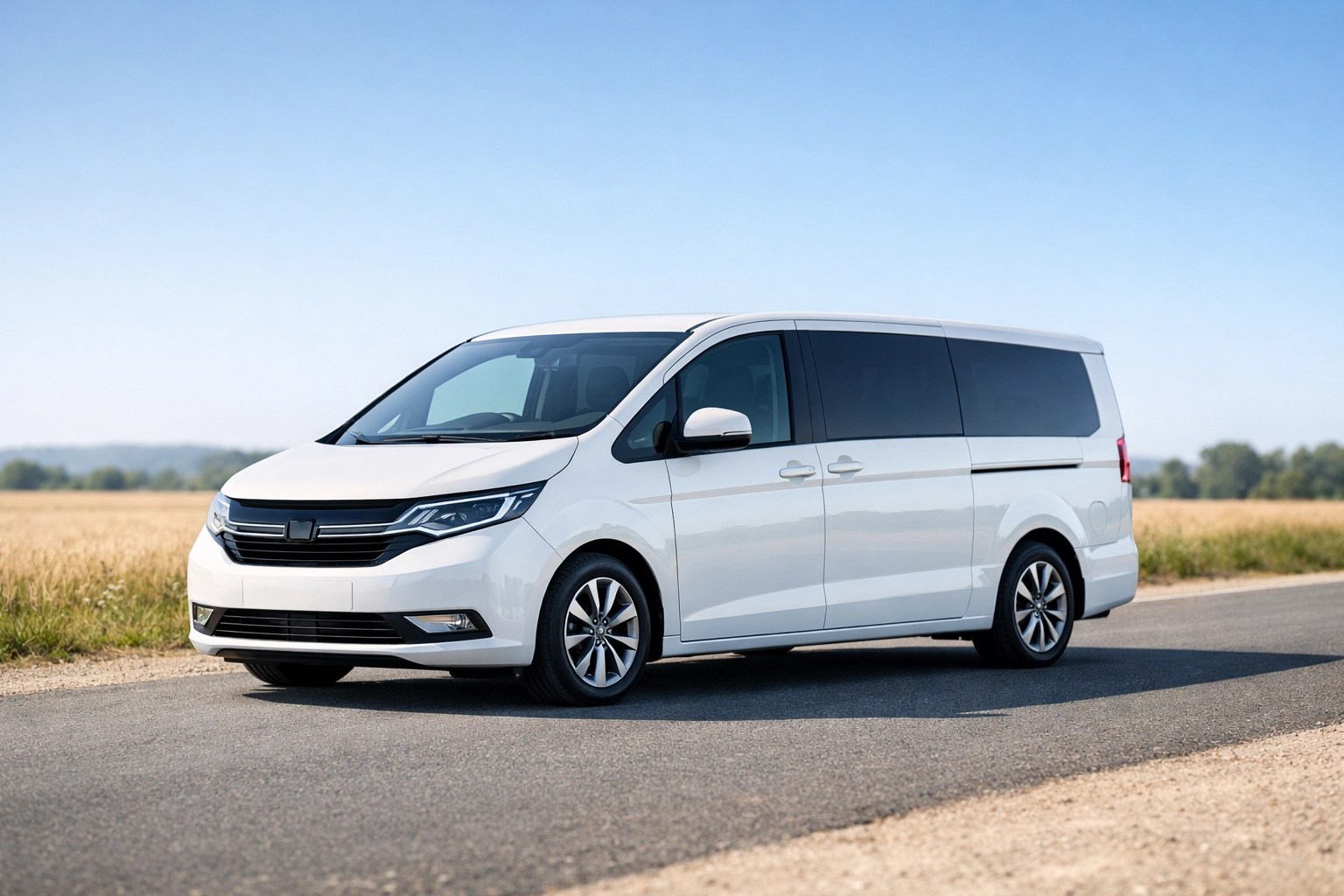
Swift Ryde: Your Partner in Rural Access
At Swift Ryde, our mission is simple: we remove the barriers. We know that living in a remote area comes with its own set of challenges, and transportation shouldn't be one of them. We pride ourselves on being the reliable choice for those who don't have the luxury of a bus stop on their corner.
If you or a loved one are struggling to manage medical appointments due to your location, let’s talk. We offer specialized solutions tailored to rural needs, including door-to-door assistance and wheelchair-accessible vehicles.
Don't let the distance dictate your health. Explore our rider support page to learn more about how we can help you navigate your next trip. You’ve got enough on your plate: let us handle the road.
Ready to secure your next ride? Book your appointment today and experience the peace of mind that comes with a truly reliable partner.
This post is part 2 of our 7-day series on NEMT reliability and healthcare access. Tomorrow, we’ll be discussing the "5 Steps to Prepare for a Wheelchair-Accessible Ride." Stay tuned to our blog for more tips on navigating your healthcare journey.