
Your zip code should never be a death sentence. It sounds harsh, but for millions of Americans living in rural communities, distance is the single most difficult barrier to staying healthy. Living miles away from the nearest specialist or dialysis center shouldn't mean you have to gamble with your wellbeing every time you have an appointment.
For many patients in remote areas, healthcare isn't just about finding a good doctor; it’s about finding a way to get to that doctor. When the nearest hospital is forty miles away and you don’t have a reliable car or a family member available to drive, a simple check-up becomes a logistical nightmare. This is the reality of rural healthcare access, and at Swift Ryde, we believe it is a barrier that must be broken.
The Geography Gap: Why Distance Equals Danger
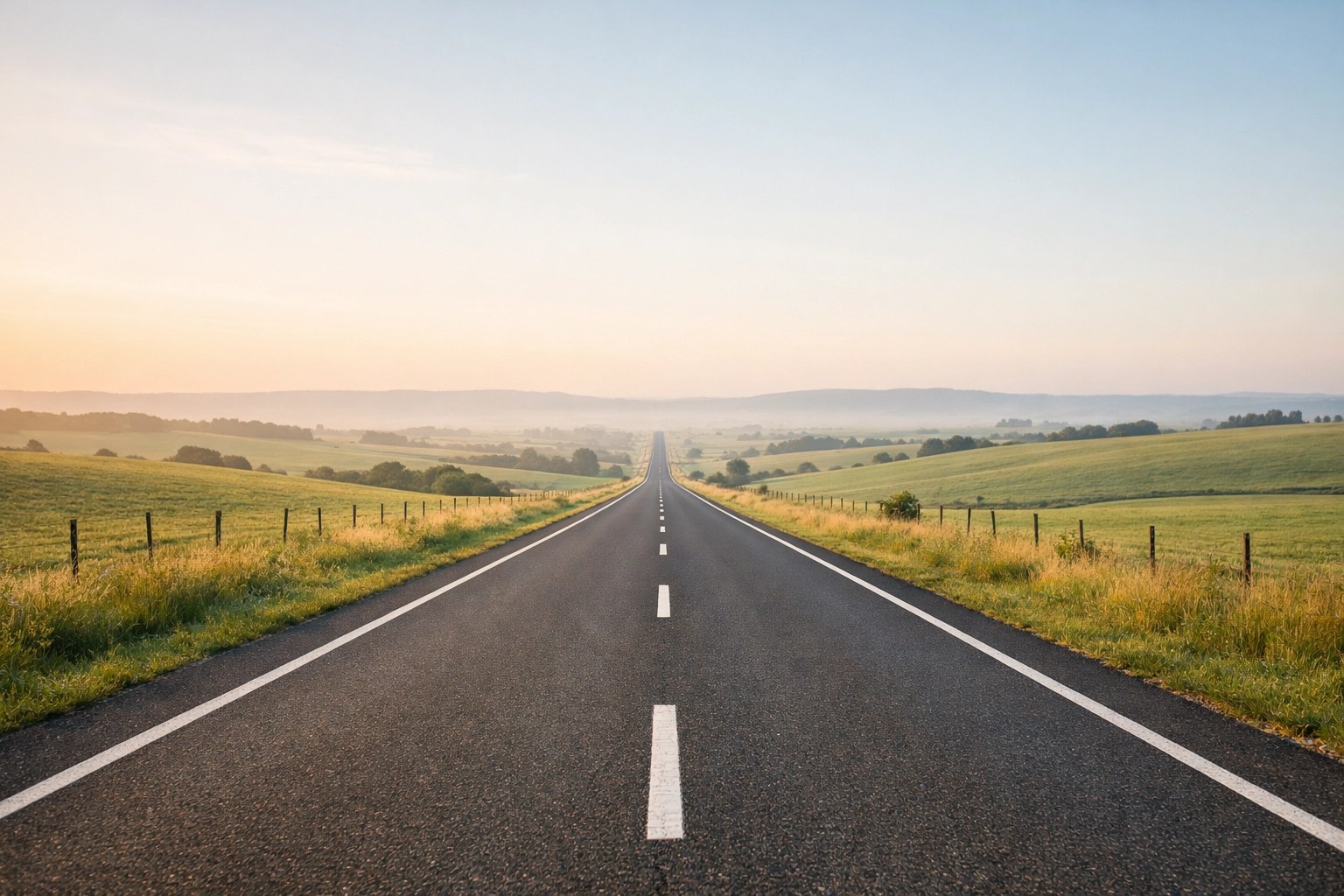
The truth is simple: if you can’t get to the clinic, the medicine doesn’t matter. In rural America, "proximity" is a relative term. What urban dwellers consider a long commute is often just the distance to the local grocery store for someone in a remote township. When you add a chronic illness or a mobility issue into the mix, those miles start to look like mountains.
For many patients, the lack of transportation leads to a dangerous cycle of missed appointments. You miss a follow-up, your condition worsens, and suddenly, what could have been handled with a routine visit becomes an emergency room crisis. This isn't just a "comfort" issue. It is a fundamental necessity. Reliable transportation is as critical to your health as the prescription in your cabinet.
The Rideshare Dilemma in Rural Areas
We’ve all seen the apps. You push a button, and a car shows up. In a big city, that works great. But if you’re living in a remote area, opening a standard rideshare app is often a lesson in frustration.
Drivers for major rideshare platforms usually stick to high-traffic areas where they can get back-to-back fares. They aren't incentivized to drive thirty minutes out into the country to pick up one passenger for a forty-mile trip to a medical center. Even if you do find a driver, they aren't trained to handle medical equipment, they aren't guaranteed to have a wheelchair-accessible vehicle, and they certainly aren't going to help you from your front door into the car.
For a patient needing specialized care, "standard" rideshare isn't just unreliable: it’s often inadequate. You need more than a ride; you need a service that understands the stakes.
NEMT: The Gold Standard for Remote Access
This is where Non-Emergency Medical Transportation (NEMT) changes the game. Unlike a taxi or a casual driver, NEMT is built specifically for the healthcare journey. It is a dedicated system designed to bridge the gap between rural homes and urban medical hubs.
NEMT providers like Swift Ryde focus on the "Reliable" in our brand name. We understand that for a dialysis patient, being thirty minutes late isn't an inconvenience; it’s a medical risk. Our drivers are trained, our vehicles are equipped for accessibility, and our scheduling is focused on the patient's specific medical timeline.
Why NEMT works where others fail:
- Door-to-Door Service: We don't just pull up to the curb. We assist you from your home into the vehicle and ensure you get into the clinic safely.
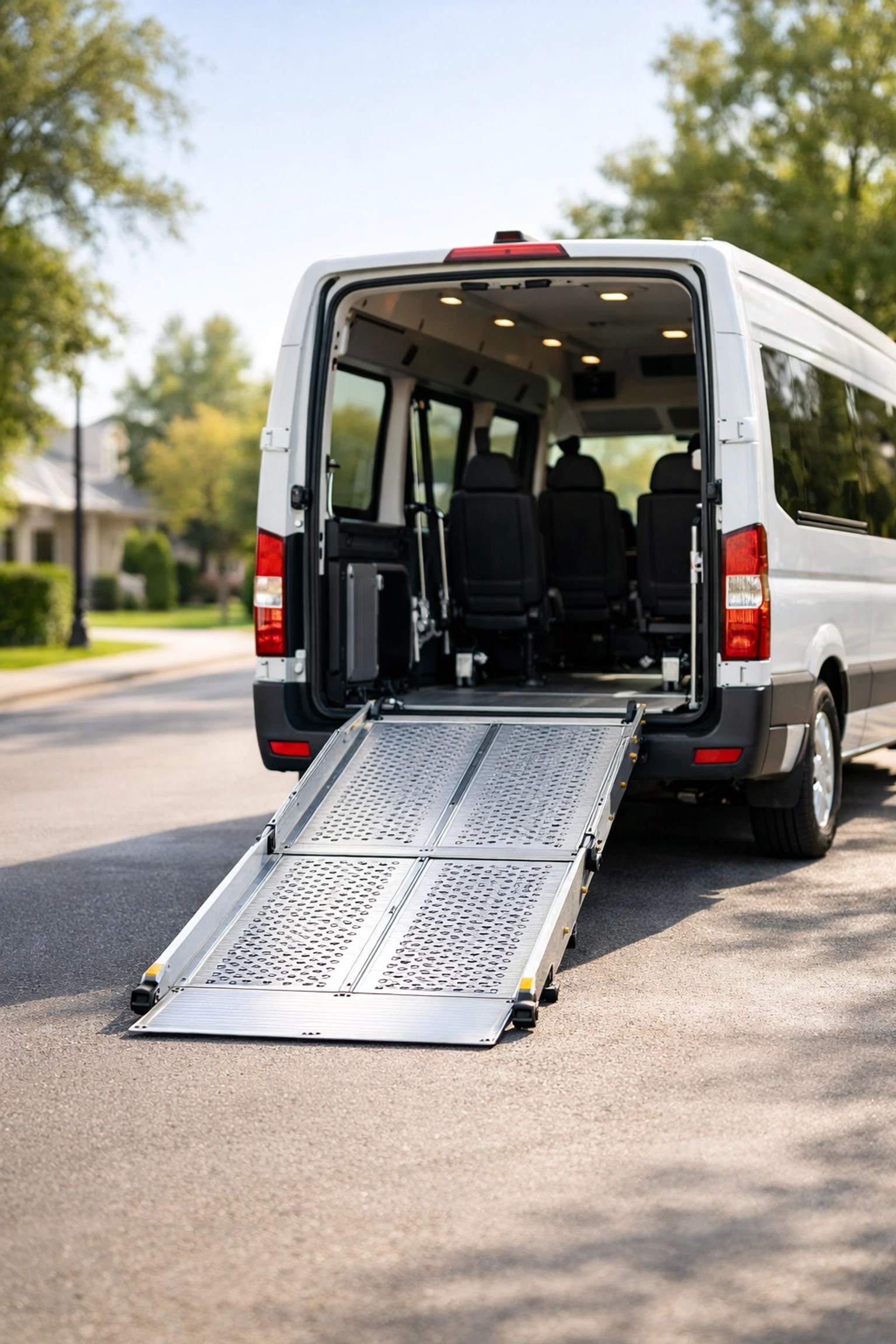
- Specialized Vehicles: Whether you need a standard sedan or a wheelchair-accessible ride, the right equipment is always dispatched.
- Trained Drivers: Our team understands the nuances of patient care and the importance of a calm, professional environment.
- Scheduled Reliability: You aren't "requesting" a ride and hoping for the best. You are booking a commitment.
The Burden on Caregivers
We can't talk about rural healthcare without talking about the families. For many caregivers, providing transportation is a full-time job on top of their actual full-time job. Taking a half-day off work twice a week to drive a parent to physical therapy isn't sustainable for most people. It leads to burnout, financial strain, and tension within the family.
Using a professional transportation service isn't about "outsourcing" your love; it’s about ensuring your loved one gets professional care while you maintain your own stability. It allows the caregiver to be a daughter, a son, or a spouse again, rather than just a driver. When you trust a reliable service, the entire family breathes easier.
Coordination: The Secret to Rural Success
How do we actually make this work in areas where the houses are far apart and the roads are long? It comes down to coordination and technology.
Modern NEMT relies on centralized scheduling and mobility managers who understand local geography. By grouping trips and using efficient routing, we can make remote pickups feasible and affordable. We also work closely with healthcare providers to align transport times with appointment windows.
For many patients, especially those on Medicaid, these rides may even be covered as a part of their benefits. However, the system only works if it's easy to use. That’s why we’ve streamlined our rider support to handle the heavy lifting of booking.
5 Steps to Securing Your Remote Ride
If you or a loved one are struggling to get to appointments in a remote area, here is how you can take control of the situation today:
- Identify Your Needs Early: Don’t wait until the day before your appointment. Rural routes require planning. Know if you need a wheelchair lift or extra assistance.
- Check Your Coverage: Contact your insurance provider or check our B2B page to see how medical transport is handled under your plan.
- Book Recurring Rides: For treatments like dialysis or chemotherapy, don’t book one at a time. Set up a recurring schedule to ensure you are always on the books.
- Communicate the "Last Mile" Details: Rural addresses can be tricky for GPS. Provide clear instructions about gates, long driveways, or specific house features to ensure your driver finds you quickly.
- Use a Dedicated Provider: Stop relying on the uncertainty of apps designed for teenagers going to the mall. Use a service like Swift Ryde that treats medical transport with the seriousness it deserves.
The Impact of a Reliable Ride
When we solve the transportation problem, health outcomes improve immediately. Blood pressure is managed better. Dialysis treatments aren't skipped. Mental health improves because patients don't feel "trapped" in their homes.
For a rural resident, a reliable ride is more than just a car; it’s a lifeline to the rest of the world. It’s the difference between managing a condition and being managed by it. We see it every day: the relief on a patient's face when they realize they don't have to worry about how they’re getting home.

Removing the Barriers Together
At Swift Ryde, we aren't just moving cars; we’re moving the needle on healthcare equity. Everyone deserves the same quality of care, regardless of how many miles of dirt road lie between them and the doctor's office.
The barrier of distance is real, but it is not insurmountable. By choosing specialized, reliable medical transport, you are choosing to prioritize your health and your peace of mind. No more "making do." No more "hoping for a ride." Just professional, door-to-door service that shows up when it says it will.
If you’re ready to take the stress out of your medical travel, reach out to us. Whether it’s for a one-time specialist visit or a recurring treatment plan, we are here to bridge the gap.
Ready to book your next ride? Contact us today and let’s get you where you need to go. Your health can't wait, and with Swift Ryde, it won't have to.