
Getting to a medical appointment should never be the hardest part of your treatment. For many patients, the ride itself is the single most difficult barrier between them and the care they need. Whether you are managing a chronic condition like kidney disease or recovering from a major surgery, the logistics of transportation can feel overwhelming.
At Swift Ryde, we see it every day. Reliable transportation isn't a comfort; it is a fundamental necessity. Yet, even the most well-meaning patients and caregivers often fall into traps that lead to missed appointments, increased stress, and unnecessary delays. Preparing for a Non-Emergency Medical Transportation (NEMT) ride requires more than just a phone call. It requires a strategy.
Here are the seven most common mistakes people make when preparing for medical transport and, more importantly, exactly how to fix them.
1. The "Maybe Later" Booking Strategy
The biggest mistake you can make is waiting until the last minute to schedule your ride. For many patients, the mindset is often, "I'll call the day before." In the world of medical transport, 24 hours is often not enough time to ensure a specialized vehicle is available, especially in rural areas where healthcare access is already limited.
Waiting creates a domino effect. When you book late, you risk not getting a vehicle that fits your specific needs, or worse, you find yourself on a waiting list while your appointment time ticks away.
The Fix: Book as early as possible. Ideally, you should schedule your transport as soon as your medical provider confirms your appointment. For most services, booking at least 48 to 72 hours in advance is the minimum. If you have recurring needs, such as dialysis appointments, the best move is to set up a recurring booking. This removes the "memory tax" of having to call every week and ensures your slot is guaranteed.

2. Assuming "One Size Fits All" Vehicles
A common misconception is that any large vehicle can handle any medical need. Many caregivers assume that if a car looks big, it can accommodate a specialized wheelchair or a stretcher. This mistake leads to "no-go" situations where the driver arrives, but the equipment won't fit or can't be secured safely.
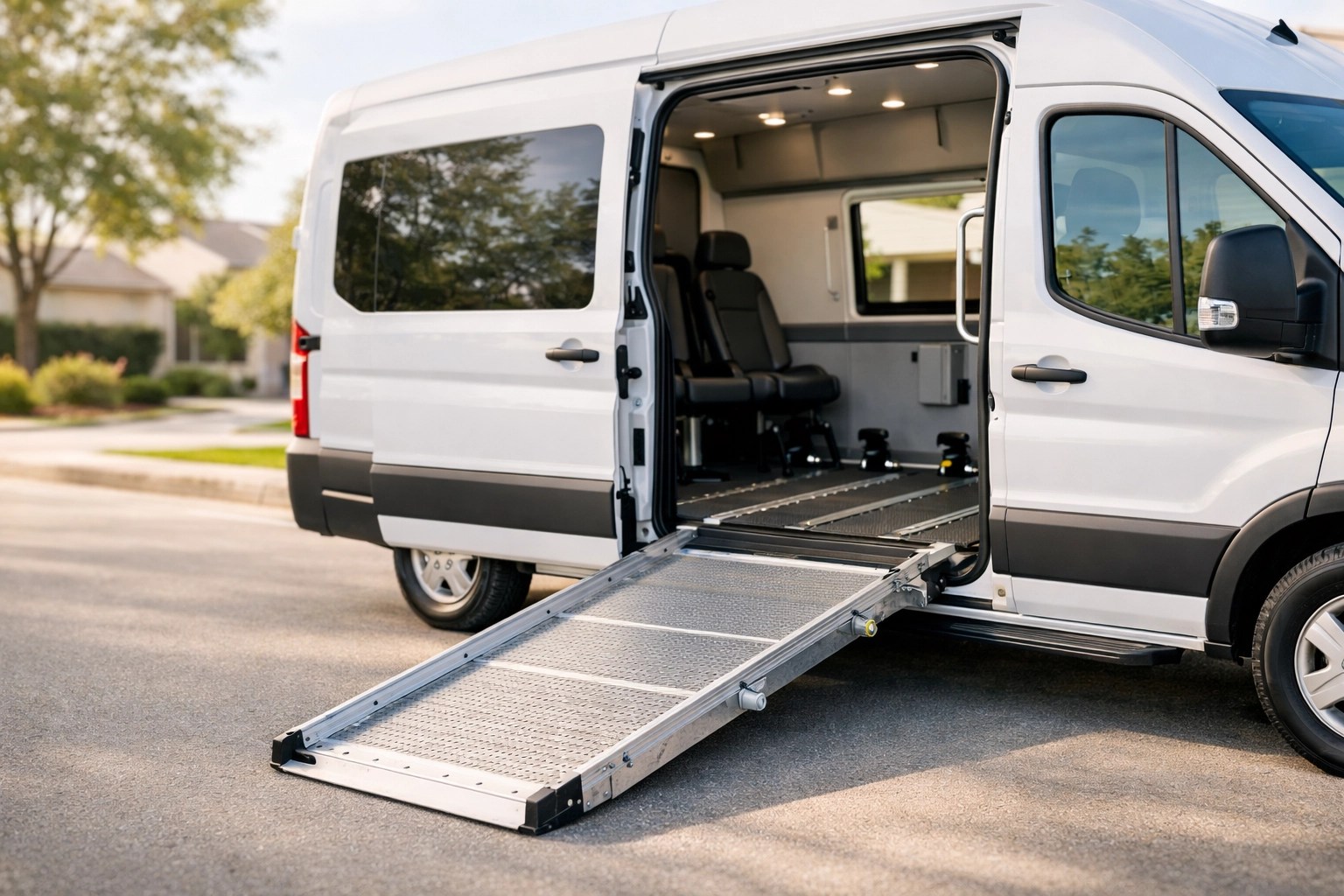
Standard rideshare apps often fail here because their drivers aren't equipped with ADA-compliant ramps or hydraulic lifts. For a patient, discovering a vehicle is inaccessible at the moment of pickup is more than an inconvenience: it’s a health risk.
The Fix: Be incredibly specific during the booking process. When you use the Swift Ryde booking portal, clearly state if you are using a manual wheelchair, a power chair, or if you require a stretcher. Mention the width and weight of the equipment. Providing these details ensures that we send a vehicle with the correct floor-tracking and securement systems to keep you safe and comfortable.
3. The "Set It and Forget It" Mindset
Booking the ride is only the first step. Many people assume that once they have a confirmation number, their work is done. However, schedules change, traffic happens, and medical offices occasionally move appointments without much notice. Failing to confirm your ride can lead to a breakdown in communication that leaves you stranded on the curb.
For many patients, especially those in rural healthcare settings, a single missed ride can mean waiting weeks for the next available specialist opening.
The Fix: Always reconfirm your reservation 24 hours before your scheduled pickup. A quick check-in allows you to verify the pickup time, the address, and the specific needs of the ride. At Swift Ryde, we recommend checking your current bookings to ensure everything is aligned. This small step provides a massive safety net.

4. The Paperwork Scramble
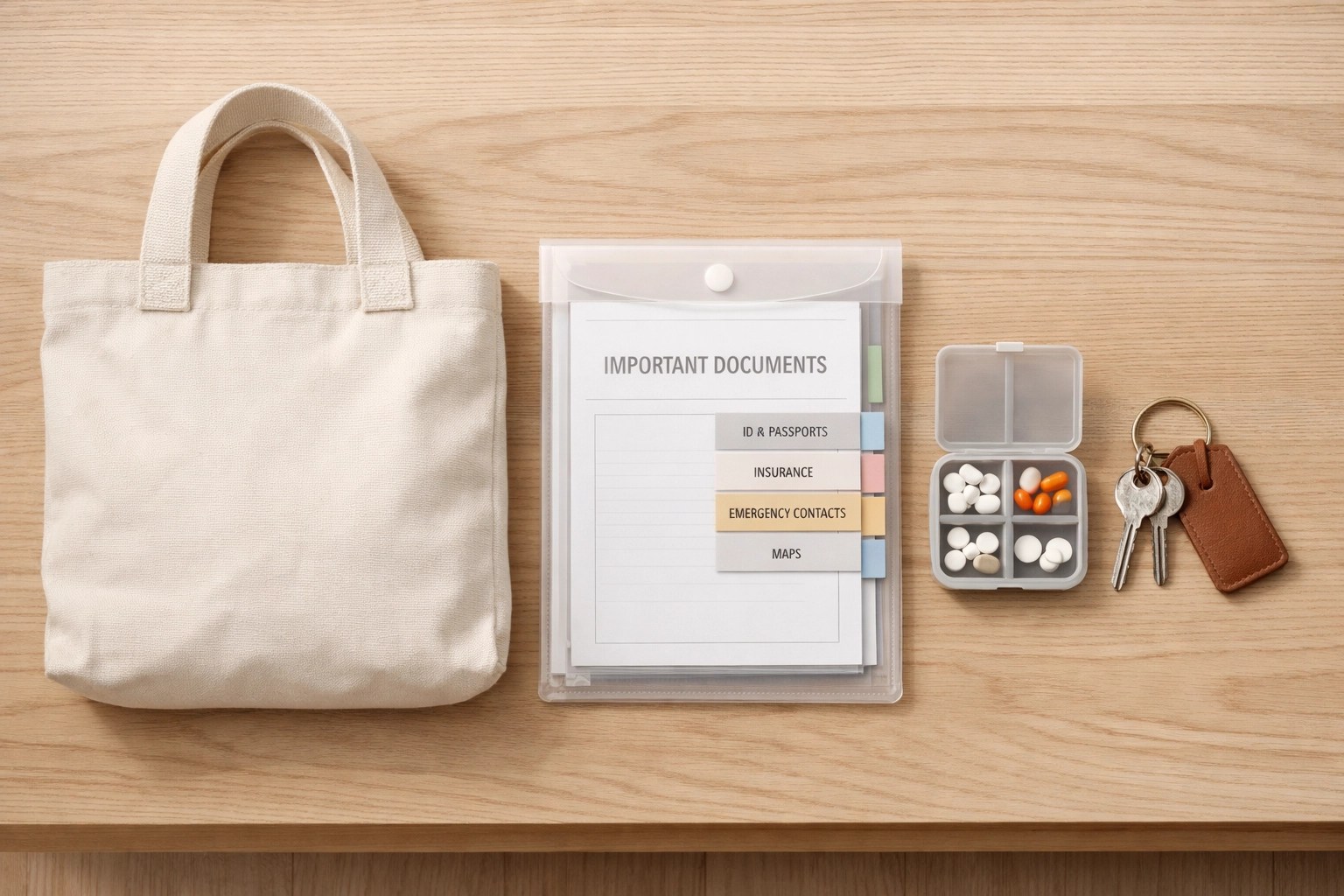
We’ve all been there: the driver is in the driveway, and you’re still hunting for your insurance card, your ID, or the exact suite number of the doctor’s office. This scramble doesn't just stress you out; it delays the driver and can make you late for your check-in time.
Transportation is the first leg of your medical journey. If the first leg is chaotic, the rest of the day usually follows suit.
The Fix: Prepare a "Go-Bag" the night before. This should include your photo ID, insurance information, a list of current medications, and the exact address and phone number of the destination. Having these items ready by the door allows you to focus on your comfort rather than your paperwork. If you are a caregiver, doing this for your loved one is the single best way to reduce their anxiety about the trip.
5. Cost Blindness and Insurance Confusion
Nothing ruins the experience of a reliable ride like a surprise bill. Many patients assume their insurance or Medicaid will cover every ride without checking the specific requirements first. Every policy has different rules: some require pre-authorization, while others only cover specific types of medical appointments.
Understanding the financial side of NEMT isn't just about saving money; it's about ensuring your access to care is sustainable over the long term.
The Fix: Clarify your payment and coverage options upfront. If you are using insurance, call your provider to confirm that NEMT is a covered benefit for your specific destination. If you are paying out-of-pocket, ask for a clear quote during the booking process. You can explore our services listing to see how different levels of care are priced. Knowledge is power, and in this case, it’s also peace of mind.
6. Keeping the Driver in the Dark
Some patients feel hesitant to share their medical history or mobility limitations with a transport provider. They might think it’s "too much information." However, withholding this information is a safety mistake. The driver needs to know if you are prone to seizures, if you require oxygen, or if you have a condition that makes certain road movements painful.
In the world of medical transport, the driver is more than a chauffeur; they are a part of your care team for the duration of the trip.
The Fix: Share relevant medical information during the booking process. You don't need to share your entire history, but you should mention anything that affects your safety during transport. This includes mobility aids, cognitive needs, or if you require "door-to-door" assistance versus "curb-to-curb." Being transparent allows us to pair you with a driver who has the right training to support your specific needs.
7. Choosing Convenience Over Specialized Care
In a world of "there's an app for that," it is tempting to just call a standard rideshare service. It seems fast and easy. But for many patients, standard rideshare is a dangerous gamble. A standard sedan is not a medical vehicle. A standard driver is not trained in patient sensitivity, mobility assistance, or emergency protocols.
Relying on a service that isn't built for medical needs is perhaps the most common mistake we see. When you need a ride to the hospital or a clinic, the "cheapest" or "fastest" option can quickly become the most expensive if it results in an injury or a missed treatment.
The Fix: Choose a dedicated NEMT provider like Swift Ryde. We specialize in transportation services that are built around the patient’s health, not just the destination. Our vehicles are maintained to high safety standards, and our drivers understand the unique challenges faced by those with mobility issues or chronic illnesses.
Moving Toward Stress-Free Transport
The barrier to healthcare shouldn't be the road. By avoiding these seven common mistakes, you aren't just booking a ride; you are securing your health. Preparation turns a stressful event into a routine, manageable part of your week.
At Swift Ryde, we believe that every patient deserves a reliable, respectful, and safe journey to their medical appointments. Whether you are navigating the challenges of rural healthcare or simply need a hand getting to your weekly dialysis, we are here to bridge the gap.
Ready to fix your ride prep once and for all? Don't wait until the morning of your next appointment. Take the first step toward a more reliable healthcare experience today.
Take Action:
- Review your upcoming medical calendar.
- Gather your necessary documents.
- Contact us to discuss your specific needs or book your next appointment directly through our portal.
Your health is the priority. Let us handle the ride.