
Distance should never dictate the quality of your healthcare. For many patients living in rural communities, the simple act of getting to a doctor's office is the single most difficult barrier to staying healthy. It isn't just about a long drive; it’s about the lack of options, the unpredictability of service, and the sheer exhaustion of navigating a system that feels designed only for city dwellers.
At Swift Ryde, we believe that your zip code shouldn't be a risk factor. If you live miles away from the nearest specialist, a reliable ride isn't a luxury, it’s a fundamental necessity.
The Reality of the Rural Transportation Desert
For many patients, a 45-minute drive to a clinic might as well be a trip to the moon if they don't have a reliable vehicle or a family member available to drive them. This is the "transportation desert," a phenomenon where medical outcomes decline simply because the physical gap between the patient and the provider is too wide to bridge.
The consequences are real and immediate. Missing a single consultation can set back a treatment plan by months. For those managing chronic conditions, a missed appointment often leads to an avoidable emergency room visit. In rural America, the stakes are higher because the safety net is thinner. When public transit doesn't exist and traditional rideshare apps show "no cars available," patients are left stranded.
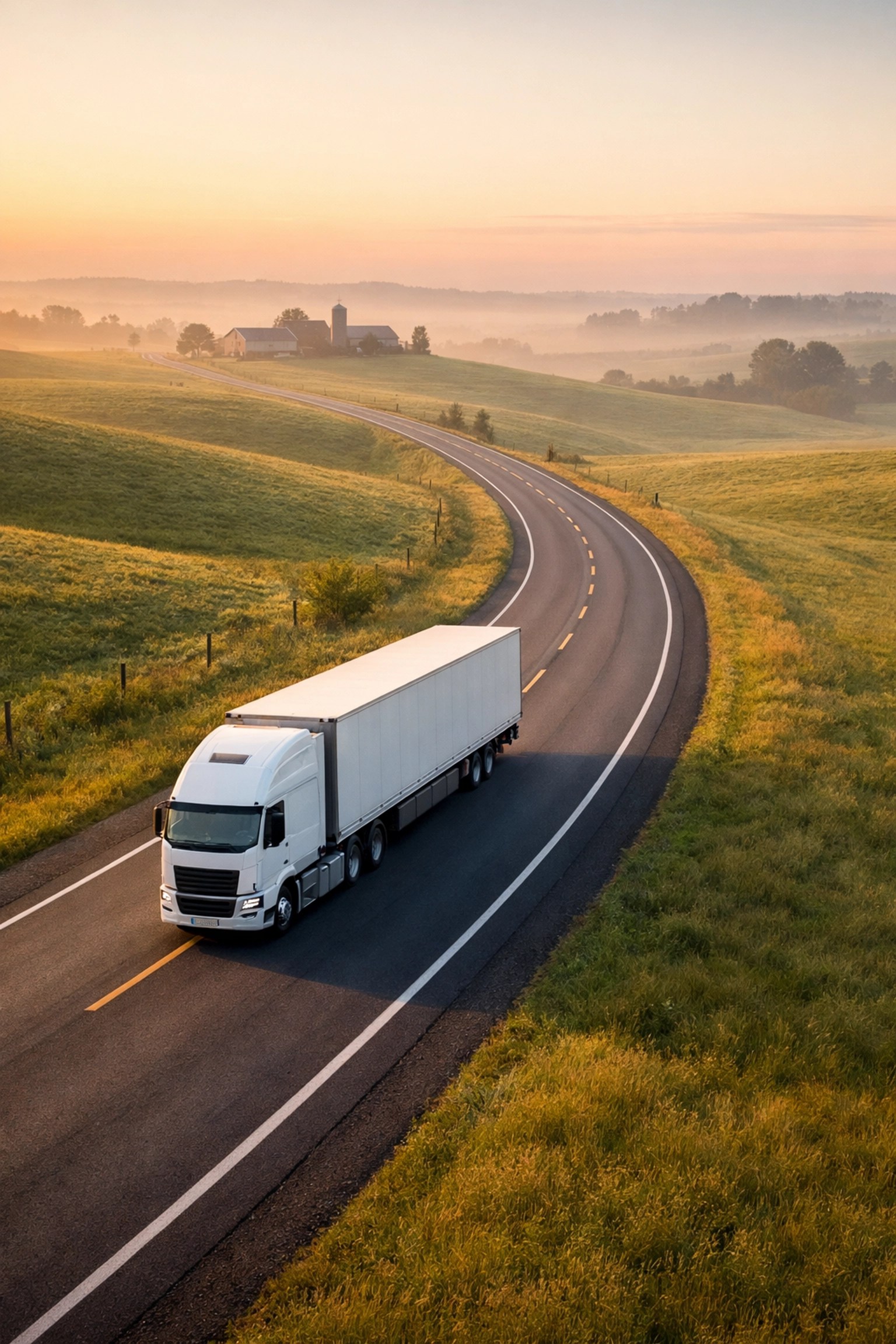
Why Standard Rideshare Isn't the Answer for Rural Care
It’s tempting to think that the same apps we use to order pizza could solve the rural healthcare crisis. However, traditional ridesharing is built on density. Drivers flock to cities where they can get back-to-back fares. In remote areas, a driver might have to travel 20 miles just to pick you up, making the trip unprofitable for them and unreliable for you.
Furthermore, standard rideshare drivers aren't trained for medical needs. They aren't required to help you from your door to the car, and they certainly aren't equipped to handle a wheelchair or oxygen tank. For a rural patient, a "no-show" from a rideshare app isn't just an inconvenience, it’s a healthcare failure.
This is where Non-Emergency Medical Transportation (NEMT) changes the game. NEMT isn't just a car; it’s a coordinated service designed to handle the specific logistics of medical journeys.
The NEMT Difference: Built for Reliability
Reliability in remote areas requires a different approach. It requires specialized vehicles, professional drivers, and a system that prioritizes the patient over the "fare."
For many patients, the security of knowing a ride is confirmed 24 hours in advance is the difference between sleeping well and staying up with anxiety. Swift Ryde focuses on these key pillars for rural access:
- Door-to-Door Service: We don't just pull up to the curb. Our drivers are trained to assist you from your front door into the vehicle and ensure you are safely checked in at your clinic.
- Advanced Scheduling: Rural rides require planning. By booking in advance, we can optimize routes and ensure a driver is dedicated to your specific time slot.
- Specialized Vehicles: Whether you need a standard sedan or a wheelchair-accessible van, the vehicle that arrives will be the one you actually need.
- Driver Consistency: In smaller communities, having the same driver for recurring appointments builds trust and reduces the stress of the journey.

Overcoming the Cost Barrier
One of the biggest misconceptions about professional medical transport is that it is prohibitively expensive. In reality, the cost of not going to the doctor is much higher. For many patients, NEMT services are covered by Medicaid or specific private insurance plans.
Healthcare systems are also beginning to realize that paying for a ride is cheaper than paying for a hospital readmission. We’ve seen how value-based care strategies can significantly reduce costs for both the patient and the provider by simply ensuring people show up to their check-ups.
If you are a caregiver for someone in a remote area, start by calling their insurance provider. Ask specifically about "Non-Emergency Medical Transportation benefits." You might find that the very service you thought was out of reach is already waiting for you.
Preparation: The Key to a Smooth Remote Ride
When you’re miles away from the nearest town, you can't afford a "oops, I forgot" moment. Preparation is the secret to a successful long-distance medical ride.
For many patients, this means having a checklist ready the night before:
- Confirm the pick-up time: Give yourself a 15-minute buffer.
- Pack your essentials: Since you'll be on the road longer, bring water, any necessary medications, and a snack.
- Communicate your needs: If you use a walker or a wheelchair, make sure your NEMT provider knows this at the time of booking, not when the driver arrives.
Rural healthcare access is a team effort. It involves the patient, the caregiver, the medical provider, and the transport partner all working in sync.

The Role of Technology and Community
While physical transportation is the primary hurdle, it doesn't work in a vacuum. We often see rural patients successfully combining NEMT with other tools:
- Telehealth: Use digital appointments for quick follow-ups to reduce the number of physical trips you need to take.
- Mobile Clinics: Some areas offer "care on wheels," which can handle basic screenings.
- Community Coordination: Local senior centers and volunteer groups often partner with professional services like Swift Ryde to fill the gaps.
However, for major procedures, dialysis, or specialist visits, there is no substitute for a reliable, physical ride.
Moving Toward a Better Future for Rural Care
The isolation of rural living shouldn't include isolation from modern medicine. We are seeing a shift in how transportation is viewed: not as a secondary "perk," but as a core component of the treatment plan itself.
For many patients, regaining access to their doctor means regaining their independence. It means not having to beg a neighbor for a ride or worry about their old car breaking down on a back road. It means being able to focus on healing rather than logistics.
At Swift Ryde, our mission is to close the gap. Whether you need an intercity ride to reach a city hospital or a local trip to your primary care physician, we are committed to being the reliable link in your healthcare chain.
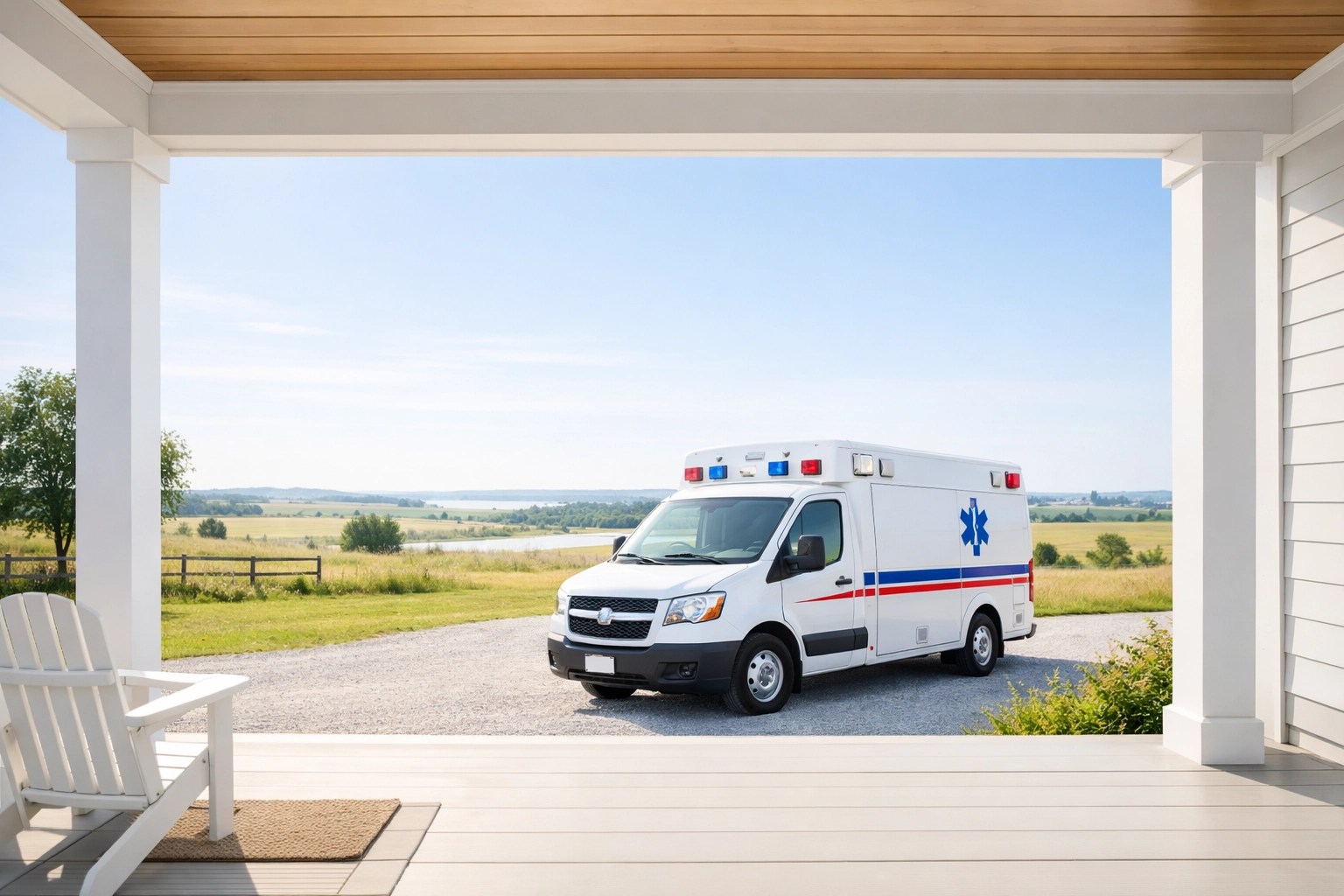
Your Next Steps
If you or a loved one are struggling to reach medical appointments from a remote area, don't wait for a health crisis to look for solutions.
- Audit your current travel plan: How many appointments have you missed or rescheduled in the last year due to car trouble or lack of a driver?
- Contact your insurance: Find out if NEMT is a covered benefit under your plan.
- Book a trial ride: Experience the difference between a random app and a professional medical transport service.
The road to better health might be long, but you don't have to drive it alone. Reliable transport is out there, even in the most remote corners of our community. Let’s make sure you get where you need to go, every single time.
Stay tuned for our next post in this series, where we’ll dive deep into the specific steps you need to take to prepare for a wheelchair-accessible ride. Healthcare is a right, and we’re here to make sure you can reach it.