
Patient no-shows aren't just an inconvenience: they're a $150 billion annual drain on the healthcare system. For many patients, the single most difficult barrier between them and their critical healthcare appointments isn't insurance coverage or scheduling conflicts. It's transportation.
Healthcare facilities operating under value-based care models are discovering that addressing transportation barriers doesn't just improve patient outcomes: it dramatically reduces operational costs. The most successful organizations are cutting their transportation-related expenses by up to 40% while simultaneously boosting appointment attendance rates.
Transportation isn't a comfort for patients: it's a fundamental necessity that determines whether they receive life-saving care or fall through the cracks of our healthcare system.
The Hidden Cost of Transportation Barriers
For many patients, every missed appointment represents a cascade of financial and health consequences that ripple through the entire healthcare ecosystem. When patients can't reliably reach their appointments, chronic conditions worsen, emergency room visits spike, and preventable hospitalizations skyrocket.
The traditional fee-for-service model never incentivized healthcare organizations to solve transportation problems. Value-based care changes this equation entirely. Under these models, providers are financially motivated to keep patients healthy and engaged: making reliable transportation a strategic investment rather than an operational afterthought.

Healthcare facilities that ignore transportation barriers should never expect sustainable patient engagement. The numbers tell a clear story: patients who struggle with transportation access are 3.6 times more likely to miss appointments and 2.4 times more likely to experience preventable emergency department visits.
Strategy 1: Integrated Telehealth-Transportation Hybrid Models
The most forward-thinking healthcare organizations are creating seamless hybrids between telehealth services and strategic transportation deployment. This isn't about replacing in-person care: it's about optimizing when patients actually need to travel.
For many patients, routine follow-ups, medication management, and chronic disease monitoring can happen virtually, reserving transportation resources for procedures, diagnostics, and complex care that requires physical presence.
Healthcare systems implementing this strategy report average transportation cost reductions of 35% within the first year. The key isn't eliminating transportation: it's making every trip count.
Smart healthcare facilities now conduct pre-appointment assessments to determine which visits truly require in-person attendance. For patients with diabetes, hypertension, or mental health conditions, up to 60% of routine appointments can transition to telehealth without compromising care quality.
This approach allows transportation resources to focus on high-priority appointments: cancer treatments, surgical consultations, and emergency interventions where physical presence is non-negotiable.
Strategy 2: Predictive Analytics for Transportation Resource Allocation
Value-based care organizations are leveraging predictive analytics to anticipate transportation needs before patients even request services. This proactive approach eliminates the reactive scrambling that drives up costs and creates patient access barriers.
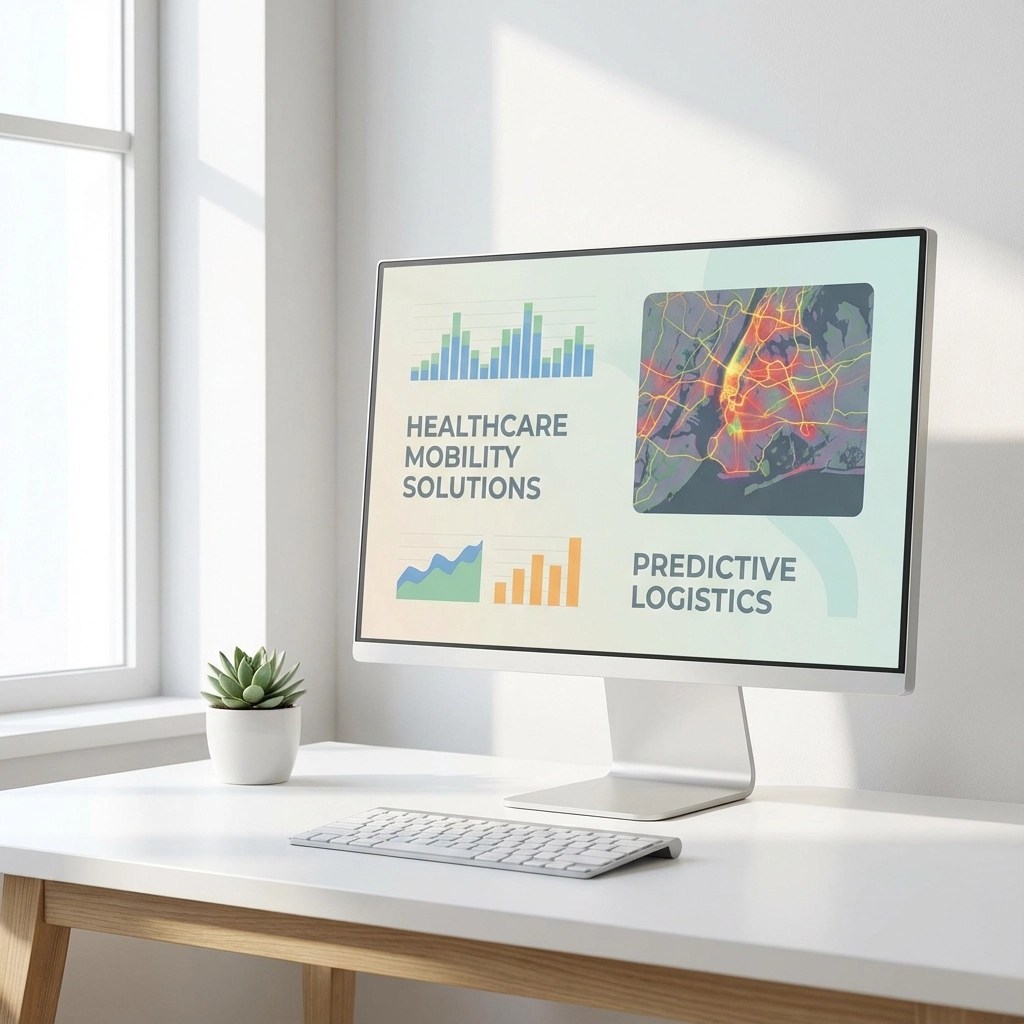
Advanced analytics platforms can identify patients at highest risk for transportation-related no-shows based on historical patterns, geographic data, weather forecasts, and socioeconomic factors. For many patients, this means receiving transportation coordination outreach 48-72 hours before appointments rather than discovering barriers at the last minute.
Healthcare systems using predictive transportation models report 40% fewer last-minute appointment cancellations and 28% improvement in overall attendance rates. The financial impact extends beyond direct transportation savings: reducing no-shows means maximizing provider productivity and facility utilization.
The most sophisticated organizations are creating transportation heat maps that show real-time demand patterns across their service areas. This allows for dynamic resource allocation, ensuring transportation vehicles and drivers are positioned where they're most needed.
Strategy 3: Community Partnership Networks for Shared Transportation Resources
Individual healthcare organizations should never attempt to solve transportation challenges in isolation. The most cost-effective approach involves creating collaborative networks that share transportation resources across multiple providers and community organizations.
Value-based care naturally aligns competing healthcare organizations around shared patient outcomes. Transportation partnerships allow facilities to pool resources, reduce duplicate services, and create comprehensive coverage areas that benefit entire communities.
For many patients, this means access to transportation options that individual healthcare facilities could never provide alone. Shared fleets, coordinated scheduling systems, and collaborative driver networks create economies of scale that dramatically reduce per-trip costs.

Healthcare systems participating in transportation consortiums report average cost savings of 42% compared to independent transportation programs. These partnerships also improve service reliability: when one provider's vehicle breaks down, patients can still access care through network backup resources.
The most successful partnerships include hospitals, primary care practices, specialty clinics, dialysis centers, and community health organizations. This comprehensive approach ensures transportation resources align with actual patient care patterns rather than artificial organizational boundaries.
Strategy 4: Patient Self-Scheduling Integration with Transportation Logistics
Traditional appointment scheduling systems treat transportation as an afterthought: patients book appointments first, then figure out how to get there later. Value-based care organizations are flipping this model by integrating transportation availability directly into scheduling platforms.
For many patients, appointment timing depends entirely on transportation options. Smart scheduling systems now display real-time transportation availability alongside appointment slots, allowing patients to book coordinated care and transportation in a single interaction.
Healthcare facilities implementing integrated scheduling report 29% reduction in no-shows and 35% improvement in patient satisfaction scores. The key insight: patients who control both their appointment timing and transportation arrangements are significantly more likely to attend.
These systems also enable dynamic optimization: when transportation becomes available due to cancellations, platforms can automatically offer earlier appointments to patients on waiting lists. This maximizes both transportation utilization and appointment throughput.
Strategy 5: Outcome-Based Transportation Partnerships with Specialized Providers
The most innovative value-based care organizations are creating outcome-based contracts with specialized transportation providers like Swift Ryde. Instead of paying per trip, these partnerships tie compensation to patient attendance rates, health outcomes, and overall care plan adherence.
For many patients, this means working with transportation providers who are genuinely invested in their health success rather than simply completing rides. Outcome-based partnerships create aligned incentives where transportation providers actively support patient engagement and care plan compliance.

Healthcare systems using outcome-based transportation contracts report 38% better attendance rates and 31% improvement in chronic disease management metrics compared to traditional fee-for-service transportation arrangements.
These partnerships often include value-added services: medication pickup coordination, appointment reminders, health status check-ins during rides, and care team communication. Transportation providers become active participants in patient care rather than passive logistics vendors.
Measuring Success: Beyond Cost Reduction
Value-based care success requires comprehensive metrics that capture both financial and clinical impacts. The most effective organizations track transportation return on investment through multiple lenses: attendance rates, health outcomes, patient satisfaction, and total cost of care.
For many patients, reliable transportation access becomes the foundation for broader healthcare engagement. Organizations implementing these strategies report cascading improvements: better medication adherence, increased preventive care utilization, and reduced emergency department visits.
The 40% cost reduction target isn't just achievable: it's conservative for organizations implementing comprehensive transportation strategies. The most successful healthcare systems are discovering that solving transportation barriers creates positive feedback loops that amplify value across their entire care delivery model.
Transportation shouldn't be a barrier between patients and the care they need. Value-based care finally provides the financial incentives and organizational framework to make reliable, cost-effective transportation a reality for every patient who needs it.
Ready to transform your patient transportation approach? The strategies exist, the technology is available, and the financial incentives are aligned. The only question is whether your organization will lead this transformation or follow it.