
Healthcare transportation isn't a comfort: it's a fundamental necessity. Yet every year, healthcare systems lose $14.4 billion due to preventable transportation failures. For many patients, getting to medical appointments represents the single most difficult barrier to receiving care.
The numbers tell a stark story. One in five Americans skip healthcare due to transportation barriers. Over 21% of adults without vehicle access miss needed medical appointments. These aren't just statistics: they're missed diagnoses, delayed treatments, and preventable emergency room visits that drain healthcare budgets.
Most healthcare providers and patients make the same seven critical mistakes when it comes to transportation. These errors don't just cost money: they cost lives.
Mistake #1: Choosing Unreliable Transportation Providers
The biggest mistake healthcare facilities make is partnering with transportation companies that can't deliver consistent service. For many patients, unreliable transportation means missing life-saving appointments.
Medicaid spent $2.6 billion on non-emergency medical transportation in 2018 alone, serving 3.2 million users. Yet patients consistently report the same problems: drivers arriving too early, too late, or not showing up at all. Rude or unprofessional drivers create additional stress for already vulnerable patients.
The Real Cost: When transportation fails, patients often end up in emergency departments. Adults who experience transportation-delayed care are significantly more likely to visit emergency rooms frequently. Twelve percent of those with four or more ED visits annually report transportation barriers, compared to only 1.3% of those with zero visits.
The Solution: Healthcare providers should never settle for transportation partners that can't guarantee reliability. Vet providers thoroughly, check references, and establish clear accountability measures.

Mistake #2: Not Planning for Transportation Barriers in Advance
Most healthcare systems treat transportation as an afterthought rather than an integral part of care delivery. This reactive approach creates unnecessary barriers for patients who need proactive solutions.
For many patients, transportation planning starts the day of their appointment. By then, it's often too late. Public transit may not reach medical facilities. Family members may be unavailable. Traditional taxi services might not accommodate medical equipment or mobility challenges.
The Real Cost: Approximately 5.8 million Americans delayed medical care due to lack of transportation in 2017. Each delayed appointment represents lost revenue for healthcare providers and potentially worsening conditions for patients.
The Solution: Build transportation assessment into your patient intake process. Identify transportation needs during appointment scheduling, not on appointment day.
Mistake #3: Ignoring the True Cost of Missed Appointments
Healthcare administrators often focus on immediate transportation costs while ignoring the exponentially higher costs of missed appointments. This shortsighted approach undermines both patient care and financial sustainability.
When patients miss appointments due to transportation barriers, the costs multiply quickly. Healthcare facilities lose immediate revenue from the missed appointment. They often struggle to fill last-minute cancellations. Most importantly, delayed care frequently leads to more expensive interventions later.
The Real Cost: A missed primary care appointment might save $200 in transportation costs but could lead to a $2,000 emergency room visit weeks later. For many patients with chronic conditions, transportation barriers create a cycle of deteriorating health and escalating costs.
The Solution: Calculate the true cost-benefit ratio of reliable transportation services. Factor in missed appointment costs, emergency department utilization, and long-term patient outcomes.
Mistake #4: Failing to Address Vulnerable Population Needs
Transportation barriers disproportionately impact the most vulnerable patients, yet many healthcare systems use one-size-fits-all transportation solutions. This approach leaves the patients who need the most support with the fewest options.
Only 81% of Black adults have vehicle access compared to 91% of adults overall. Similar gaps exist among those with low incomes (78%) and disabilities (83%). Hispanic patients, those living below the poverty threshold, and Medicaid recipients experience significantly higher rates of transportation-related delays.
The Real Cost: When vulnerable populations can't access preventive care, they often rely on emergency departments for routine needs. This drives up healthcare costs across the entire system while providing suboptimal care.
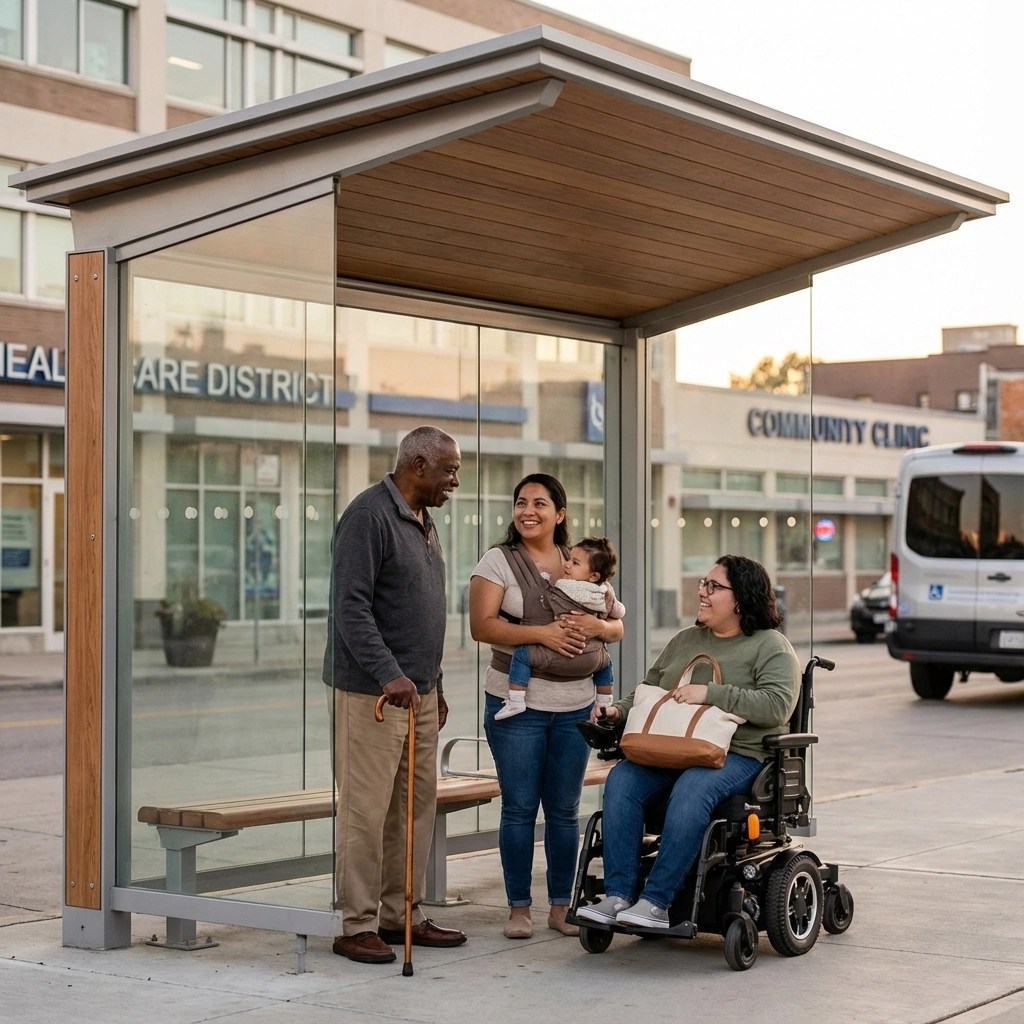
The Solution: Develop targeted transportation solutions for vulnerable populations. This might include wheelchair-accessible vehicles, bilingual drivers, or extended service hours for working patients.
Mistake #5: Over-relying on Emergency Transportation
Many patients and healthcare systems default to expensive emergency transportation when preventive planning could provide better, more cost-effective solutions. This reactive approach wastes resources and often provides inappropriate care levels.
Emergency medical transportation should never be the primary solution for routine medical appointments. Yet for many patients without reliable alternatives, calling an ambulance becomes the only way to reach healthcare facilities during medical emergencies that could have been prevented.
The Real Cost: Ambulance transportation can cost hundreds or thousands of dollars per trip. More importantly, patients who rely on emergency transportation often receive care in emergency departments rather than appropriate outpatient settings.
The Solution: Invest in comprehensive non-emergency medical transportation services that can handle routine appointments, discharge planning, and scheduled procedures.
Mistake #6: Not Utilizing Technology Solutions
Many healthcare transportation systems operate like they did decades ago, relying on phone calls and paper schedules instead of leveraging technology to improve efficiency and patient experience.
Modern transportation technology can solve many traditional problems. GPS tracking eliminates uncertainty about arrival times. Mobile apps allow real-time communication between patients, drivers, and healthcare facilities. Automated scheduling reduces human error and improves resource allocation.
The Real Cost: Without technology integration, transportation services operate inefficiently. Patients spend hours waiting for rides. Healthcare facilities can't track whether patients are en route. Communication breakdowns lead to missed appointments and frustrated patients.
The Solution: Partner with transportation providers that leverage modern technology. Look for services offering real-time tracking, mobile communication, and integrated scheduling systems.

Mistake #7: Treating Transportation as a Separate Issue
The most fundamental mistake is treating transportation as separate from healthcare rather than as an integral component of care delivery. This siloed approach prevents comprehensive solutions and perpetuates systemic problems.
Research suggests that approximately 10% of a person's health can be attributed to their physical environment, including transportation access. When healthcare providers treat transportation as someone else's problem, they miss opportunities to improve both patient outcomes and operational efficiency.
The Real Cost: Fragmented approaches to healthcare transportation create gaps in care continuity. Patients fall through cracks between different systems. Healthcare providers struggle to maintain consistent patient relationships when transportation barriers interfere with regular appointments.
The Solution: Integrate transportation planning into care coordination. Consider transportation needs when scheduling procedures, prescribing treatments, and planning discharge protocols.
The Path Forward: Reliable Transportation Solutions
These seven mistakes cost the healthcare system billions annually while creating unnecessary barriers for patients who need care most. For many patients, reliable transportation represents the difference between managing chronic conditions effectively and cycling through emergency departments.
The solution isn't complex: it's comprehensive. Healthcare systems need transportation partners who understand that every ride carries someone's health, hope, and future. They need services that prioritize reliability over cost-cutting, patient experience over profit margins.
Smart healthcare administrators are already making this shift. They're partnering with transportation providers who guarantee on-time service, maintain professional standards, and leverage technology to ensure seamless patient experiences.
Your patients deserve transportation they can count on. Your budget deserves solutions that actually work. The question isn't whether you can afford reliable healthcare transportation: it's whether you can afford not to have it.
The $14.4 billion lost annually to transportation failures represents preventable waste in a system that can't afford inefficiency. Every missed appointment, every emergency department visit that could have been prevented, every patient who delays care due to transportation barriers: these all represent failures we can fix.
For healthcare systems ready to eliminate these seven critical mistakes, the path forward is clear: prioritize reliable transportation partnerships, integrate transportation planning into care delivery, and recognize that in healthcare, transportation isn't a luxury( it's a lifeline.)