
Missing medical appointments isn't a comfort, it's a crisis. For many patients, especially those with chronic conditions or mobility challenges, a missed appointment can mean delayed treatment, worsened health outcomes, and cascading effects on their entire care plan.
The numbers tell a stark story: healthcare providers lose an estimated $150 billion annually due to missed appointments, but the human cost runs deeper. When transportation fails, patients suffer. When rides don't show up, critical care gets postponed. When tracking systems fail, the most vulnerable patients pay the price.
Real-time tracking isn't just a nice-to-have feature, it's the single most critical barrier between your patients and reliable healthcare access. The difference between wondering where your ride is and knowing exactly when it will arrive can mean the difference between making that life-saving appointment or missing it entirely.
The Hidden Cost of Transportation Uncertainty
For many patients, the anxiety starts hours before their appointment. Will my ride show up on time? Is the driver lost? Should I call and reschedule? This uncertainty creates a cascade of problems that ripple through the entire healthcare system.
Traditional medical transportation often operates in a communication vacuum. Patients receive a pickup window, maybe "sometime between 9 AM and 11 AM", and then wait helplessly, unable to plan their day or prepare properly for their appointment. Healthcare providers, meanwhile, deal with last-minute cancellations, no-shows, and frustrated patients who arrive stressed and behind schedule.
The solution isn't just better vehicles or more drivers, it's complete transparency through real-time tracking technology that eliminates uncertainty and puts control back in patients' hands.

Feature #1: Live GPS Tracking with Precise ETAs
Your patients should never have to wonder where their ride is. Real-time GPS tracking provides minute-by-minute location updates and continuously recalculated arrival times based on actual traffic conditions, not outdated estimates.
For many patients, especially elderly individuals or those managing chronic conditions, knowing exactly when their ride will arrive transforms the entire appointment experience. Instead of waiting anxiously by the window for hours, they can prepare calmly, take necessary medications at the right time, and be ready to leave at the precise moment their ride arrives.
The technology works by combining GPS data with traffic algorithms to provide ETAs that update every 30 seconds. When a driver encounters unexpected delays, construction, accidents, or heavy traffic, the system automatically recalculates and immediately notifies the patient with a new, accurate pickup time.
This level of precision eliminates the guesswork that leads to missed appointments. Patients can plan their morning routine, healthcare providers can maintain their schedules, and everyone operates with complete information about transportation timing.
Feature #2: Multi-Channel Automated Notifications
Communication failures kill appointment adherence. Advanced real-time tracking systems send automated updates through multiple channels, text messages, phone calls, email, and mobile app notifications, ensuring every patient receives critical information in their preferred format.
The notification system triggers at key moments: when the ride is dispatched, when the driver is 30 minutes away, when the driver is 10 minutes away, and if any delays or changes occur. For many patients, especially those who may not be comfortable with smartphone technology, receiving a simple phone call saying "Your driver will arrive in 10 minutes" provides peace of mind that digital-only solutions cannot match.
These automated systems reduce no-shows by up to 40% compared to traditional appointment-only reminders. The reason is simple: patients know their transportation is confirmed and en route, eliminating the single biggest barrier to healthcare access.

Feature #3: Dynamic Route Optimization and Traffic Alerts
Traffic delays should never derail medical appointments. Real-time route optimization continuously analyzes traffic patterns, road conditions, and construction delays to automatically reroute vehicles and maintain on-time performance.
The system works proactively, not reactively. Before a driver even encounters traffic, the routing algorithm identifies potential delays and suggests alternative routes. If construction unexpectedly closes a major road, the system immediately reroutes all affected vehicles and sends updated ETAs to patients.
For many patients, this means the difference between arriving stressed and late versus arriving calm and on time. Dynamic routing eliminates the uncertainty that causes appointment anxiety and ensures patients can focus on their health, not their transportation logistics.
The technology also learns from historical data, identifying patterns in traffic flow and appointment scheduling to predict and prevent delays before they occur. Routes are optimized not just for speed, but for reliability and patient comfort.
Feature #4: Two-Way Communication Platform
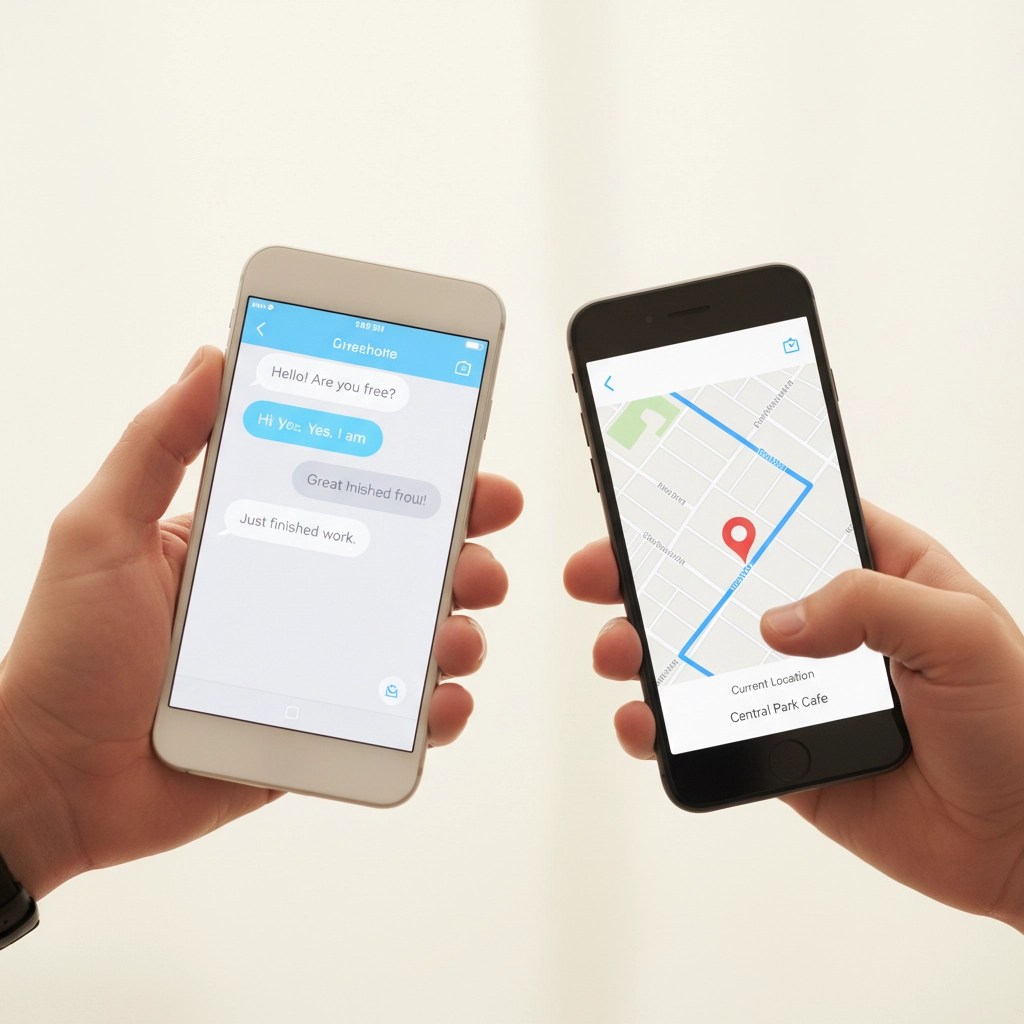
Patients and drivers should never be unable to reach each other. Advanced real-time tracking systems include integrated communication platforms that allow secure, HIPAA-compliant messaging between patients, drivers, and dispatch without revealing personal phone numbers.
The communication system handles the most common transportation challenges: What if the patient needs to change their pickup location? What if the driver can't find the building entrance? What if the appointment runs late and the return trip needs adjustment?
Through the platform, patients can send messages like "I'm in building B, not building A" or "My appointment is running 20 minutes late, please adjust pickup time." Drivers can respond with "Got it, heading to building B now" or "No problem, I'll circle back in 20 minutes."
This real-time communication eliminates the confusion and miscommunication that leads to missed pickups and failed appointments. Everyone stays connected and informed throughout the entire transportation experience.
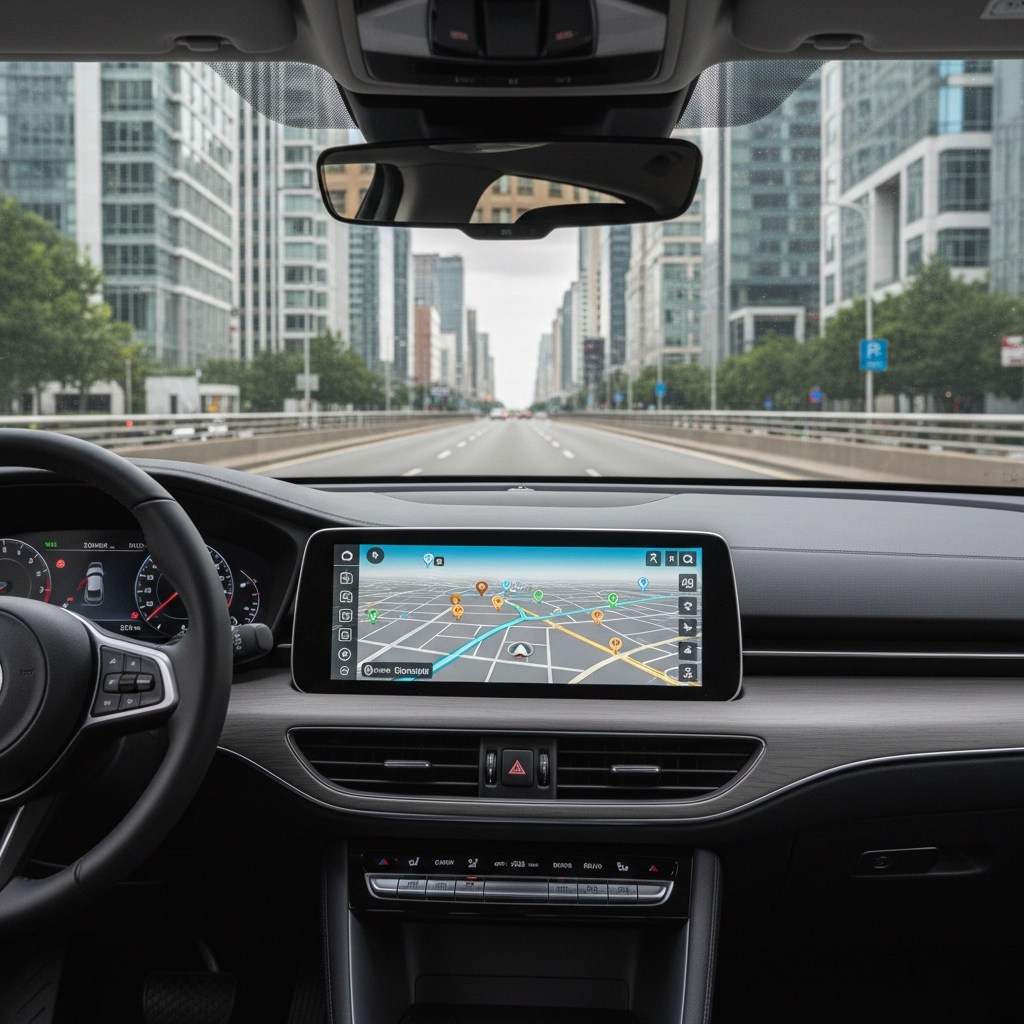
Feature #5: Predictive Analytics and Proactive Problem-Solving
Problems should be solved before they impact patients. Advanced tracking systems use machine learning and predictive analytics to identify potential issues: vehicle breakdowns, driver delays, weather impacts: and automatically deploy solutions before patients are affected.
The system analyzes patterns from thousands of rides to predict when problems might occur. If historical data shows that appointments at a particular medical facility typically run 15 minutes late on Tuesdays, the system automatically adjusts pickup times for return trips. If weather forecasts indicate potential delays, patients receive proactive notifications with adjusted pickup times.
For many patients, this proactive approach means never experiencing the stress of transportation failures. The system works behind the scenes to ensure reliable service, making adjustments and corrections before problems become appointment-threatening crises.
The analytics also identify systemic issues that can be addressed: Which routes consistently experience delays? Which appointment types typically run long? Which drivers need additional training or support? This continuous improvement ensures that service reliability gets better over time, not worse.
The Complete Real-Time Ecosystem
These five features work together to create a transportation experience that eliminates uncertainty and guarantees appointment attendance. When patients know exactly when their ride will arrive, can communicate directly with their driver, receive proactive updates about delays, and benefit from systems that learn and improve continuously, missed appointments become virtually impossible.
For healthcare providers, this means predictable schedules, reduced no-shows, and patients who arrive calm and prepared for their care. For patients, especially those managing serious health conditions or mobility challenges, it means reliable access to life-saving medical care without the stress and uncertainty of traditional transportation.
Real-time tracking isn't just about knowing where the vehicle is: it's about transforming medical transportation from a barrier into a bridge to better health outcomes.
The technology exists. The benefits are proven. The question isn't whether your patients need real-time tracking: it's whether you're ready to eliminate the transportation barriers that keep them from getting the care they deserve.
When every minute matters and every appointment counts, real-time tracking features don't just improve transportation: they save lives by ensuring critical care is never delayed, postponed, or missed due to transportation failures.