
Patient transportation isn't a comfort: it's a lifeline. When medical rides fail, patients miss critical appointments, treatments get delayed, and health outcomes suffer. The difference between traditional transportation and real-time tracking systems isn't just about convenience. It's about whether patients reach their dialysis appointments, chemotherapy sessions, and urgent specialist visits on time.
The statistics tell the story. Traditional medical transportation causes approximately 30% of patients to miss their appointments entirely. Each missed appointment costs physicians nearly $200 in lost revenue per unused time slot. For patients, the cost is far higher: delayed treatments, worsening conditions, and preventable complications.
The Problem with Old-School Medical Transportation
Traditional medical transportation operates like it's still 1995. Dispatchers juggle phone calls and sticky notes. Patients wait without knowing if their ride will show up. Drivers navigate without real-time traffic updates or emergency support.
This manual approach creates dangerous gaps in care delivery. When a driver encounters construction, traffic, or a vehicle breakdown, patients sit in waiting rooms wondering if they'll make their appointments. Healthcare facilities scramble to reschedule. Time-sensitive treatments get pushed back.

For many patients with chronic conditions, these delays aren't inconveniences: they're health emergencies. A missed dialysis appointment can lead to dangerous fluid buildup. Delayed chemotherapy disrupts treatment schedules that oncologists carefully planned. Postponed cardiac appointments can mean the difference between prevention and crisis.
The communication blackout makes everything worse. Patients call dispatch centers that can't provide real updates. Family members worry when rides run late. Healthcare providers lose valuable appointment slots they could have filled with other patients.
Traditional systems also struggle with compliance and safety documentation. Manual logs are prone to errors. Temperature-sensitive medication transport relies on basic coolers without monitoring. Driver behavior goes untracked until problems become accidents.
How Real-Time Tracking Systems Save Lives
Modern transportation platforms transform medical rides through continuous visibility and data-driven decision-making. GPS tracking, IoT sensors, and AI-powered routing create a safety net that traditional systems simply cannot match.
Immediate Emergency Response
Real-time systems spot problems instantly. When a vehicle carrying a patient with chest pain encounters an accident, dispatchers see the obstruction immediately. Alternative routes get calculated in seconds. Backup vehicles deploy automatically. The patient reaches the emergency department minutes faster: minutes that can determine survival.
Preventing Missed Appointments
Dynamic rerouting capabilities slash the 30% appointment miss rate that plagues traditional systems. Smart algorithms predict traffic delays before they happen. Dispatchers receive alerts the moment a pickup might run late. Alternative vehicles get deployed proactively, not reactively.
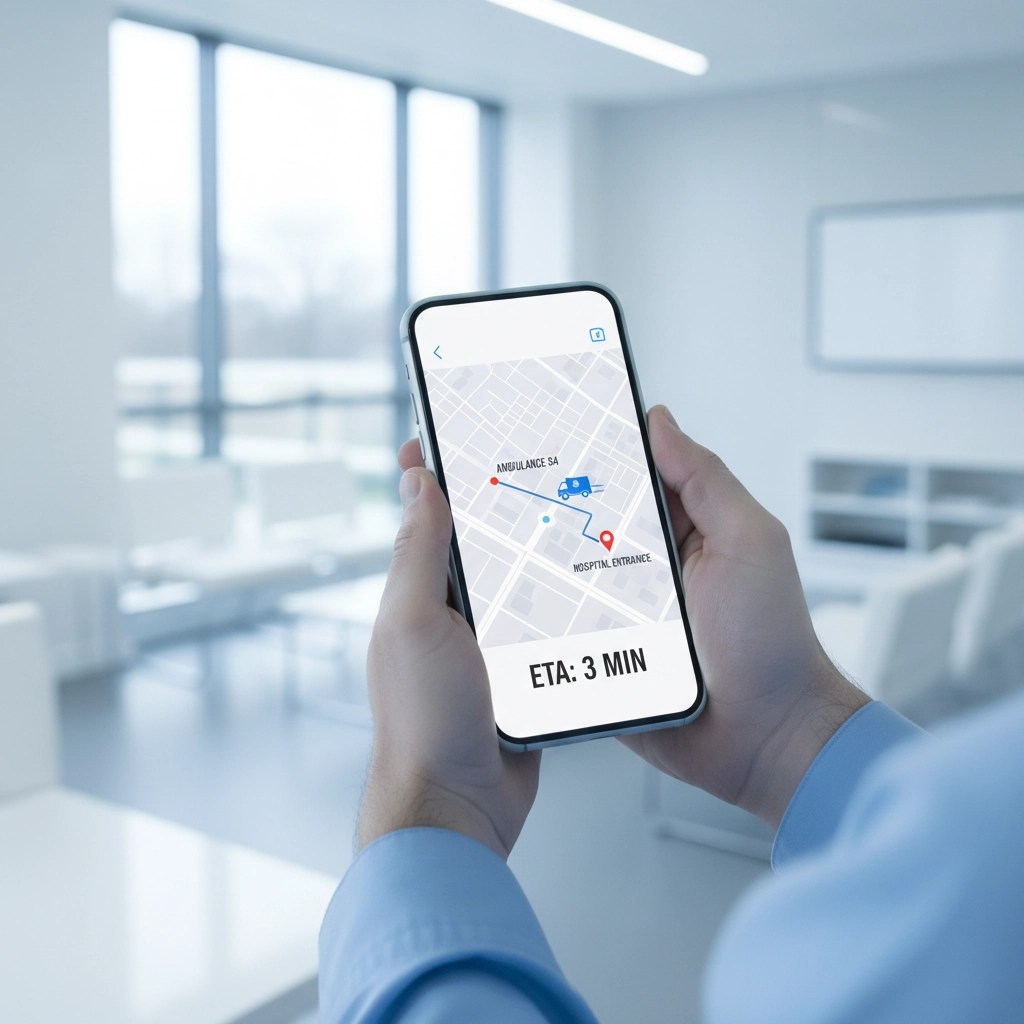
For many patients, this reliability means the difference between staying healthy and facing medical crises. Regular dialysis patients depend on precise scheduling. Cancer patients need consistent chemotherapy timing. Elderly patients with multiple appointments can't afford transportation uncertainty.
Enhanced Safety Monitoring
Continuous tracking monitors vehicle speeds, driver behavior, and passenger conditions throughout every trip. Automated alerts detect accidents, breakdowns, or dangerous route deviations. Dispatchers respond to emergencies within seconds, not hours.
This protection is especially critical for vulnerable patients. Wheelchair users, elderly passengers, and patients with cognitive challenges need transportation services they can trust completely. Real-time monitoring provides that assurance.
Medical Shipment Protection
Temperature-sensitive medications, blood samples, and biological specimens require precise environmental control. IoT-enabled sensors monitor conditions continuously, ensuring vaccines stay cold and test samples remain viable. Traditional manual checks can't provide this level of protection.
Predictive Problem-Solving
Advanced analytics identify potential issues before they become crises. The system learns traffic patterns and suggests route changes proactively. Maintenance alerts prevent vehicle breakdowns. Driver performance data helps prevent accidents before they happen.
The Numbers Don't Lie: A Direct Comparison
The measurable differences between traditional and modern transportation are striking:
Appointment Success Rates: Traditional systems see 30% of patients missing appointments. Real-time tracking systems dramatically reduce this through proactive rerouting and backup vehicle deployment.
Emergency Response: Traditional systems respond to delays in hours through manual phone calls. Real-time systems detect problems and initiate solutions within seconds.
Cost Efficiency: Modern NEMT services deliver 30-70% cost reductions compared to traditional approaches, saving an average of $268 per patient per year.
Patient Anxiety: Traditional systems leave patients guessing about arrival times. Real-time tracking provides accurate, updated ETAs that reduce stress and improve the overall care experience.

Safety Documentation: Manual logging systems are error-prone and incomplete. Automated tracking creates tamper-proof digital records that ensure regulatory compliance and protect against liability.
Driver Communication: Phone-based coordination is unreliable and slow. Real-time platforms enable instant, two-way communication between dispatchers, drivers, and patients.
The Technology That Makes the Difference
Real-time tracking systems integrate several critical technologies that traditional approaches simply cannot match:
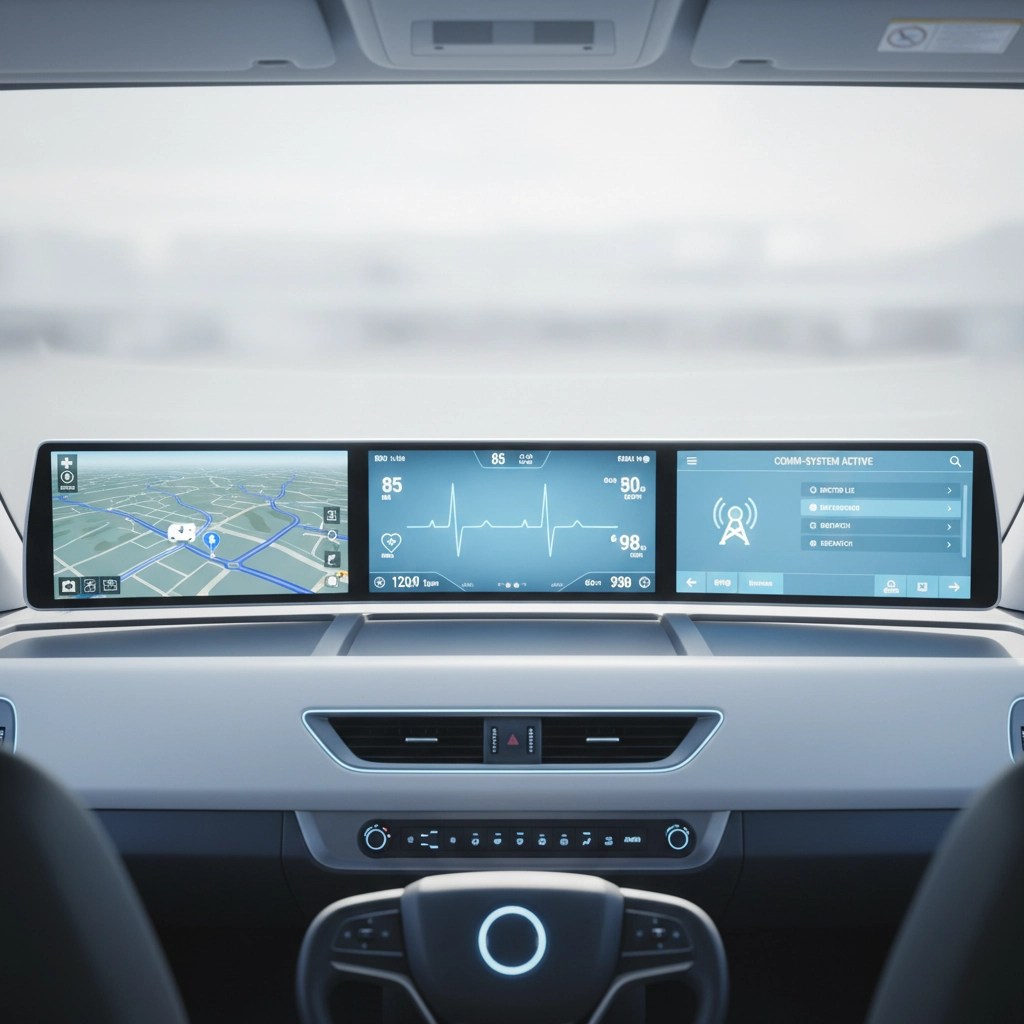
GPS technology provides exact vehicle locations updated every few seconds. Dispatchers know precisely where every vehicle is at all times. Patients receive accurate arrival estimates. Healthcare facilities can plan for patient arrivals.
IoT sensors monitor everything from vehicle temperatures to driver behavior. Automated alerts notify dispatchers of any issues immediately. Critical shipments stay within required conditions throughout transport.
AI-powered routing analyzes traffic patterns, weather conditions, and historical data to optimize every trip. The system learns and adapts, getting smarter with each completed ride.
Cloud-based platforms ensure all stakeholders: patients, families, drivers, and healthcare facilities: have access to real-time information through secure, HIPAA-compliant systems.
When Lives Are on the Line
The choice between traditional and real-time tracking isn't about technology preferences: it's about patient outcomes. Every delayed appointment represents a missed opportunity for care. Every communication breakdown creates anxiety and uncertainty. Every safety incident that could have been prevented is one too many.
Real-time tracking systems eliminate the guesswork that makes traditional transportation unreliable. Patients know when their rides will arrive. Drivers receive optimal routes automatically. Dispatchers can solve problems before they impact patient care.
For healthcare organizations evaluating transportation options, the question isn't whether they can afford to implement real-time tracking: it's whether they can afford not to. The 30-70% cost savings typically justify technology investments within 12-24 months. The improved patient outcomes and reduced liability risks provide benefits that extend far beyond financial considerations.
Making the Right Choice for Patient Care
Healthcare transportation should never be a source of stress or uncertainty for patients who are already facing medical challenges. Real-time tracking systems provide the reliability, safety, and communication that patients deserve.
Traditional systems might seem simpler on the surface, but their hidden costs: missed appointments, patient anxiety, safety risks, and compliance failures: make them far more expensive than modern alternatives.
For transportation providers serious about patient outcomes, real-time tracking isn't an optional upgrade: it's a fundamental requirement. The technology exists to eliminate most transportation-related barriers to healthcare access. The only question is whether providers will choose to implement it.
The evidence is clear: real-time tracking systems save lives by ensuring patients reach their appointments safely, on time, and with the peace of mind they deserve. In healthcare transportation, that reliability isn't just about customer service: it's about giving patients the best possible chance for positive health outcomes.
When patient health hangs in the balance, there's no acceptable alternative to the most reliable, responsive, and safe transportation available. That standard can only be met through real-time tracking technology that puts patient needs first, every single trip.