
Healthcare access isn't a comfort: it's a fundamental right. For rural and remote communities, getting quality medical care shouldn't require a four-hour drive or missing an entire day of work. The single most difficult barrier between patients and their healthcare providers isn't insurance coverage or appointment availability. It's getting there in the first place.
Most healthcare solutions focus on what happens inside the doctor's office. They ignore the biggest obstacle: the journey itself. For many patients living in remote areas, reliable transportation represents the difference between receiving life-saving care and watching their health deteriorate from home.
The simple trick that's transforming healthcare access combines two powerful tools working together: strategic use of telehealth services paired with dependable medical transportation for essential in-person visits. This dual approach eliminates the traditional "all-or-nothing" mentality that forces patients to choose between convenience and comprehensive care.
Why Remote Healthcare Access Fails Without Reliable Transportation
Rural residents face a harsh reality. The nearest specialist often practices 100+ miles away. Emergency rooms close overnight in small towns. Mental health providers serve counties larger than some entire states.
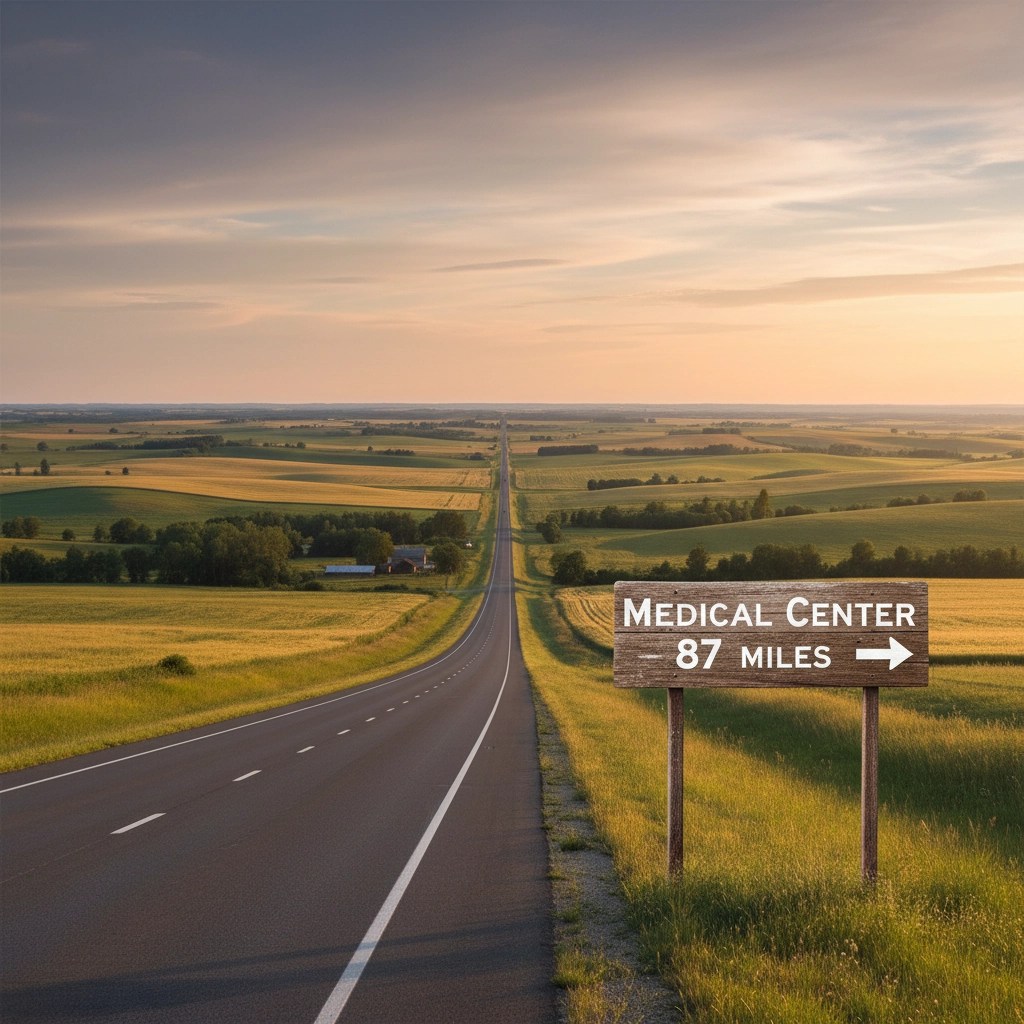
For many patients, transportation barriers create cascading health problems. Missed appointments lead to delayed diagnoses. Postponed follow-ups result in medication adjustments happening weeks too late. Preventive care gets pushed aside when every medical visit requires extensive planning and travel time.
The statistics tell a sobering story. Rural communities have 68 doctors per 100,000 people compared to 80 in urban areas. This shortage becomes exponentially worse when you factor in specialists, mental health providers, and advanced diagnostic facilities.
Transportation isn't just about getting from point A to point B. For many patients managing chronic conditions, medical appointments become logistical nightmares involving time off work, childcare arrangements, and vehicle reliability concerns. A single specialist visit can require an entire day's commitment, making regular care unsustainable for working families.
The Telehealth Revolution: Your First Line of Defense
Telehealth technology provides immediate relief for many healthcare needs. Video consultations, phone appointments, and remote monitoring eliminate geography as a barrier to basic medical care.
The scope of telehealth services continues expanding rapidly. Mental health therapy sessions, dermatology consultations, urgent care visits, and chronic disease management can all happen from your living room. Post-surgical follow-ups no longer require lengthy drives when your surgeon can evaluate healing progress through high-quality video calls.
For many patients, telehealth addresses 60-70% of their healthcare needs without requiring travel. Routine check-ins, medication adjustments, test result discussions, and specialist consultations often work perfectly through virtual platforms.
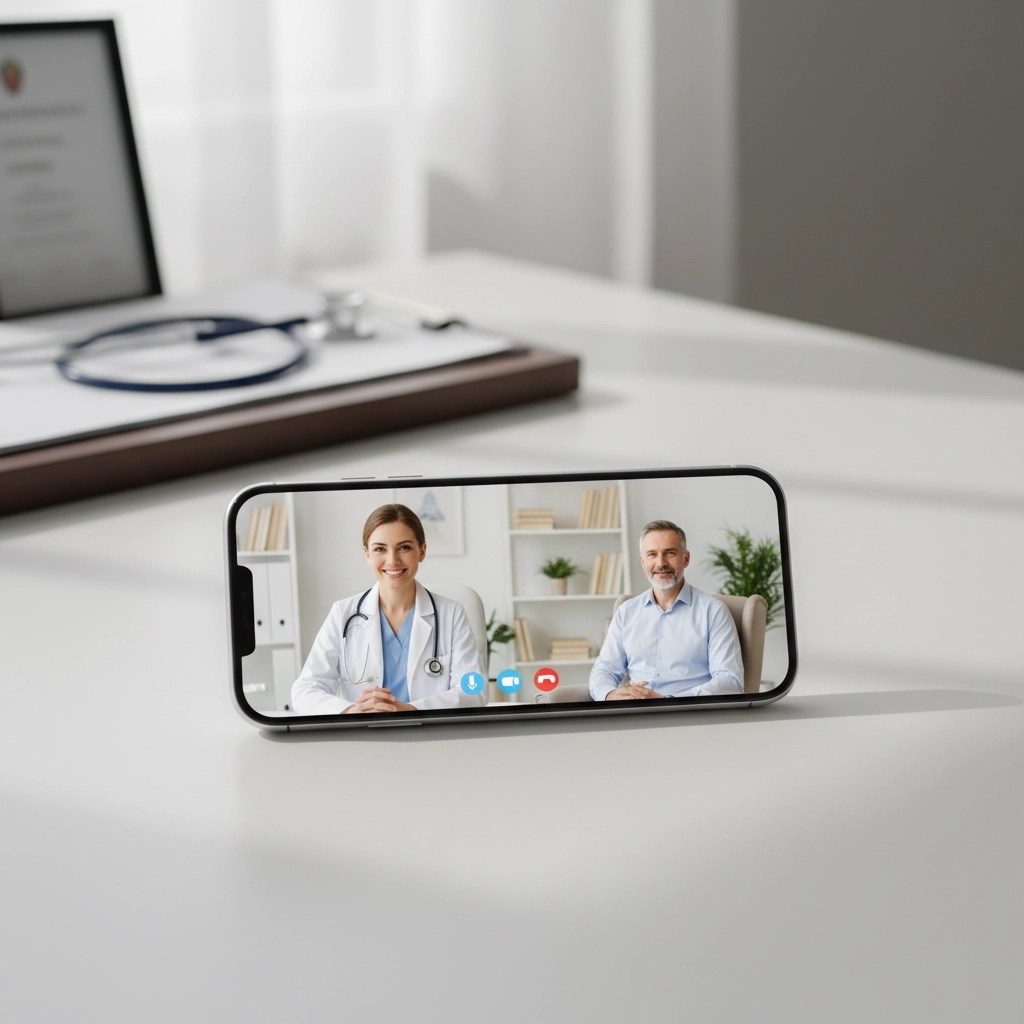
However, telehealth has clear limitations. Physical examinations, diagnostic testing, procedures, and emergency situations still require in-person visits. The key lies in using telehealth strategically to minimize unnecessary travel while ensuring you never miss critical in-person care.
Many rural libraries now offer private telehealth spaces with reliable internet connections. Insurance coverage for virtual visits has expanded significantly, making these services accessible to more patients than ever before.
When You Need Reliable Medical Transportation: Making Every Trip Count
Some healthcare situations demand your physical presence. Complex procedures, diagnostic imaging, surgical consultations, and specialized treatments cannot happen through a screen. For these essential visits, unreliable transportation becomes a serious health risk.
Missing a scheduled surgery due to transportation problems can push your procedure back weeks or months. Arriving late for time-sensitive treatments like chemotherapy can disrupt carefully planned protocols. Emergency situations require immediate, dependable transportation options.

The solution involves treating medical transportation as healthcare infrastructure, not an afterthought. Professional medical transport services understand the unique requirements of healthcare appointments. They plan for appointment timing, coordinate with medical facilities, and ensure patients arrive prepared and on time.
For many patients with mobility challenges, chronic conditions, or complex medical needs, professional medical transportation eliminates the stress and uncertainty of driving themselves or relying on family members who may not be available.
Swift Ryde specializes in medical transportation that treats every trip as a critical healthcare intervention. Our drivers understand medical appointment requirements, facility locations, and the importance of punctual arrival for optimal patient care.
Creating Your Integrated Healthcare Access Strategy
The most effective approach combines telehealth for routine care with reliable medical transportation for essential in-person visits. This strategy maximizes convenience while ensuring you never compromise on care quality.
Start by categorizing your healthcare needs. Routine follow-ups, medication management, and many specialist consultations work well through telehealth platforms. Schedule these virtual appointments to maintain consistent contact with your healthcare team without travel requirements.
Reserve in-person visits for situations requiring physical examination, diagnostic testing, procedures, or complex consultations where face-to-face interaction provides significant value. Plan these appointments strategically, clustering multiple appointments in single trips when possible.
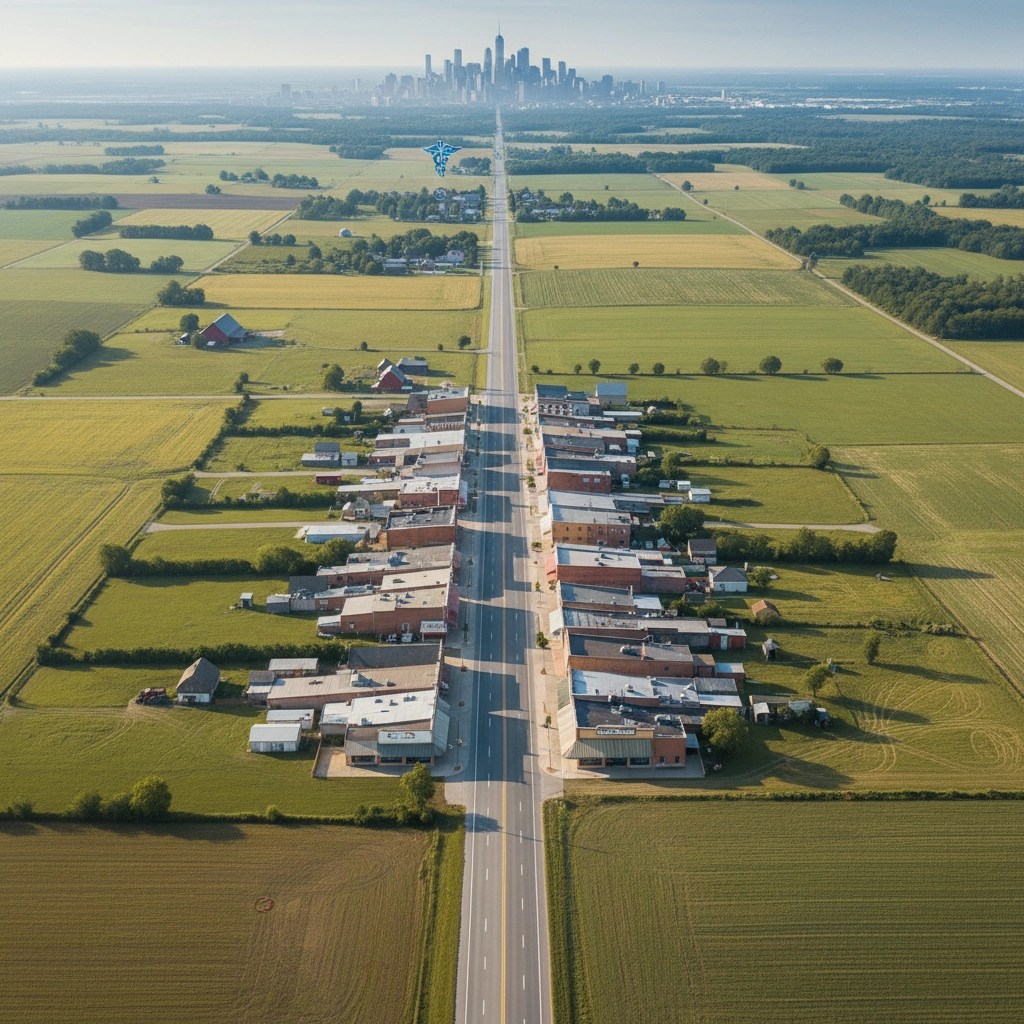
Professional medical transportation becomes essential for these critical in-person visits. The reliability, timing precision, and medical understanding that professional drivers provide often determines whether patients can maintain consistent specialized care.
For many patients managing multiple chronic conditions, this integrated approach reduces overall travel by 50-60% while improving healthcare consistency and outcomes. Telehealth maintains regular provider contact, while reliable transportation ensures essential in-person care never gets postponed or cancelled.
Implementation Steps That Work Right Now
Contact your current healthcare providers to determine which services they offer through telehealth platforms. Many physicians expanded virtual care options significantly and continue offering these services for appropriate situations.
Evaluate your internet connectivity for video appointments. If home internet proves unreliable, identify local libraries, community centers, or healthcare facilities offering telehealth access points with private consultation spaces.

For essential in-person appointments, establish relationships with reliable medical transportation providers before you need them. Emergency situations require immediate solutions, not lengthy research into available options.
Plan your specialized care strategically. Schedule multiple appointments with different providers in the same geographic area on consecutive days or within the same week when possible. This approach maximizes the value of each transportation arrangement.
Consider your specific medical needs when choosing between virtual and in-person appointments. Some conditions benefit from regular visual assessment, while others focus primarily on symptom discussion and medication management.
Making Healthcare Access Sustainable Long-Term
Sustainable healthcare access requires systems thinking, not individual appointment solutions. The combination of strategic telehealth use and reliable medical transportation creates a framework that adapts to changing health needs over time.
As telehealth technology continues advancing, more healthcare services will become available virtually. However, the need for dependable medical transportation for critical in-person care will remain constant. Building relationships with professional medical transport providers ensures this essential service remains available when your health depends on it.
For many patients, this integrated approach transforms healthcare from a logistical challenge into a manageable aspect of maintaining good health. The stress reduction alone provides significant health benefits, while the improved consistency of care leads to better long-term outcomes.
The simple trick isn't choosing between convenience and quality care. It's using the right tool for each healthcare situation while ensuring reliable access to both virtual and in-person medical services when your health requires them.
Ready to improve your healthcare access right now? Contact Swift Ryde to discuss reliable medical transportation options that ensure you never miss critical healthcare appointments due to transportation barriers.