
Healthcare doesn’t happen without a way to get there. It is that simple. For many patients, the ride to the clinic is just as critical as the appointment itself. If the transport fails, the treatment fails. Yet, too often, patients and caregivers treat medical transportation as an afterthought: a logistics box to be checked quickly rather than a core part of the care plan.
Reliability isn't a luxury; it is a necessity. When you are managing chronic conditions, recovery, or age-related mobility issues, a late ride or a no-show isn't just an inconvenience. It is a missed dose of dialysis, a postponed surgery, or a setback in physical therapy.
If you’ve been struggling with the logistics of getting to your appointments, you are likely making one of these seven common mistakes. Here is how to identify them and, more importantly, how to fix them so you never miss an appointment again.
1. Treating Medical Transport Like a Standard Rideshare
The single most dangerous mistake you can make is assuming that a standard rideshare app is a substitute for professional Non-Emergency Medical Transportation (NEMT). For many patients, the convenience of a phone app is tempting, but the reliability gap is massive.
A standard driver is not trained to handle a wheelchair, nor are they required to wait if your appointment runs long. They operate on a curb-to-curb model, meaning they leave you at the sidewalk. For someone with mobility challenges, that curb is a wall.
The Fix: Use a dedicated NEMT provider like Swift Ryde. Professional services offer door-to-door or even bed-to-bed assistance. We understand the nuances of medical transport vs. rideshare, ensuring you aren't just dropped off, but safely escorted to your check-in desk.
2. Accepting Vague Staffing and Accountability
You should never have to wonder who is behind the wheel. Many people book transport without asking about the driver’s qualifications or the company’s accountability standards. If a provider gives you vague answers about their staffing, that is a major red flag for reliability.
Reliability is built on the person in the driver's seat. Are they trained in CPR? Do they know how to properly secure a wheelchair? Do they understand the specific needs of a patient returning from a grueling chemotherapy session?
The Fix: Ask direct questions before you book. "Who will be in the vehicle, and what are they responsible for?" A reliable provider will tell you exactly how their drivers are vetted and trained. At Swift Ryde, we prioritize driver support to ensure our team is equipped to provide the highest level of care. You can learn more about our standards on our driver support page.
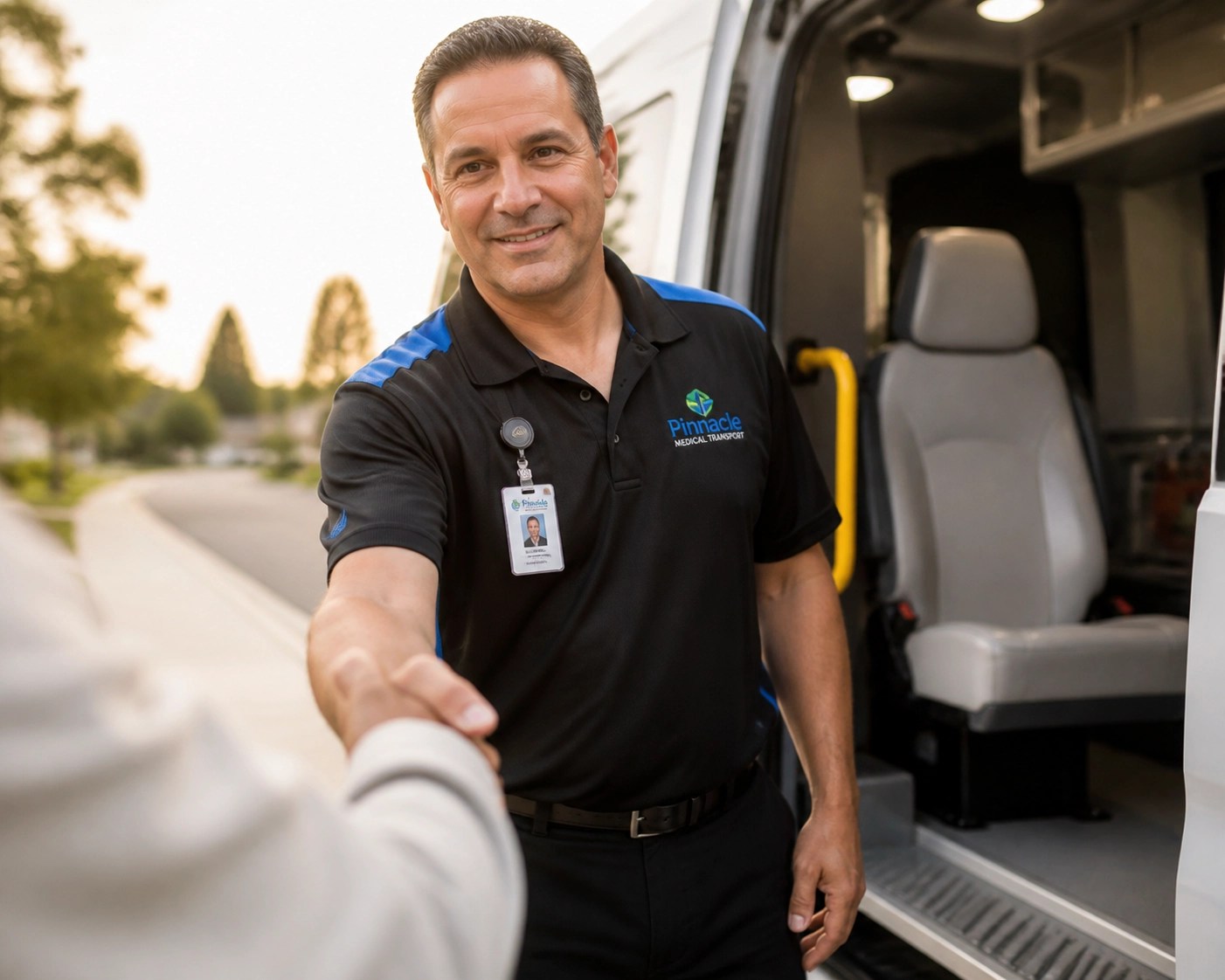
3. Failing to Plan for Rural Healthcare Barriers
For many patients living outside major city centers, distance is the enemy. Rural healthcare access matters deeply, yet many people wait until the last minute to book a ride for a long-distance trip. Standard transport services often have limited "zones," and if you fall outside them, you are left stranded.
Distance increases the variables. Traffic, road conditions, and vehicle wear-and-tear are amplified in rural settings. If your provider doesn't have a specific strategy for long-distance or rural routes, your reliability is at risk.
The Fix: Work with a provider that specifically addresses rural healthcare access. Book these rides well in advance and ensure the provider has a history of serving your specific area. Don't just ask if they can go there: ask how often they do go there.
4. Neglecting the "Preparation Phase" for Wheelchair Rides
Reliability isn't just about the driver showing up; it’s about the vehicle being ready for you. A common mistake is failing to communicate the exact specifications of a mobility device. If a driver arrives with a standard van but you have an oversized motorized wheelchair, the ride is over before it begins.
This lack of preparation leads to "failed starts," which are devastating for patients who have already spent hours getting ready for their day.
The Fix: Follow a strict protocol for preparing for a wheelchair-accessible ride. Provide the dimensions of your chair and your total weight (including the chair) at the time of booking. Ensure the provider confirms they have a vehicle with the correct ramp or lift capacity. Check out our services listing to see how we match the right vehicle to your specific needs.
5. Booking One-Off Rides for Recurring Appointments
If you have dialysis three times a week, booking a new ride every single time is a recipe for disaster. Manual booking increases the chance of human error, scheduling conflicts, and simple forgetfulness.
For many patients, the stress of "will they show up today?" is an unnecessary burden on top of their medical treatment. Recurring appointments require a recurring solution.
The Fix: Utilize recurring bookings. This is why recurring bookings change everything for dialysis. It moves your transport from a "to-do" list to an automated system. You get the same time slots, often the same drivers, and the peace of mind that your schedule is locked in. If you are a healthcare facility looking to manage this for multiple patients, our B2B solutions are designed specifically for this level of coordination.

6. Ignoring the Importance of Real-Time Communication
The "where is my ride?" anxiety is real. A mistake many caregivers make is choosing a provider that lacks a modern communication infrastructure. If you have to call a central dispatch and wait on hold for ten minutes just to find out where your driver is, that provider is not reliable.
Reliability requires transparency. You should know when the driver is en route, when they have arrived, and when the patient has been safely dropped off.
The Fix: Choose a provider that offers real-time updates and clear communication channels. At Swift Ryde, we believe in keeping everyone in the loop. We provide clear SMS terms of service and ensure that patients and caregivers are notified at every step of the journey. This level of communication removes the barrier to healthcare access by providing certainty.
7. Not Asking About the "Plan B" (Contingency Protocols)
What happens if a tire blows out? What happens if the primary driver gets sick? A reliable transport company isn't one that never has problems: it’s one that has a plan for when problems occur.
Many people make the mistake of assuming everything will go perfectly. When you are dealing with life-sustaining treatments, "hope" is not a strategy. You need to know that your provider has a backup plan to ensure you still make it to your appointment.
The Fix: Ask your provider about their contingency protocols. "What is your substitution scenario if there is a breakdown?" A reliable company will have a fleet that allows for quick swaps and a dispatch team trained to handle emergencies without canceling the patient's trip.

Building a Reliable Routine
Transportation should be the least stressful part of your healthcare journey. By avoiding these seven mistakes, you transition from being a passive passenger to an empowered advocate for your own care.
Reliability is a two-way street. It requires a professional provider committed to excellence and a patient or caregiver who knows exactly what to look for and what to demand.
If you are ready to experience a different level of medical transport: one where reliability is the baseline, not the exception: we are here to help. Whether you need a one-time door-to-door ride or a recurring schedule for long-term treatment, Swift Ryde is built to keep you moving.
Ready to book a ride that actually shows up?
Contact us today to discuss your needs, or explore our rider support for more information on how we prioritize your safety and punctuality. Your health is too important to leave to chance. Let's get you there, on time, every time.