
Missing a medical appointment should never be an option. For many patients, the single most difficult barrier to recovery isn't the treatment itself: it’s the ride there. Reliability isn't a comfort; it is a fundamental necessity. When a ride is late or fails to show up, the impact isn't just a scheduling inconvenience. It is a missed dialysis session, a delayed oncology treatment, or a setback in physical therapy.
At Swift Ryde, we see the stress that transportation barriers place on families every day. Often, these barriers are built by small, avoidable mistakes made during the booking process. If you’ve ever felt the panic of a ride not arriving on time, you know the stakes.
Here are the seven most common mistakes people make with medical transport reliability and exactly how to fix them.
1. Treating Medical Transport Like a Standard Rideshare
For many patients, the convenience of an app-based rideshare is tempting. However, standard rideshares are designed for social trips, not clinical ones. A driver in a personal sedan is not trained to assist a patient with mobility challenges, nor is their vehicle inspected for medical safety standards.
The Fix: Professional NEMT (Non-Emergency Medical Transportation) is the only reliable choice for healthcare. Unlike rideshare, Swift Ryde focuses on a human-centered approach that prioritizes dignity and safety. We don’t just drop you at the curb; we ensure you are safely inside your destination. When comparing Medical Transport vs. Rideshare, the difference is the level of accountability and specialized care.
2. Waiting Until the Last Minute to Book
For many patients, health needs are unpredictable. However, waiting until the morning of an appointment to secure transportation is the fastest way to encounter a "no-vehicle available" notification. This creates unnecessary urgency and risk.
The Fix: Use a Quick-Start Guide to Booking Medical Rides by the Hour. Booking in advance allows the dispatch team to route the most appropriate vehicle to your location. If you have an appointment that may run long, booking by the hour ensures your driver stays nearby, eliminating the stress of "will they come back to get me?"
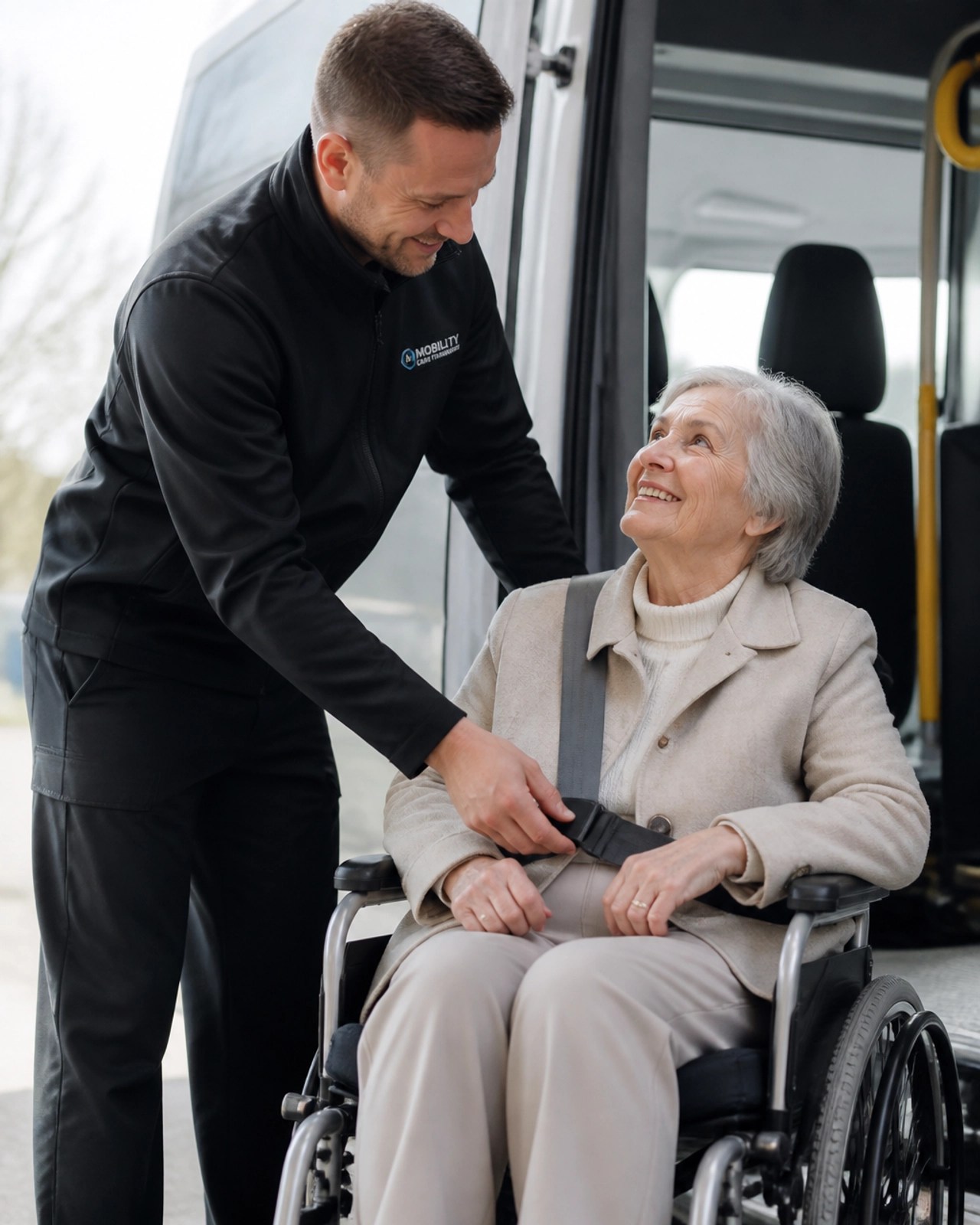
3. Ignoring the Specifics of Wheelchair Preparation
A common mistake is assuming that any large vehicle can accommodate any wheelchair. Without proper communication about the type of chair: manual, electric, or extra-wide: the vehicle that arrives may be incapable of safely securing the patient.
The Fix: Follow the 5 Steps to Prepare for a Wheelchair-Accessible Ride. Always provide the dimensions of the wheelchair and the weight of the patient at the time of booking. At Swift Ryde, our vehicles are equipped with professional-grade ramps and tie-down systems, but knowing your specific needs in advance is the key to a seamless transition from home to van.
4. Booking One-Off Rides for Recurring Treatments
If you or a loved one requires dialysis or regular infusions, booking each ride individually is an administrative nightmare. It increases the chance of a booking error and often leads to inconsistent drivers who don’t know the patient’s specific needs.
The Fix: Understand why Recurring Bookings Change Everything for dialysis appointments. By setting up a recurring schedule, you lock in your spot in the system. This ensures a consistent routine with familiar drivers who understand the patient’s fatigue levels and preferred routes, turning a stressful medical chore into a predictable habit.
5. Assuming "Remote" Means "No Access"
For many patients living outside major city centers, there is a belief that professional medical transport simply won’t travel to them. This leads many to rely on neighbors or aging vehicles that aren't up to the task of long-distance medical travel.
The Fix: Rural Healthcare Access Matters. Swift Ryde operates from bustling city centers to the most remote landscapes. We are specifically focused on removing transportation as a barrier, regardless of your zip code. If you are in a remote area, look for a provider with a comprehensive coverage map that doesn’t penalize you for your location.

6. Confusing Curb-to-Curb with Door-to-Door Service
Many transport providers offer "curb-to-curb" service, which means they expect the patient to be waiting at the sidewalk. For a patient with a walker or someone recovering from surgery, the walk from the front door to the curb can be the most dangerous part of the journey.
The Fix: Always confirm How to Book a Door-to-Door Medical Ride. True NEMT reliability starts at the patient’s actual door. Our drivers provide the physical support needed to navigate stairs, doorways, and hallways, ensuring the patient is never left alone in a vulnerable position.
7. Viewing Transportation as a "Nice-to-Have" Support
The biggest mistake is viewing transportation as a secondary detail rather than a core component of the treatment plan. When transportation is treated as an afterthought, the risk of "no-shows" and missed care increases exponentially.
The Fix: Focus on Removing the Barrier: Healthcare Access. When you prioritize reliable transport, you are investing in the medical outcome. A reliable ride means lower stress, better vitals upon arrival at the clinic, and a more effective recovery.
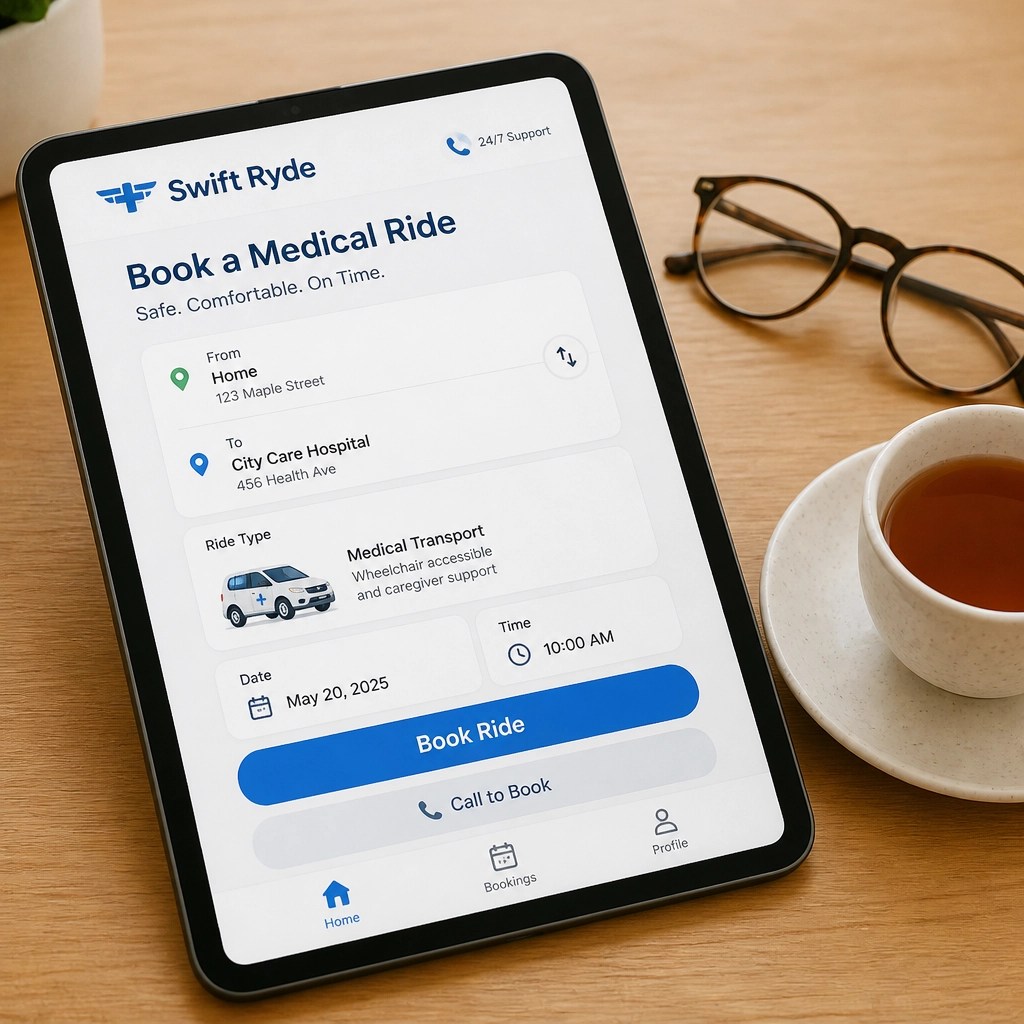
Reliability in medical transport isn't just about the vehicle: it’s about the system behind it. By avoiding these seven mistakes, you can ensure that the focus remains where it belongs: on health and healing.
Ready to experience a different kind of medical ride? Whether it’s for a one-time specialist visit or a recurring dialysis schedule, Swift Ryde is here to ensure you never miss a moment of critical care. Book your ride today and see how a human-centered approach changes the journey.