
Getting to your doctor shouldn’t be a source of stress. For many patients, transportation isn't a comfort or a luxury: it is a fundamental necessity. Yet, day after day, thousands of patients miss critical appointments because of small, avoidable errors in the booking process.
At Swift Ryde, we see these hurdles every day. Whether you’re managing a chronic condition, recovering from surgery, or helping a loved one get to dialysis, the logistics of non-emergency medical transportation (NEMT) can feel like a maze. But here is the truth: most booking failures aren't the result of bad luck; they are the result of bad systems.
The single most difficult barrier to healthcare isn't the treatment itself: it's the ten-mile gap between your front door and the clinic. If you’ve ever found yourself waiting on a curb for a ride that never showed up, or if you’ve been told your insurance won't cover a trip at the last minute, this guide is for you. Here are the seven biggest mistakes people make when booking medical rides and exactly how to fix them fast.
1. Missing the Medical Justification Paperwork
For many patients, the ride starts with paperwork, not a car. A common mistake is assuming that simply having Medicaid or insurance is enough to get a ride approved. In reality, most providers require a specific Medical Justification Form (like Form 2015) to be on file before they can even look at your request.
If this form is missing or outdated, your ride will be denied. It isn't a suggestion; it’s a requirement. This documentation proves why you need a specialized ride instead of taking a bus or driving yourself.
How to Fix It Fast:
Don't wait for the booking agent to tell you something is missing. Ask your doctor’s office to fax or upload an updated justification form directly to your transport provider or state agency. At Swift Ryde, we recommend checking your documentation status at least a week before your appointment.

2. Treating NEMT Like a Food Delivery App
We live in an on-demand world. You can get a burger or a standard rideshare in ten minutes. However, medical transportation is a different beast entirely. One of the most frequent mistakes is booking without sufficient advance notice. Waiting until the morning of your appointment: or even the day before: leaves zero room for processing or correcting errors.
For many patients, the ride isn't just a car; it’s a vehicle with specific equipment and a driver trained in patient care. These resources are scheduled days in advance.
How to Fix It Fast:
The "48-hour rule" is the absolute minimum, but the gold standard is booking at least 3 to 5 business days in advance. If you have a recurring appointment, like for dialysis or physical therapy, book those weeks in advance. You can manage your schedule easily through our My Bookings page to keep everything organized.
3. The "Address Guessing" Game
It sounds simple, but you’d be surprised how often a ride fails because of a typo. Even a single digit off in a ZIP code or a misspelled street name can cause an automated system to flag and deny a trip. Furthermore, hospitals and large medical campuses often have multiple entrances. If you just put in the general hospital address, your driver might be at the ER entrance while you’re waiting at the North Specialty Clinic.
How to Fix It Fast:
Verify the exact pickup and drop-off locations. Check your doctor’s latest move. If they recently relocated their office and you haven't updated the address in your transport profile, the ride will be sent to the wrong place. Always include the suite number and the specific building name. When in doubt, visit our services page to see how we categorize locations for better accuracy.
4. Underestimating Mobility Needs
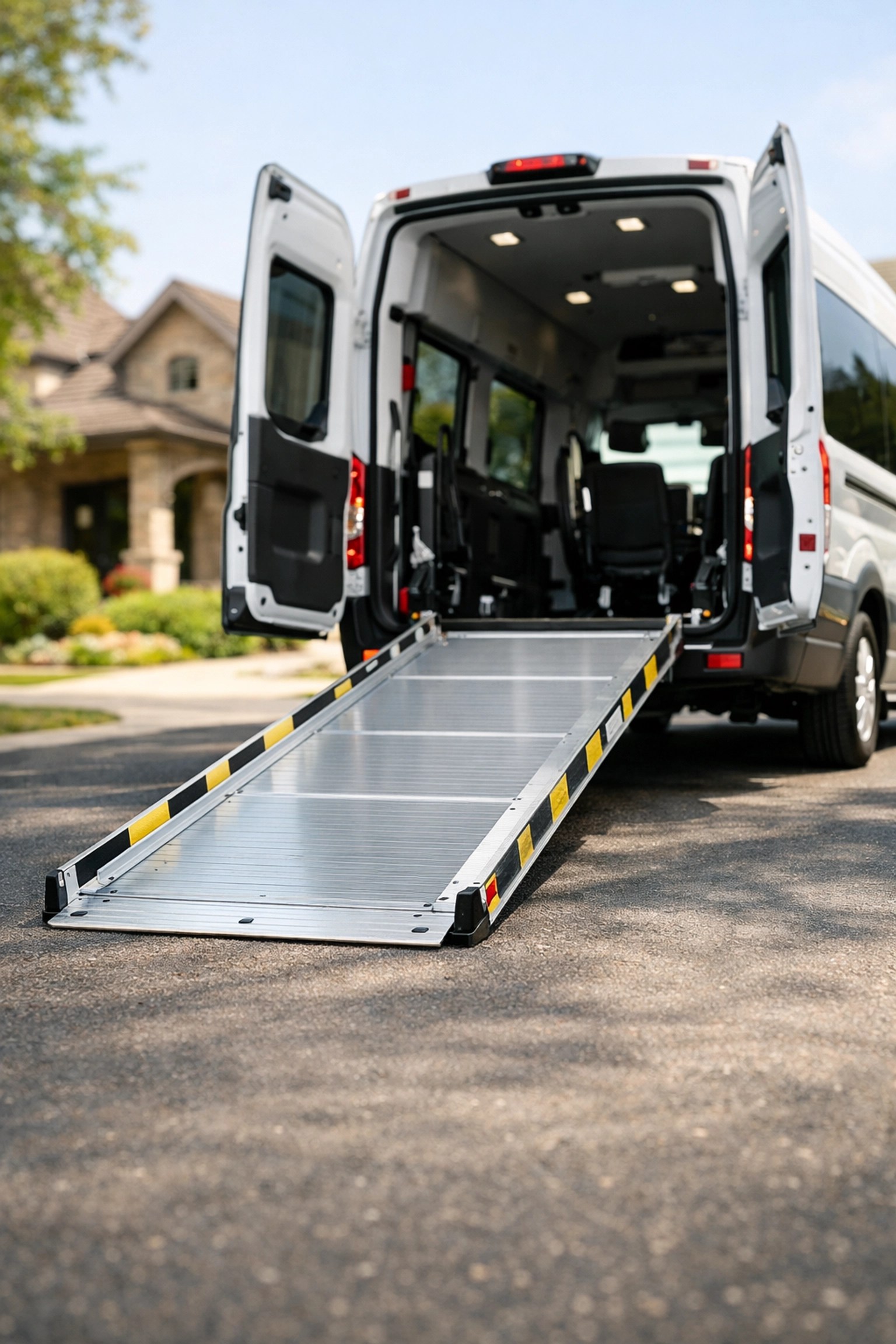
A standard sedan is fine for many, but it isn't a solution for someone who uses a motorized wheelchair or needs a stretcher. Failing to share complete medical and mobility information is a recipe for a "dry run": where the driver arrives but cannot physically complete the transport because they have the wrong vehicle.
For many patients, mobility isn't static. Maybe today you can walk with a cane, but next week after surgery, you’ll need a wheelchair.
How to Fix It Fast:
Be explicit. When you book an appointment, state whether the wheelchair is manual or electric, its width, and if you have a ramp at your home. If you need door-to-door service rather than curb-to-curb, you must specify that upfront. Providing your full mobility history ensures we send the right vehicle every single time.
5. The Rural Healthcare Access Blindspot
If you live in a rural area, the logistics of healthcare change. Distances are longer, and the density of available drivers is lower. The mistake many make is assuming that a ride in a rural county takes the same amount of effort to book as one in a city. Rural healthcare access matters, and it requires a more proactive approach.
Long-distance trips often require "Prior Authorization" if they cross county lines or exceed a certain mileage limit. If you don't have this approval, your insurance might stick you with the bill.
How to Fix It Fast:
For rural trips, double your lead time. Ask your doctor to submit a prior authorization for "out-of-area" travel at the same time they schedule your appointment. We specialize in bridge-the-gap services for rural areas; check out our B2B solutions if you are a facility manager trying to solve this for your patients.
6. Overlooking Recurring Bookings for Dialysis
Dialysis is life-sustaining. It isn't a one-off event; it’s a grueling, three-times-a-week commitment. The biggest mistake patients and caregivers make is booking each dialysis ride individually. This creates a mountain of administrative work and increases the chance that one of those rides will fall through the cracks.
Recurring bookings change everything. They move the patient from a "request" status to a "standing order" status.
How to Fix It Fast:
Set it and forget it. Request a standing authorization for your dialysis transport. This ensures your slot is reserved on the driver's manifest indefinitely. Reliability is the goal here. By automating the schedule, you remove the weekly stress of wondering if the car is coming.
7. Not Closing the Communication Loop
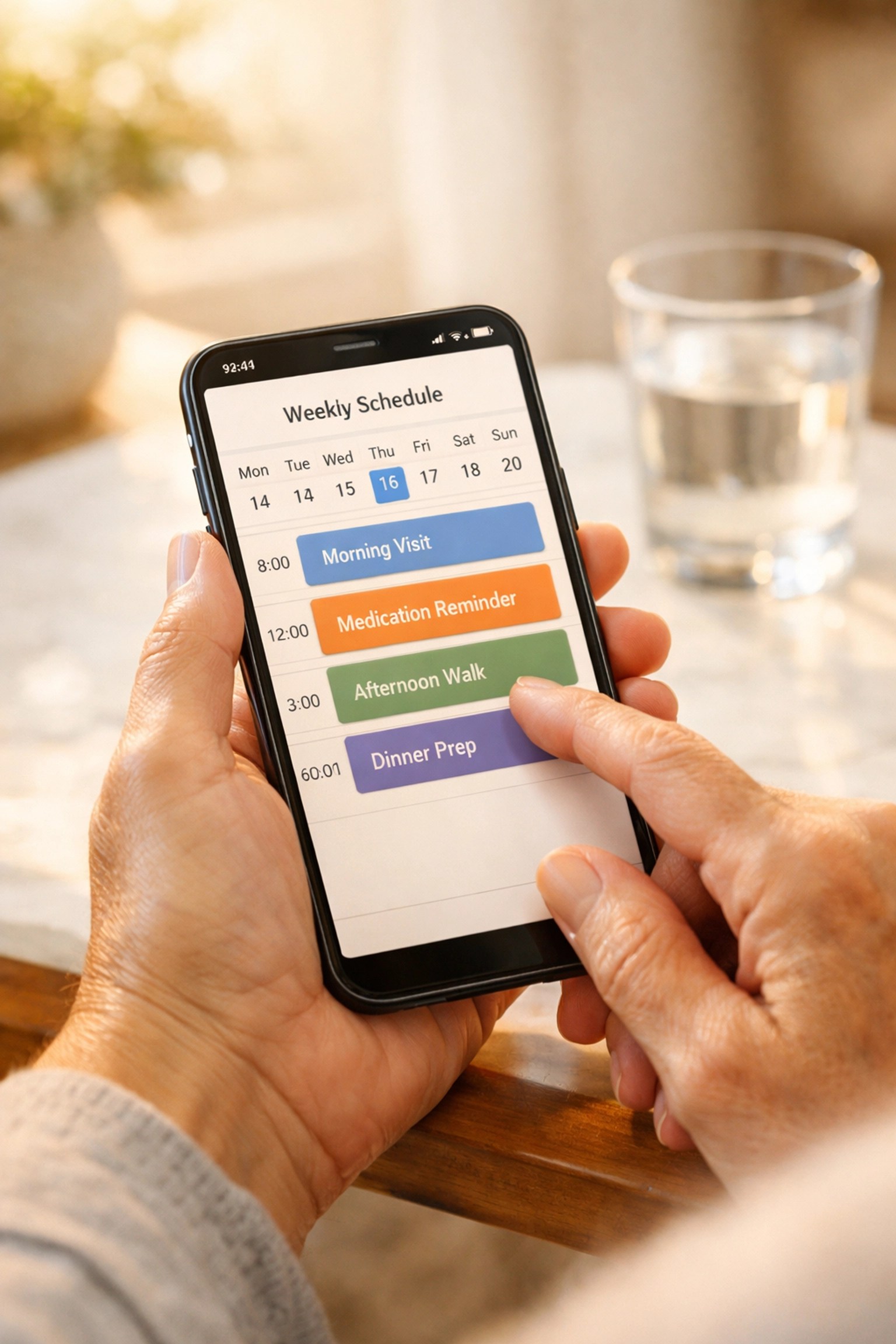
The final mistake is "radio silence." Patients often book a ride and then hope for the best. But life happens: appointments get moved, doctors run late, or the patient feels too unwell to travel. Failing to communicate these changes or failing to confirm the ride 24 hours in advance leads to wasted resources and missed care.
Communication isn't just about the pickup; it’s about the return trip too. If you’re finished early at the doctor, do you know who to call?
How to Fix It Fast:
Always confirm your reservation 24 to 48 hours before the pickup. At Swift Ryde, we prioritize keeping you in the loop. You can find help and quick answers through our Rider Support portal. If your appointment is running over, call your provider immediately so they can adjust the driver’s schedule.
Why Quality Transport Trumps "Just a Ride"
It is tempting to think that any car will do. You might think, "Why not just call a standard rideshare?" But standard rideshare drivers aren't trained in NEMT protocols. They don't understand the nuance of wheelchair securement or the patience required for a door-to-door transfer.
Medical transport isn't just a ride; it is a clinical extension of your healthcare team. When you book with a professional service like Swift Ryde, you are investing in reliability. You are ensuring that the barrier of transportation is removed so you can focus on what actually matters: your health.
If you’ve been making these mistakes, don’t worry: they are easy to fix. Start by being proactive, being detailed, and being early.
Ready to experience a more reliable way to get to your appointments? Whether it’s a one-time specialist visit or a recurring dialysis schedule, we’ve got your back. Contact us today or visit our Home Page to see how we’re changing the way people get to care.

Quick Checklist for Your Next Booking:
- Is my Medical Justification Form (2015) up to date?
- Did I provide the exact suite number and building entrance?
- Is the ride booked at least 3 days in advance?
- Have I specified my wheelchair type or need for door-to-door assistance?
- Did I confirm the ride 24 hours before the appointment?
By avoiding these seven common pitfalls, you’re not just booking a ride: you’re securing your access to healthcare. Let’s get you there, safely and on time.