
Living in a rural area should never mean settling for second-rate healthcare. Your zip code shouldn't determine your life expectancy, yet for millions of Americans, it does. In the rural heartlands, healthcare access isn't just a minor inconvenience; it’s a systemic failure.
At Swift Ryde, we see the reality on the ground every day. We see patients who skip life-saving treatments because they can't find a ride, and caregivers who are burnt out from driving three hours for a twenty-minute appointment. The truth is, rural healthcare access is broken, and transportation is the single most difficult barrier standing in the way of a fix.
Here are the 10 hard truths about why rural healthcare access isn't working: and how we can bridge that gap together.
1. The Growing "Doctor Desert"
The math simply doesn’t add up. While nearly 25% of Americans live in rural areas, only about 10% of physicians practice there. This isn't just a shortage; it's a desert. For many patients, finding a primary care physician within a thirty-mile radius is like finding a needle in a haystack. When the nearest doctor is overworked and miles away, routine care gets pushed to the back burner until it becomes an emergency.
2. Distance Is a Physical Barrier to Entry
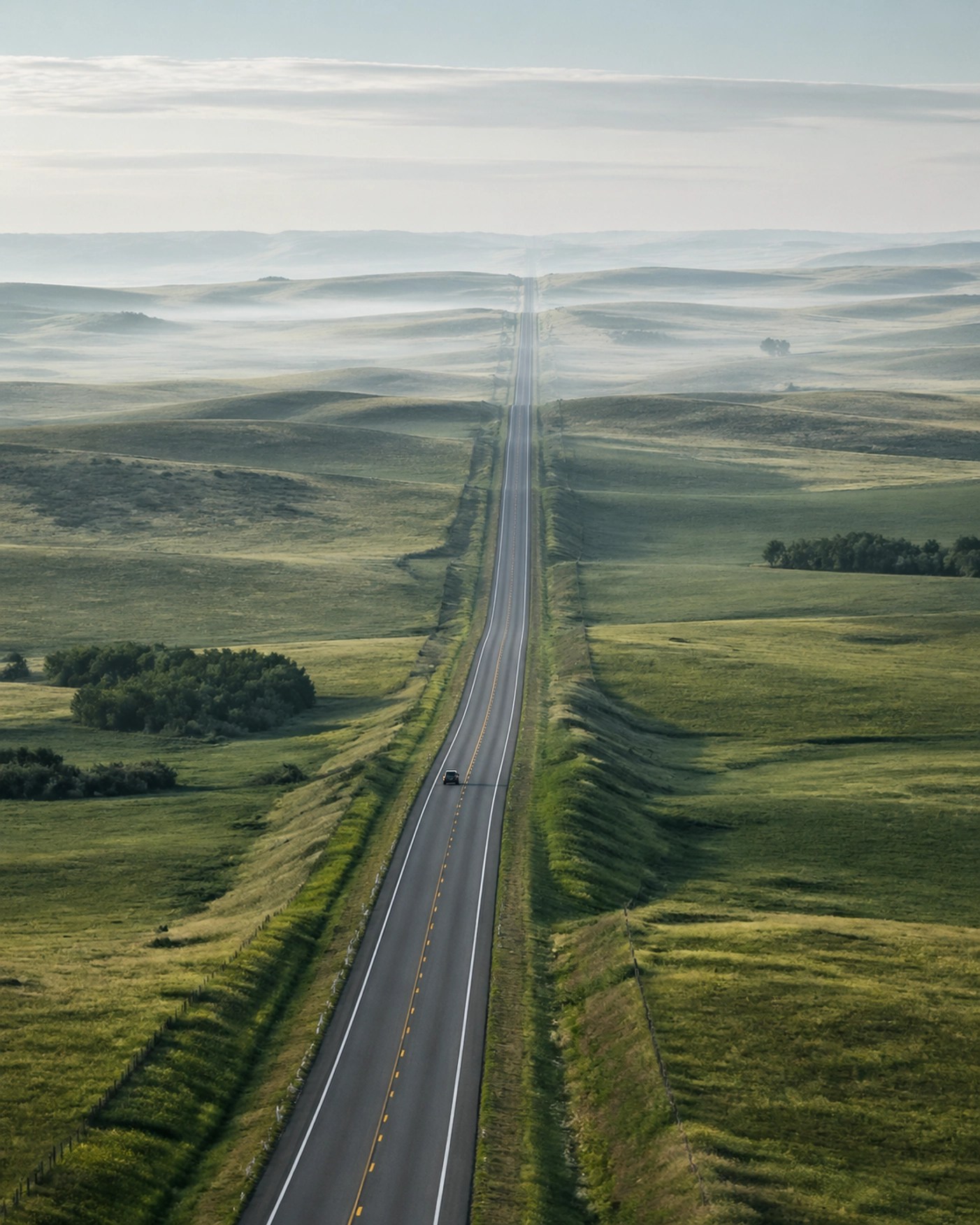
In a city, a trip to the doctor is a subway ride or a ten-minute drive. In rural America, that same appointment requires a full tank of gas and a two-hour commitment: each way. For many patients, traveling long distances isn't just a "drive": it's an exhausting mission. When you’re dealing with chronic pain or the fatigue of chemotherapy, a 60-mile trek is more daunting than the medical procedure itself.
3. Public Transit is Virtually Non-Existent
Let’s be honest: the bus doesn’t run in the country. Public transportation infrastructure is built for density, leaving rural residents entirely dependent on personal vehicles. If your car breaks down or you can no longer drive due to age or illness, you are effectively stranded. For many patients, the lack of a bus route or a reliable train means the healthcare system is effectively closed to them.
4. The Financial Toll of "Free" Appointments
Even if your insurance covers the doctor’s visit, the trip itself isn't free. Between the cost of fuel, vehicle maintenance, and the lost wages from taking an entire day off work, a "routine" checkup can cost a rural family hundreds of dollars. For many patients, choosing between a medical appointment and putting food on the table isn't a hypothetical: it's a monthly reality.
5. Rural Hospital Closures are Accelerating
Since 2005, nearly 200 rural hospitals have closed their doors, and hundreds more are on the brink of financial collapse. When a local hospital closes, the entire community loses its anchor. Emergency rooms disappear, and specialty clinics follow suit. This leaves residents in a "healthcare void" where the closest help is often an hour away in a neighboring county.
6. The Scarcity of Specialty Care
If finding a general practitioner is hard, finding a specialist is nearly impossible. For many patients requiring dialysis, oncology, or specialized pediatric care, the travel requirements are even more grueling. These aren't one-time trips; they are recurring, high-stakes appointments. Without specialized transportation services, these patients often experience rapid health declines simply because the logistics of care are too heavy to carry alone.
7. Technology Gaps Hinder Telehealth
Telehealth was supposed to be the great equalizer, but it requires a foundation that many rural areas lack: high-speed internet. You can’t have a video consultation if your connection drops every two minutes. For many patients, the digital divide means that even "virtual" care remains out of reach, forcing them back onto the road for physical appointments that could have been handled from home.
8. The Burden on Family and Caregivers
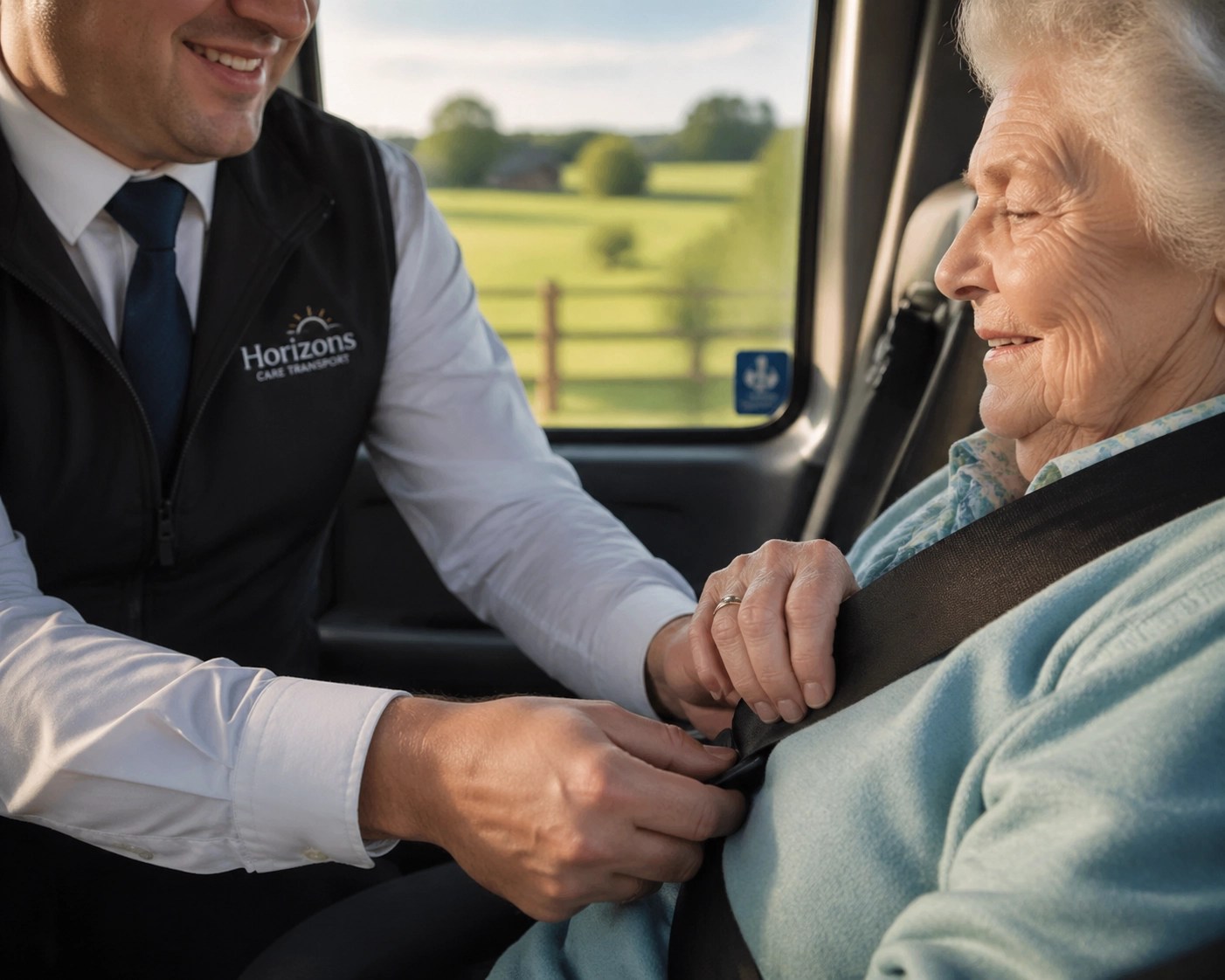
For many patients, "transportation" means relying on a daughter, a neighbor, or a spouse. While these caregivers are heroes, the burden is unsustainable. Constant trips to the city for treatments lead to "caregiver burnout," straining family relationships and causing financial stress for the entire support network. Healthcare should be supported by a professional system, not just the goodwill of exhausted family members.
9. Low Reimbursement Rates
It’s a systemic issue that trickles down to the patient. Rural providers often face lower reimbursement rates from insurance companies compared to their urban counterparts. This makes it incredibly difficult for rural clinics to stay afloat or invest in modern equipment. When the system doesn't value rural care financially, the quality and accessibility of that care inevitably suffer.
10. Social Stigma and Lack of Privacy
In small towns, everyone knows everyone. For many patients, the fear of their car being seen at a mental health clinic or a substance abuse center is a real barrier to seeking help. This lack of anonymity can lead to delayed treatment for sensitive issues. Reliability and discretion in transportation are not just comforts; they are essential for ensuring patients feel safe enough to seek the care they need.
How to Fix the Transportation Gap
Knowing the problems is only half the battle. The real question is: How do we fix it? At Swift Ryde, we believe transportation is the missing link in the rural healthcare chain. It isn't a "nice-to-have" luxury; it is a fundamental necessity.
Bridging the Gap with NEMT
Non-Emergency Medical Transportation (NEMT) is the bridge that connects rural patients to the care they deserve. By providing reliable, door-to-door service, we remove the "distance barrier" entirely.
- Reliability Over Everything: When you book a ride, you need to know it’s showing up. We prioritize punctuality because we know a missed ride means a missed treatment.
- Specialized Vehicles: For many patients, a standard car isn't enough. We provide wheelchair-accessible rides and vehicles equipped for patients with mobility challenges.
- Recurring Bookings: For treatments like dialysis or physical therapy, the logistics shouldn't be a weekly stressor. We offer recurring booking options that allow patients to set their schedule once and never worry about it again.
The Swift Ryde Commitment
We aren't just a ride-sharing service; we are a dedicated healthcare partner. We understand the unique challenges of rural living because we live and work in these communities. Our goal is to ensure that no patient ever has to say "I can't go" because they don't have a way to get there.
For many patients, the solution is as simple as having a professional, empathetic driver show up at their door. We handle the navigation, the gas, and the timing, so the patient can focus on what actually matters: their health.
Conclusion: Taking the First Step
The rural healthcare crisis is complex, but the transportation piece of the puzzle is solvable. We should never accept that distance is a valid reason for poor health outcomes. Whether you are a patient, a caregiver, or a healthcare provider, it’s time to rethink how we get people to the care they need.
If you’re struggling with the logistics of rural healthcare, don’t wait for the system to change: take control of your own access. At Swift Ryde, we’re ready to help you close the gap.
Ready to secure your next medical ride? Contact us today to learn how we can help you or your loved ones get to appointments safely and reliably.
For more information on how we support our community, visit our Rider Support page or check out our blog for more tips on navigating medical transportation.
Your health is worth the trip. Let's make sure you get there.